Sheet Mulching: A Superior Cardboard Alternative Discovered
By The Permaculture Consultant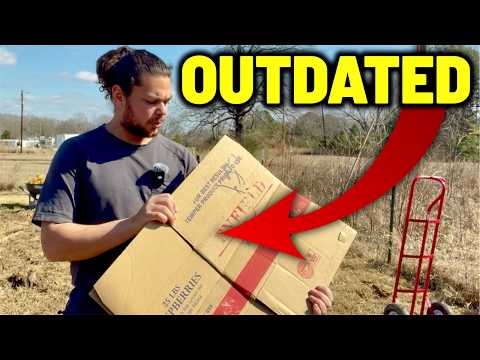
TL;DR: Burlap offers an environmentally friendlier and more effective alternative to cardboard for sheet mulching, promoting better soil health.
- Burlap improves soil aeration and water penetration.
- Avoid cardboard with glues, dyes, and synthetic additives.
- Burlap decomposes faster than many cardboard types.
- Traditional cardboard can restrict soil organism movement.
- Choose burlap for a more natural soil amendment.
Why it matters: Choosing the right sheet mulch material significantly impacts soil health, water retention, and the success of no-dig gardening, directly influencing plant growth and ecosystem resilience.
Do this next: Consider using burlap in your next sheet mulching project instead of cardboard, especially if you prioritize organic soil practices.
Recommended for: Gardeners, permaculturists, and organic growers looking for improved, eco-friendly sheet mulching methods.
Sheet mulching is a widely recognized permaculture technique for preparing garden beds, suppressing weeds, and improving soil health. Traditionally, cardboard has been a popular material for the base layer of sheet mulch due to its availability and biodegradability. However, some gardeners have encountered drawbacks with cardboard, leading them to seek alternative materials.
One significant issue with cardboard is its varying quality and composition. Many types of cardboard contain glues, dyes, and other additives that some permaculturists prefer to avoid introducing into their soil, especially in organic gardening systems. While plain, unprinted cardboard is generally considered safe, it can be challenging to source in large quantities without any questionable components. The ink on printed cardboard, even if soy-based, can still be a concern for those aiming for the purest soil environment. Furthermore, the process of breaking down cardboard can be slow, particularly if it's thick or heavily waxed, potentially delaying the planting schedule. Cardboard can also create a temporary barrier that restricts the movement of beneficial soil organisms and the penetration of water and air, at least until it begins to decompose sufficiently.
An alternative material that has gained attention for sheet mulching is burlap. Burlap, typically made from jute fibers, offers several advantages over cardboard. Unlike many cardboard products, burlap is generally free from synthetic glues, dyes, and other chemical treatments, making it a more natural and environmentally friendly option for soil amendment. Its woven structure allows for excellent air and water penetration, which is crucial for healthy soil microbial activity and plant root development. This porosity means that water can easily reach the soil below, and oxygen can circulate, preventing anaerobic conditions that can arise under dense, impermeable layers.
Burlap also decomposes at a rate that is often more favorable for garden bed preparation. It breaks down relatively quickly, integrating into the soil and contributing organic matter without creating a long-lasting barrier. This faster decomposition allows for earlier planting and more rapid establishment of new garden beds. The fibrous nature of burlap also provides a good substrate for soil microorganisms as it breaks down, further enriching the soil's biological activity.
When using burlap for sheet mulching, the application process is similar to that of cardboard. A layer of burlap is laid directly onto the area to be mulched, overlapping the edges to prevent weeds from growing through the gaps. This layer is then covered with other organic materials such as compost, wood chips, leaves, or straw. The burlap acts as a weed barrier, suppressing existing vegetation by blocking sunlight, while simultaneously allowing the soil to breathe and absorb moisture.
While burlap may not be as readily available or as inexpensive as discarded cardboard boxes for some individuals, its benefits in terms of soil health, decomposition rate, and lack of chemical additives make it a compelling alternative for those prioritizing the purity and vitality of their garden soil. Sourcing burlap can involve purchasing rolls from garden supply stores, fabric stores, or even repurposing old burlap sacks. The investment in burlap can be seen as a long-term benefit to the garden's ecosystem, fostering a healthier and more productive growing environment. This shift in material choice reflects a deeper understanding of soil biology and a commitment to minimizing synthetic inputs in permaculture practices.