Kerio Valley Organic Pawpaw Farm Thrives in Arid Kenya
By Self Sufficient Africa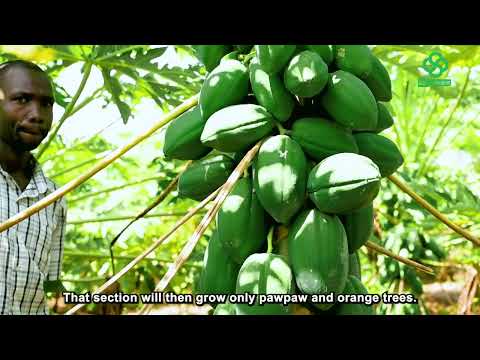
TL;DR: Organic pawpaw farming in Kenya's Kerio Valley offers a sustainable and profitable agricultural model for arid regions.
- Arid lands can be productive with suitable crop and methods.
- Organic practices enhance soil and manage pests naturally.
- Water conservation is key in dryland farming.
- On-site seedling propagation is cost-effective.
- Pawpaws offer good market returns and demand.
Why it matters: This case study demonstrates that permaculture principles can transform challenging environments into thriving agricultural enterprises, fostering food security and economic growth.
Do this next: Research drought-tolerant crops suitable for your local climate and market.
Recommended for: Farmers, permaculture enthusiasts, and community developers interested in arid land agriculture and sustainable food systems.
The Kerio Valley in Kenya, a region often associated with arid conditions and food insecurity, is home to a successful organic pawpaw farm that demonstrates the potential for sustainable agriculture in challenging environments. This particular farm, established by a local farmer, has transformed a previously underutilized plot of land into a productive and profitable enterprise, providing a model for others in the community.
The farmer's journey began with a vision to cultivate a crop that could thrive in the valley's specific climate and soil conditions, while also offering a good market return. After careful consideration and research, pawpaws were identified as an ideal choice due to their adaptability, relatively low water requirements once established, and consistent demand. The decision to pursue organic farming practices was a deliberate one, driven by a commitment to environmental stewardship and the desire to produce healthy, chemical-free fruit. This approach involved enriching the soil naturally, managing pests through biological methods, and utilizing local resources effectively.
The initial stages of the farm's development involved significant effort in preparing the land. This included clearing the area, improving soil structure through the incorporation of organic matter such as compost and animal manure, and establishing an efficient irrigation system. Given the valley's dry spells, water management was a critical aspect of the farm's design. The farmer implemented techniques to conserve water, such as mulching around the trees to reduce evaporation and strategically placing irrigation lines to ensure water reached the root systems directly.
Seedling propagation was another crucial step. The farmer opted to raise pawpaw seedlings on-site, allowing for greater control over the quality and health of the young plants. This also proved to be a cost-effective strategy compared to purchasing seedlings from external sources. Once the seedlings were robust enough, they were carefully transplanted into the prepared fields, with adequate spacing to allow for optimal growth and air circulation.
As the pawpaw trees matured, the farmer focused on implementing organic pest and disease management strategies. Instead of relying on synthetic pesticides, natural solutions were employed. This included using neem oil extracts, introducing beneficial insects, and practicing good farm hygiene to prevent the spread of pathogens. Regular monitoring of the plants allowed for early detection of any issues, enabling timely and effective interventions.
The farm's success is not solely attributed to the cultivation techniques but also to effective post-harvest management and market access. The farmer established reliable channels for selling the pawpaws, ensuring that the fresh produce reached consumers efficiently. This involved building relationships with local vendors, markets, and potentially even exploring opportunities for value addition, such as processing pawpaws into juices or dried fruit.
Beyond the economic benefits, the organic pawpaw farm has had a positive impact on the local environment. By avoiding chemical inputs, the farm contributes to healthier soil, cleaner water, and increased biodiversity. It also serves as an educational hub, demonstrating to other farmers in the Kerio Valley that sustainable and profitable agriculture is achievable even in challenging conditions. The farm's story highlights the importance of innovation, perseverance, and a deep understanding of local ecological systems in building resilient food systems.