Retired Farmer Shares Wisdom: Farming, Family, & Sustainable Life
By Willows Green Permaculture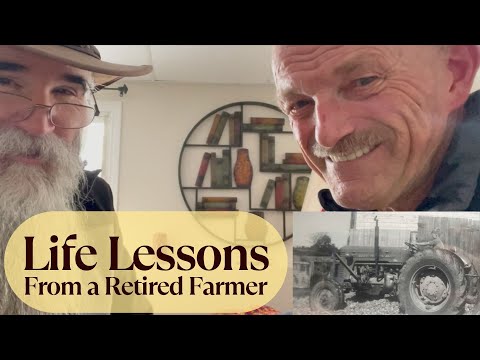
TL;DR: A retired farmer shares invaluable insights on sustainable agriculture, emphasizing observation, working with nature, and the resilience of local food systems.
- Observation is key to understanding ecological patterns and adapting practices.
- Work with nature, not against it, through minimal disturbance.
- Diverse cropping systems enhance resilience against pests and diseases.
- Local food systems are vital amidst market fluctuations and large operations.
- Sustainable living hinges on deep respect for natural ecosystems.
Why it matters: Understanding these principles can help current and aspiring farmers cultivate more resilient and productive agricultural systems while fostering environmental health.
Do this next: Reflect on your own environment and identify one natural pattern you can observe more closely this week.
Recommended for: Anyone interested in applying foundational permaculture principles, sustainable agriculture, or learning from experienced land stewards.
A recent interview with a retired farmer offered a rich tapestry of insights into a life dedicated to agriculture, family, and community, highlighting the enduring principles that underpin sustainable living and land stewardship. The conversation delved into the farmer's extensive experience, revealing a deep understanding of ecological processes and the interconnectedness of life.
The farmer emphasized the importance of observation as a foundational skill in farming. They recounted how years of closely watching weather patterns, soil conditions, and plant growth cycles allowed them to anticipate challenges and adapt their practices effectively. This keen observational ability extended beyond the immediate farm, encompassing an awareness of broader environmental shifts and their potential impact on agricultural productivity. This approach aligns strongly with permaculture principles, which advocate for prolonged and thoughtful observation before intervention.
Another key theme was the farmer's philosophy of working with nature rather than against it. They described methods that minimized disturbance to the soil, such as reduced tillage and the integration of cover crops, practices now widely recognized for their benefits in improving soil health and biodiversity. The farmer also spoke about the value of diverse cropping systems, noting how polycultures contributed to greater resilience against pests and diseases compared to monocultures. This holistic perspective underscored a deep respect for natural ecosystems and a commitment to fostering their health.
The conversation also touched upon the economic realities of farming, particularly the challenges faced by small-scale producers. The farmer shared experiences of navigating market fluctuations and the increasing pressure from larger agricultural operations. Despite these hurdles, they maintained a strong belief in the viability of local food systems and the importance of direct relationships between farmers and consumers. They highlighted the satisfaction derived from providing fresh, healthy food to their community and the sense of purpose that came with contributing to local food security.
Beyond the technical aspects of farming, the interview explored the farmer's reflections on family and community. Farming was presented not just as a profession but as a way of life deeply intertwined with family values and intergenerational knowledge transfer. The farmer spoke fondly of children and grandchildren participating in farm activities, learning practical skills and developing a connection to the land. The role of community support was also emphasized, with neighbors helping each other during busy seasons and sharing resources. This communal spirit was portrayed as essential for the resilience and well-being of rural areas.
The farmer also shared wisdom on the broader aspects of life, emphasizing patience, perseverance, and adaptability. They acknowledged that farming often involves unpredictable challenges, from adverse weather to market volatility, and that a resilient mindset is crucial for navigating these difficulties. The ability to learn from mistakes and continuously refine practices was presented as a vital attribute for long-term success. This perspective resonated with the permaculture design principle of "obtain a yield," not just in terms of produce, but also in terms of knowledge and experience.
Finally, the interview concluded with a forward-looking perspective, with the farmer expressing optimism about the future of sustainable agriculture. They noted a growing interest among younger generations in ecological farming methods and local food production, seeing this as a positive sign for the future of food systems. The farmer's legacy, therefore, extends beyond the land they cultivated, encompassing the wisdom shared and the inspiration provided to those who seek to live in greater harmony with the natural world.