Well-Designed Rainwater Systems: Your Guide to Key Criteria
PermaNews Brief
Key Takeaways
A well-designed rainwater harvesting system integrates robust filtration, appropriate storage, and thoughtful site-specific adaptations for efficient, non-potable water use.
- Proper filtration and overflow vital for system integrity.
- Tank sizing depends on roof area, rainfall, and water demand.
- Site-specific adaptations crucial for diverse climates.
- Backflow prevention ensures municipal water safety.
- Regular maintenance extends system lifespan and efficiency.
Why It Matters
Effective rainwater harvesting reduces water bills, conserves resources, and boosts drought resilience, particularly for non-potable uses like irrigation.
What to Do Next
Conduct a site assessment to determine your roof's catchment area and local rainfall patterns ahead of system planning.
Recommended for: Homeowners, permaculture designers, and agricultural practitioners seeking to implement effective rainwater harvesting for non-potable uses.
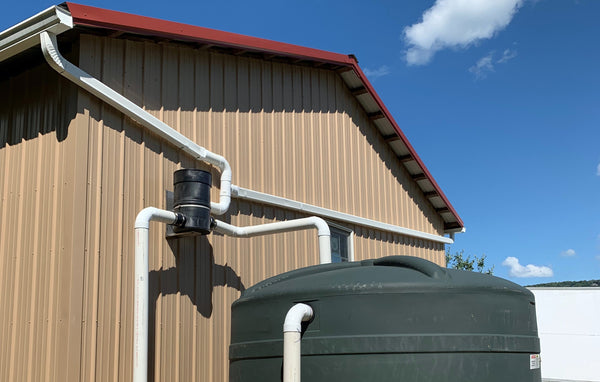
This fact sheet outlines key criteria for a well-designed rainwater harvesting system, focusing on roof collection to tank storage for non-potable uses like irrigation. Essential features include robust filtration allowing high-flow passage during storms without backups, with storage tanks featuring overflow pipes matching inlet size to handle excess. Debris management prevents accumulation near foundations via proper screening and downspout design. Sizing matches roof area, local rainfall, and demand; tanks should hold runoff from a single large storm (e.g., 1-2 inches), calculated as catchment area × rainfall depth × runoff coefficient (0.9 for clean roofs). Site-specific adaptations cover freezing climates—drain systems winterly, bury pipes below frost line, use heat trace, or enclose pumps; belowground tanks need vehicle-load support, anti-flotation anchors, and surface water exclusion. Aboveground tanks require level, compacted bases with concrete or gravel. Backflow prevention is mandatory for municipal backups, using air gaps or reduced pressure zone devices to avoid cross-contamination. Additional practical details: leaf screens and first-flush diverters reduce contaminants by 70-90%; pumps sized for end-use pressure (e.g., 40-60 psi for drip irrigation). Longevity tips include UV-resistant materials, sediment traps, and annual inspections. Case examples highlight failures from undersized overflows causing erosion or poor filtration leading to clogs. This resource equips practitioners with checklists for audits, enabling resilient systems that capture 80%+ of annual rainfall, cutting water bills and enhancing drought preparedness through precise engineering.
Source: rainwatermanagement.com
Related Analysis
- Designers Push Urban Standard From Sustainable to Regenerative — Early signals point to a push for urban design that actively restores ecosystems, not merely reduces harm — with field-t…
- Scrapped EV Batteries Convert to Solar Storage in Off-Grid Markets — Several sources suggest retired EV batteries are finding a second role in rural off-grid solar systems, potentially lowe…
Related on PermaNews
- Hamburg: KREIS macht Jenfelder Au zur Pionierin der Wasserwirtschaft (Case Study)
- Water-Centric Design: A Key to Sustainable Permaculture (Video)
- Dürrefest gärtnern: Permakultur übersteht Klimakrise (How-To Guide)
- Reviving a Historic Floodplain for Biodiversity and Sustainability (Video)
- Smartes Stadtgrün: Digitale Bewässerung & KI gegen Dürre (How-To Guide)
- Keyline-Design: Wassermanagement in Süddeutschland – Praxistest (How-To Guide)
Explore more in Water, Climate & Adaptation — the full hub for this knowledge area.