Supermarket Paper Bag Potato Grow: The Results Are In!
By Self Sufficient Me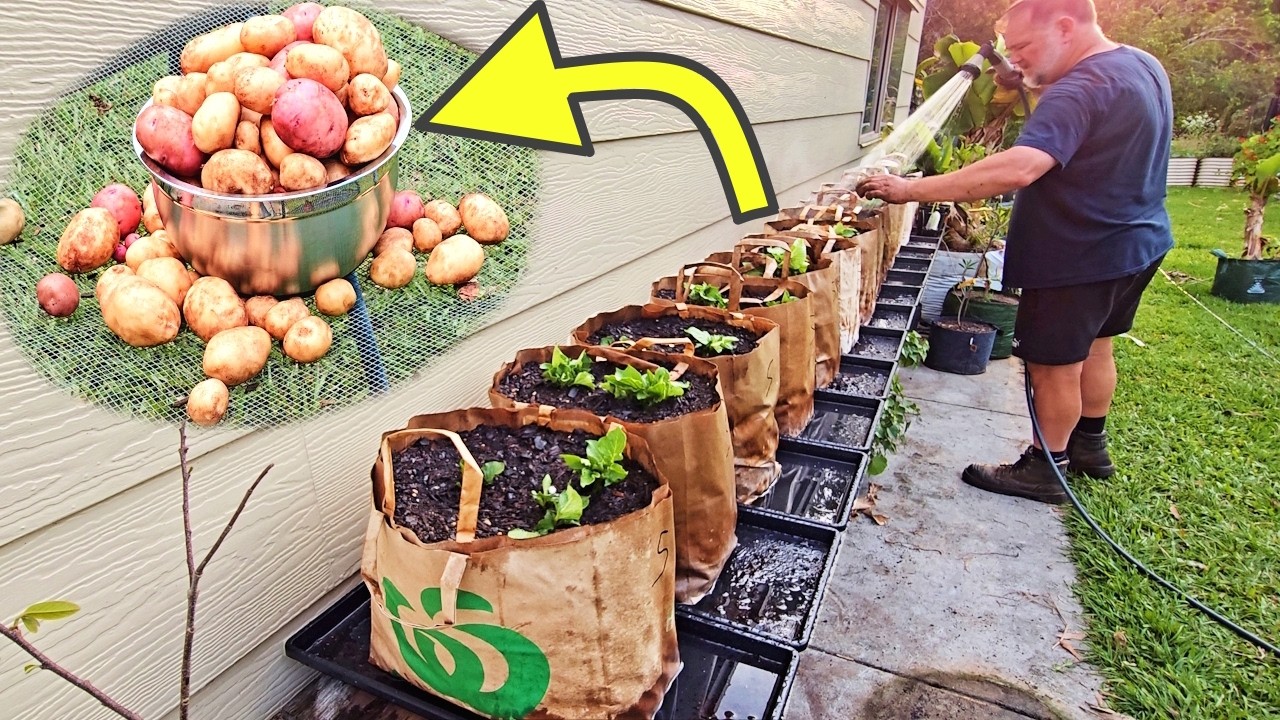
PermaNews Brief
Key Takeaways
Experiment with supermarket paper bags for potato growth shows it is a viable, resourceful container gardening method.
- Paper bags offer an accessible and biodegradable container option.
- Reinforce bags and add drainage for structural integrity and aeration.
- Hilling technique increases potato yield in container gardening.
- Consistent moisture is crucial for healthy potato development.
- Utilize readily available materials for resourceful gardening.
Why It Matters
This method allows gardeners to upcycle common household items, reducing waste and providing an affordable alternative to traditional pots and beds.
What to Do Next
Watch the full video to see the step-by-step process and detailed outcomes of the potato bag experiment.
Recommended for: Home gardeners, urban dwellers, and permaculture enthusiasts interested in sustainable, low-cost container gardening solutions.
The article details an experiment in growing potatoes using supermarket paper bags as containers, offering insights into the feasibility and outcomes of this unconventional method. The author, motivated by a desire to utilize readily available materials and explore alternative gardening techniques, embarked on this project with several key considerations in mind.
The primary motivation for using paper bags was their accessibility and perceived biodegradability, aligning with principles of resourcefulness often found in permaculture. The bags were chosen for their size and material, which was thought to allow for adequate drainage and aeration, crucial factors for healthy potato growth. The experiment involved a specific type of potato, though the article doesn't specify the exact variety, it implies a common, readily available seed potato was used.
The preparation phase involved several steps. The paper bags were initially reinforced to provide more structural integrity, as they are not inherently designed for holding soil and moisture for extended periods. This reinforcement likely involved folding the tops or adding some form of external support to prevent collapse. Drainage holes were also created at the bottom of each bag to prevent waterlogging, a common issue in container gardening that can lead to root rot. The bags were then partially filled with a suitable growing medium, described as a mix designed for vegetable cultivation, ensuring it had good drainage and nutrient content.
The planting process followed standard potato cultivation practices for containers. Seed potatoes were placed on the initial layer of soil, and then covered with more growing medium. As the potato plants grew, additional soil was progressively added to the bags, a technique known as "hilling." This encourages the development of more tubers along the stem, maximizing yield. The article emphasizes the importance of consistent moisture, noting that paper bags, while allowing for drainage, can also dry out more quickly than traditional containers. Therefore, regular watering was a critical aspect of the maintenance routine.
Throughout the growing season, the author observed various aspects of the plants' health and the bags' durability. The paper bags, as expected, began to show signs of degradation due to constant moisture and the weight of the soil. This degradation was a key observation, highlighting both the benefits of biodegradability and the potential limitations in terms of structural integrity over a prolonged period. Despite the bags weakening, they generally held up sufficiently to support the plants until harvest.
The harvest revealed the success of the experiment. The author reported a satisfactory yield of potatoes from the bags, indicating that the method was indeed viable. The potatoes were described as healthy and well-formed, suggesting that the growing conditions within the paper bags were conducive to good tuber development. The size and quantity of the potatoes were comparable to what might be expected from traditional container gardening methods, demonstrating that the paper bags did not significantly hinder growth.
In conclusion, the experiment demonstrated that supermarket paper bags can be successfully repurposed for growing potatoes, offering a resourceful and environmentally conscious alternative to conventional containers. While the bags' structural integrity diminished over time, they proved adequate for a single growing season. The key takeaways include the importance of proper preparation, consistent watering, and the potential for utilizing everyday waste materials in gardening. The article implicitly suggests that this method could be particularly appealing to those with limited space, resources, or an interest in sustainable gardening practices.
Source: youtube.com
Related Analysis
- Food Forest Courses Shift From Theory to Build-Ready Skills — Several food forest courses now open with site assessment and guild-building rather than design theory, suggesting a dev…
- Practitioners Build Silvopasture Playbook Before Researchers Catch Up — A small but consistent set of signals from the Northeast U.S. shows farmers actively piloting silvopasture while formal …
Related on PermaNews
- May 2026 Garden Tour: 99% of Our Fresh Food Grown in Containers (Video)
- Valuable Harvest: Year-Round Container Gardening on Rocks (Video)
- Cultivate Massive Pineapples in Containers Worldwide Easily! (Video)
- Kids Reap Massive Fruit Harvest from Container Garden (Video)
- Transforming My Life Through Container Gardening: An Organic Journey (Video)
- Maximize Your Harvest: Ideal Container Sizes for Fruits & Veggies (Video)
Explore more in Food Systems & Growing — the full hub for this knowledge area.