Ep. 417: Jill & Kaylee Revive Ancestral Plant Medicine Skills
By The Permaculture Consultant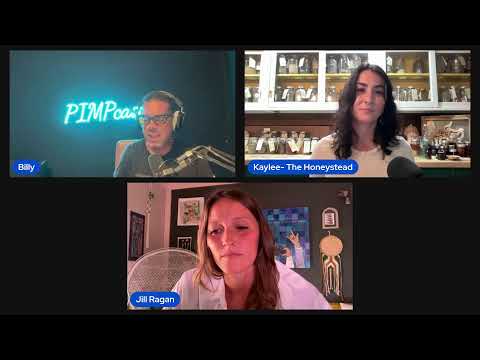
TL;DR: Families can revive ancestral knowledge of medicinal plants for self-sufficiency in health.
- Learn to identify, harvest, and prepare medicinal herbs.
- Create tinctures, salves, and teas for common ailments.
- Reconnect with nature through plant-based healing.
- Empower your household with traditional health skills.
- Understand historical plant medicine practices.
Why it matters: Reclaiming knowledge of medicinal plants fosters self-reliance and reduces dependence on modern pharmaceuticals, improving community health and well-being.
Do this next: Explore local flora to identify potential medicinal plants in your environment.
Recommended for: Individuals and families interested in natural health, self-sufficiency, and traditional plant medicine.
This episode delves into the historical practice of families cultivating and utilizing medicinal plants, a skill that predates modern pharmaceutical industries. The discussion highlights a time when households possessed extensive knowledge of local flora and their therapeutic properties, enabling them to address common ailments and maintain well-being through natural remedies. This traditional approach to health and healing was deeply integrated into daily life, passed down through generations, and formed a cornerstone of community resilience.
The episode introduces Jill and Kaylee, individuals who are actively working to revive this ancestral knowledge and empower contemporary families to reclaim their connection to plant-based medicine. Their efforts are presented as a response to a perceived disconnect from natural healing methods that has become prevalent in modern society. They advocate for a return to self-sufficiency in health, emphasizing the importance of understanding and utilizing the medicinal potential of plants readily available in one's environment.
A key aspect of their work involves educating people on identifying, harvesting, and preparing various medicinal herbs. This includes practical guidance on creating tinctures, salves, teas, and other natural remedies for a range of common health issues. The discussion likely covers specific examples of easily accessible plants with well-documented medicinal properties, such as chamomile for relaxation, calendula for skin healing, or peppermint for digestive support. The focus is on empowering individuals with the practical skills needed to create their own home apothecaries.
Beyond the practical applications, the episode also explores the broader philosophical implications of re-engaging with plant medicine. It touches upon the idea of fostering a deeper connection to nature and understanding ecological systems. By learning about the plants around them, individuals can develop a greater appreciation for biodiversity and the intricate relationships within ecosystems. This perspective aligns with permaculture principles, which advocate for working with nature rather than against it, and for creating self-sustaining systems.
The conversation likely addresses the safety and efficacy of herbal remedies, emphasizing the importance of proper identification, dosage, and understanding potential interactions. While promoting natural healing, the episode would implicitly or explicitly acknowledge the role of modern medicine and the importance of consulting healthcare professionals for serious conditions. The aim is not to replace conventional medicine entirely but to provide complementary and preventative approaches to health.
Furthermore, the episode might touch upon the economic and social benefits of this revival. By reducing reliance on commercially produced pharmaceuticals for minor ailments, families can potentially save money and foster a sense of independence. On a community level, sharing this knowledge can strengthen social bonds and create more resilient local health systems. The act of growing and preparing herbal remedies can also be a fulfilling and empowering experience, fostering a sense of agency over one's health.
In essence, the episode champions a return to a more holistic and self-reliant approach to health, drawing inspiration from historical practices. Jill and Kaylee's work is presented as a vital contribution to re-educating and empowering individuals and families to embrace the wisdom of plant medicine, thereby fostering greater well-being and a deeper connection to the natural world.