Long-Term Food Storage: UK Harvest Preservation Guide
PermaNews Brief
Key Takeaways
Extend your harvest year-round with diverse food preservation methods for self-sufficiency and waste reduction.
- Master canning for shelf-stable fruits and vegetables.
- Dehydrate foods to create lightweight, nutrient-rich snacks.
- Ferment produce to enhance flavor and boost nutrition.
- Utilize freezing and root cellaring for varied storage.
- Ensure hygiene, proper sealing, and labeling for safety.
Why It Matters
Implementing food preservation techniques reduces food waste, decreases reliance on imported goods, and strengthens household food security.
What to Do Next
Start with a simple dehydration project like making apple chips from local produce.
Recommended for: Home gardeners, homesteaders, and anyone interested in sustainable living and food independence.
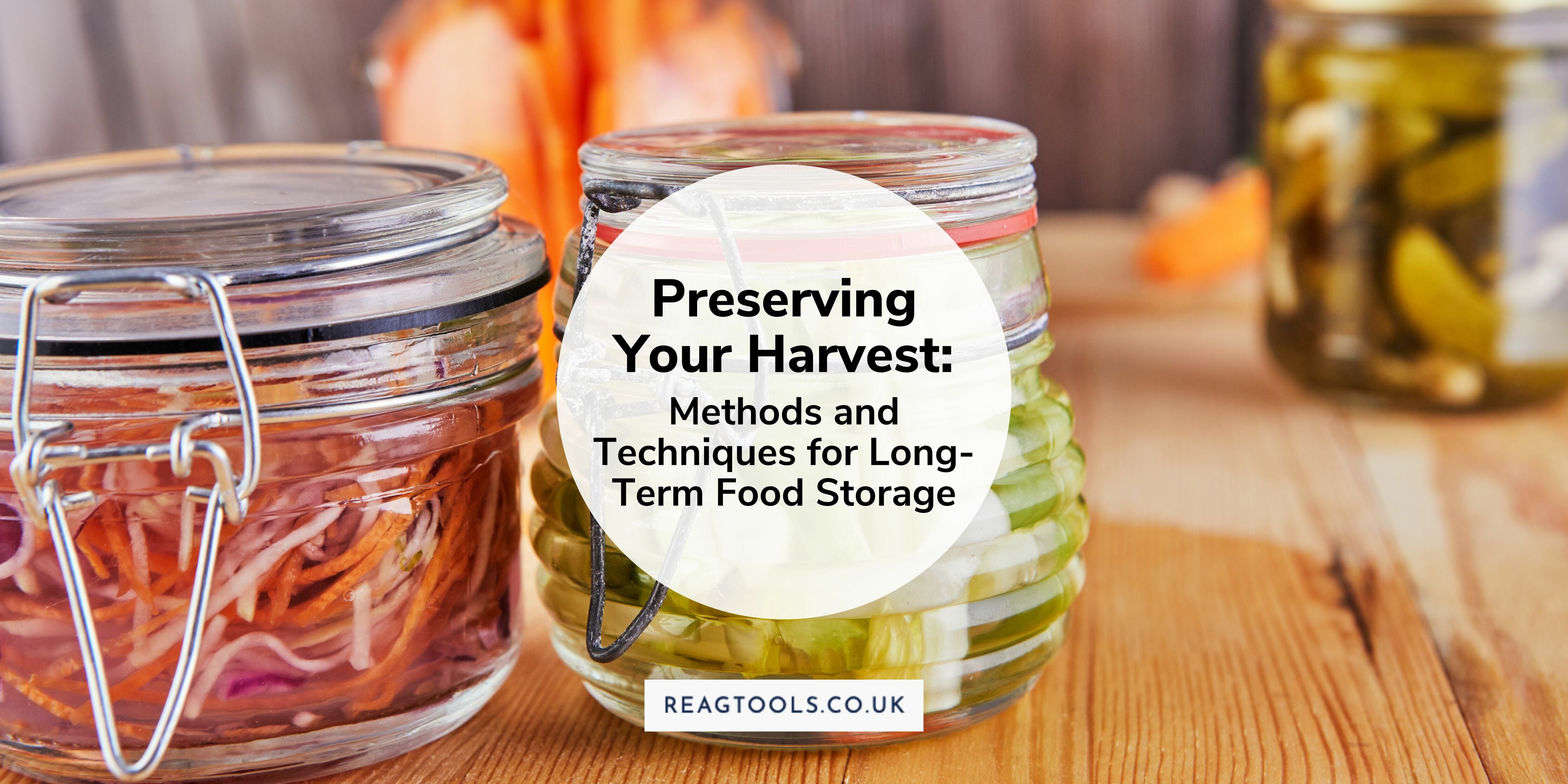
Focused on sustainable UK-based harvest preservation, this guide details actionable techniques for long-term food storage to minimize waste and reliance on imports, ideal for self-sufficiency. Canning and preserving uses jars or cans with brine, syrup, or vinegar to create vacuum seals preventing spoilage; suitable for berries, tomatoes, cucumbers, and more, capturing summer flavors for winter. Process involves sealing food to inhibit microorganisms, offering vibrant, shelf-stable results. Dehydrating removes moisture to stop bacteria, yeast, and molds, using food dehydrators, ovens, or air-drying for fruits, vegetables, herbs; creates lightweight snacks or flavor boosters like dried fruits and herb mixes. Fermentation extends shelf life while boosting nutrition, producing sauerkraut, kimchi, sourdough; leverages natural microbes for tangy, probiotic-rich foods. Additional methods include freezing and root cellar storage, with emphasis on preparation: clean produce, proper organization, cool/dry conditions for roots. Sustainability ties to local sourcing and waste reduction. Key to success is hygiene, correct ratios (e.g., brine strength for canning/fermenting), labeling, and rotation. Practitioners learn concrete steps like vacuum-sealing jars post-boiling-water bath for low-acid foods, slicing thin for even dehydration (e.g., 135°F for 6-12 hours), or salting cabbage at 2-3% for sauerkraut (pound, pack, submerge, ferment 1-4 weeks at 60-70°F). These enable year-round enjoyment of homegrown produce, building resilience through diverse, energy-efficient storage reducing food miles and supporting regenerative cycles by preserving gluts effectively.
Source: reagtools.co.uk
Related Analysis
- Colorado Beekeeper Lost 85% of Hives in 2021 — A Colorado beekeeper lost 85% of his hives in 2021. The sudden collapse raises questions about pesticide exposure in com…
- Bee Colony Losses Rise as Research Funding Declines — US beekeepers mobilize against colony losses and shrinking research budgets. Learn how apiarists are adapting to reduced…
- Does Growing Your Own Food Actually Save Money? The Real Numbers — Most home gardens save money by year two — but only if the right crops are planted. Herbs and salad greens deliver 5–10x…
Related on PermaNews
- Water-Centric Design: A Key to Sustainable Permaculture (Video)
- David Holmgren on Permaculture: A Revolutionary Gardening Approach (Video)
- UN Sounds Alarm on AI's Growing Environmental Footprint (Article)
- Exploring Permaculture with Geoff Lawton in Australia (Video)
- Over 300 Studies Reveal Chlorpyrifos Linked to Serious Health Risks (Article)
- Essential Role of Topsoil in Earth's Life Systems (Video)
Explore more in Food Systems & Growing — the full hub for this knowledge area.