Permaculture: 4 Essential Medicinal Garden Plants
By Permaculture facile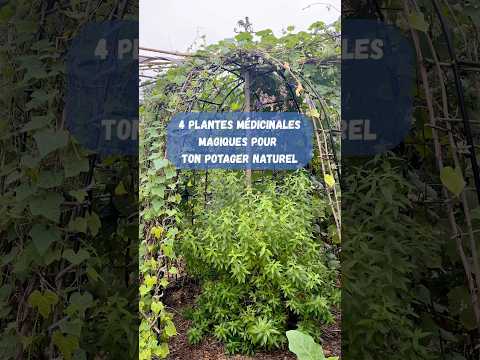
TL;DR: Medicinal plants enhance garden ecosystems and offer health benefits, moving beyond aesthetics to practical permaculture applications.
- Integrate medicinal plants for ecosystem resilience.
- Chamomile aids sleep and deters garden pests.
- Peppermint supports digestion and repels insects.
- Lavender calms and acts as an antiseptic.
- Holistic gardening supports biodiversity and health.
Why it matters: Incorporating medicinal plants into your garden provides natural remedies and fosters a self-sufficient, biodiverse ecosystem, reducing reliance on external solutions.
Do this next: Watch this video to learn more about essential medicinal plants for your permaculture garden.
Recommended for: Gardeners interested in enhancing their permaculture design with beneficial medicinal plants.
This article highlights the importance of incorporating medicinal plants into a natural garden, particularly within a permaculture framework. It emphasizes that these plants offer more than just aesthetic appeal or culinary uses; they provide valuable health benefits and contribute to a resilient, self-sufficient ecosystem. The piece advocates for a holistic approach to gardening where plants are chosen not only for their yield but also for their therapeutic properties and their role in supporting biodiversity.
The article introduces four specific medicinal plants as essential additions to such a garden, each with distinct characteristics and uses. The first plant discussed is chamomile, renowned for its calming properties. It is presented as a versatile herb that can be used to alleviate stress, improve sleep, and soothe digestive issues. Beyond its human benefits, chamomile is also noted for its positive impact on the garden itself, acting as a companion plant that can deter pests and attract beneficial insects. Its ease of cultivation and adaptability to various climates make it an ideal choice for beginners and experienced gardeners alike.
Next, the article features peppermint, a vigorous and aromatic herb known for its refreshing qualities. Peppermint is highlighted for its ability to aid digestion, relieve headaches, and clear respiratory passages. Its strong scent is also beneficial in the garden, as it can deter common pests like aphids and rodents, thus protecting other crops. The article advises on managing peppermint's growth due to its tendency to spread, suggesting containment methods to prevent it from overtaking other plants. Despite this, its numerous benefits for both human health and garden ecology make it a valuable inclusion.
The third plant presented is lavender, celebrated for its beautiful flowers and soothing fragrance. Lavender's medicinal properties include its ability to reduce anxiety, promote relaxation, and act as an antiseptic for minor cuts and burns. In the garden, lavender is a magnet for pollinators such as bees and butterflies, contributing significantly to the garden's biodiversity and the pollination of other fruiting plants. Its drought tolerance and low maintenance requirements further enhance its appeal, making it a resilient and beneficial plant for a permaculture garden.
Finally, the article discusses calendula, often referred to as pot marigold. This vibrant flower is prized for its anti-inflammatory and wound-healing properties, making it a valuable ingredient in salves and balms. Internally, calendula can support the immune system and aid in detoxification. From a gardening perspective, calendula is an excellent companion plant that can deter nematodes and other harmful soil pests. Its bright petals also attract beneficial insects, enhancing the overall health and productivity of the garden ecosystem. The article notes its ease of growth and its ability to reseed itself, ensuring a continuous supply of this beneficial plant.
In summary, the article underscores that integrating these medicinal plants into a natural garden aligns perfectly with permaculture principles. It promotes a garden that is not only productive but also contributes to the well-being of its cultivators and the surrounding environment. By choosing plants like chamomile, peppermint, lavender, and calendula, gardeners can create a resilient, biodiverse, and health-enhancing space that offers a continuous supply of natural remedies and ecological benefits. This approach fosters a deeper connection with nature and encourages a more self-sufficient lifestyle.