Donkeys: Permaculture's Living Mowers & Guardians
By Discover Permaculture with Geoff Lawton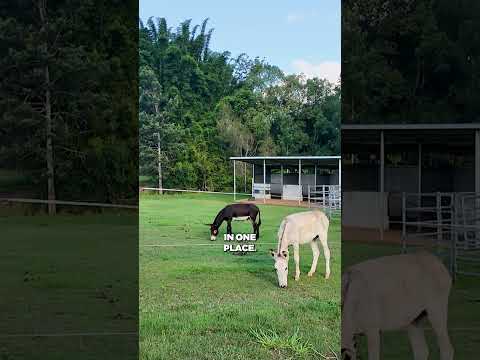
TL;DR: Donkeys offer valuable, sustainable benefits in permaculture by protecting livestock, managing vegetation, and contributing to soil health.
- Donkeys guard livestock from predators.
- They browse and graze diverse vegetation.
- Donkeys reduce need for machinery.
- Their grazing is gentle on soil.
- They contribute to farm sustainability.
Why it matters: Integrating donkeys into permaculture can significantly reduce reliance on external inputs and labor, leading to more resilient and economically viable farm systems.
Do this next: Consider how donkey integration could benefit your farm by researching their specific needs and compatible livestock.
Recommended for: Farmers and smallholders seeking sustainable, natural methods for livestock protection and land management.
Donkeys are increasingly recognized as valuable assets in permaculture systems, offering a multifaceted contribution that extends beyond simple companionship. Their utility spans several key areas, making them a sustainable and efficient addition to many smallholdings and farms.
One of the primary benefits of incorporating donkeys into a permaculture design is their natural ability as guardians. They possess an inherent protective instinct, particularly towards smaller livestock such as sheep, goats, and poultry. This protective behavior stems from their territorial nature and their strong aversion to canids, including coyotes, foxes, and even domestic dogs that might pose a threat to farm animals. Donkeys will actively confront and chase away perceived predators, often using their powerful kicks and vocalizations to deter them. This reduces the need for fencing or other predator control measures, contributing to a more natural and less resource-intensive farm management approach. Their presence can significantly lower livestock losses, thereby increasing the overall productivity and economic viability of the farm.
Beyond their role as protectors, donkeys are also highly effective at managing vegetation. They are natural browsers and grazers, making them excellent "mowers" for maintaining pastures and controlling unwanted plant growth. Unlike horses, donkeys are less selective in their diet and will readily consume a wider variety of plants, including many weeds and tougher forage that other livestock might ignore. This characteristic makes them particularly useful for clearing overgrown areas, maintaining firebreaks, and keeping pathways clear. Their grazing patterns are also less impactful on the soil compared to heavier machinery, reducing compaction and promoting healthier soil structure. By utilizing donkeys for vegetation management, farmers can decrease reliance on fossil fuel-powered equipment, leading to reduced carbon emissions and operational costs.
Furthermore, donkeys serve as efficient "fertilizer machines." Their manure is a valuable organic amendment for soil, rich in nutrients and beneficial microorganisms. Donkey manure is generally less "hot" than horse manure, meaning it can be applied directly to gardens and fields without extensive composting, though composting is always beneficial. It improves soil structure, enhances water retention, and provides a slow-release source of nutrients for plants. Integrating donkeys into a rotational grazing system allows for the even distribution of their manure across pastures, naturally enriching the soil and supporting healthy plant growth. This closed-loop system reduces the need for synthetic fertilizers, aligning perfectly with permaculture principles of working with nature and minimizing external inputs.
The physical characteristics of donkeys also contribute to their suitability for permaculture. They are known for their hardiness, resilience, and relatively low maintenance requirements compared to other large livestock. They are generally less prone to certain diseases and can thrive on poorer quality forage, making them a cost-effective choice for many land managers. Their smaller size and lighter weight, compared to horses, also mean they cause less soil compaction, which is crucial for maintaining healthy soil ecosystems in permaculture.
In summary, donkeys offer a compelling suite of benefits for permaculture practitioners. Their innate protective instincts safeguard livestock, their efficient grazing habits manage vegetation and reduce reliance on machinery, and their manure enriches the soil, closing nutrient loops. These combined attributes make donkeys a sustainable, economical, and environmentally friendly addition to any permaculture system, embodying the principles of integration, efficiency, and working with natural processes.