UC Master Gardeners: Seed Saving for Self-Pollinators
By UC Master Gardeners of Santa Clara County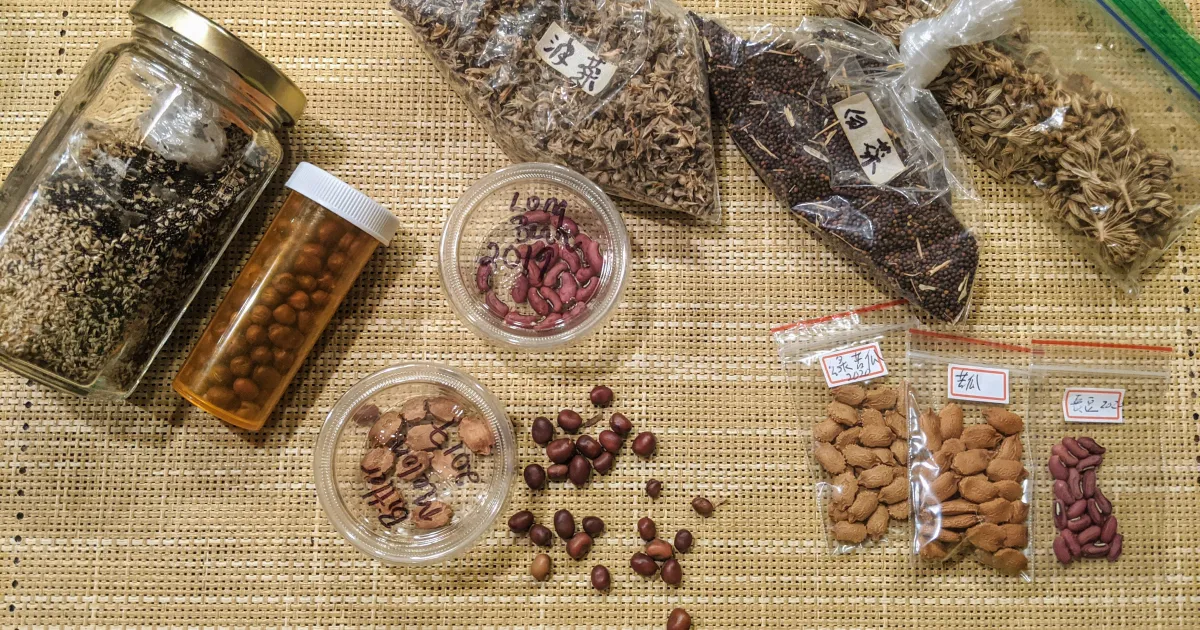
TL;DR: Mastering seed saving for self-pollinating plants enhances garden resilience and self-sufficiency, ensuring viable crops year after year.
- Prioritize healthy, open-pollinated plants for successful seed saving.
- Allow seeds to fully mature on the plant for optimal viability.
- Start with easy self-pollinators like beans, peas, and tomatoes.
- Employ barriers for cross-pollinators to maintain genetic purity.
- Proper drying and cool, dark storage are crucial for longevity.
- Iterative selection adapts plants to local conditions over time.
Why it matters: Saving your own seeds reduces reliance on external suppliers, preserves local plant adaptations, and significantly lowers gardening input costs, fostering true self-sufficiency.
Do this next: Set aside a few healthy, open-pollinated plants from your favorite self-pollinating crop this season specifically for seed collection, allowing them to fully mature.
Recommended for: Home gardeners, community gardeners, and permaculturists seeking greater food independence and genetic diversity.
From UC Master Gardeners, this outlines reliable seed saving for self-pollinating plants, with tips for success applicable to resilience gardening. Prioritize healthy plants to avoid weak/diseased offspring; open-pollinated over hybrids for true-to-type; understand pollination (self vs. cross). Mature seeds fully on plant, even past prime eating. Easy saves: beans, peas, tomatoes, lettuce—selfers with minimal crossing. For crossers (e.g., squash), use barriers like mesh bags/cages on flowers, or time plantings to avoid overlap flowering; distance if isolated. Advanced: books for techniques. Select best plants, label, dry thoroughly. Practical for home scales: start with self-pollinators, expand cautiously. Supports permaculture by preserving local adaptations, reducing inputs. Examples link to detailed methods (e.g., tomato fermentation). Storage: envelopes in cool/dark. Builds self-sufficiency through iterative selection, ensuring viable seeds year-over-year.