Aymara's Lake Titicaca: Drying Lake Feeds Andes
By Andrew Millison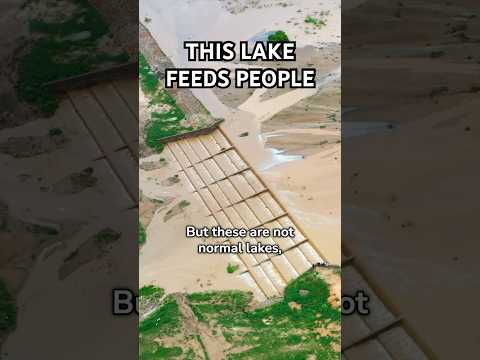
PermaNews Brief
Key Takeaways
Ancient Andean farmers ingeniously adapt to fluctuating lake levels with raised planting beds, ensuring continuous food production through floods and droughts.
- Raised fields use canals for irrigation.
- Canals act as thermal regulators.
- Sediment fertilizes beds naturally.
- System supports aquatic biodiversity.
- Resilient to both floods and droughts.
Why It Matters
This ancient agricultural system offers a compelling model for climate-resilient food production, particularly in areas facing unpredictable water availability and temperature extremes.
What to Do Next
Explore how raised bed and canal systems could be adapted to your local climate for water management and temperature regulation.
Recommended for: Farmers, gardeners, and community organizers interested in resilient agricultural practices that integrate water management and natural fertility.
The article describes a unique agricultural system in the Andes Mountains of Peru, centered around Lake Titicaca, which experiences significant seasonal fluctuations in water levels. This natural phenomenon, where the lake periodically dries out, has been ingeniously harnessed by the local Aymara people for centuries to cultivate food.
The core of this system involves the construction of raised fields, known as *waru waru* or *camellones*. These are essentially elevated planting beds surrounded by canals. During the wet season, when Lake Titicaca expands and the surrounding plains become inundated, the canals fill with water. This water then slowly seeps into the raised beds, providing moisture for crops even as the water table rises. The canals also serve as a heat sink, absorbing solar radiation during the day and radiating it back at night, which helps to protect crops from frost, a common problem at this high altitude.
As the dry season progresses and the lake recedes, the plains dry out, but the *waru waru* continue to retain moisture in their canals and within the raised beds themselves. This allows for continuous cultivation even when surrounding areas are parched. The nutrient-rich sediment carried by the lake waters is deposited in the canals, and this organic matter is periodically scooped out and used to fertilize the raised beds, creating a self-sustaining fertility cycle. The canals also support aquatic life, such as fish and frogs, which can be harvested for food and further contribute to the ecosystem's biodiversity.
This ancient agricultural technique demonstrates a profound understanding of the local environment and its natural cycles. Instead of fighting against the fluctuating water levels, the Aymara people have adapted their farming practices to work in harmony with them. The *waru waru* system is remarkably resilient, capable of producing food in both flood and drought conditions, which are increasingly relevant concerns in the face of climate change.
Modern efforts have focused on reviving and expanding the use of *waru waru* in the region. Organizations and local communities are collaborating to reconstruct these ancient raised fields, recognizing their potential to enhance food security and agricultural productivity in a sustainable manner. The reintroduction of these traditional farming methods offers a valuable lesson in ecological engineering and highlights the importance of indigenous knowledge in developing resilient food systems. The success of these revived *waru waru* projects underscores their effectiveness as a permaculture solution, providing a model for how human activity can be integrated with natural processes to create productive and sustainable landscapes.
Source: youtube.com
Related Analysis
- Baltimore Researchers Reject Yield as Urban Farm Success Metric — Several sources suggest urban agriculture is being recast from food supplement to food sovereignty tool, with peer-revie…
- Urban Food Forest Tours Signal Shift From Passive Gardens — Several initiatives indicate urban food forests are evolving into hands-on design and education hubs — distinct from con…
Related on PermaNews
- Ernst Götsch's Cacao Syntropy: Master Agroforestry Now (How-To Guide)
- Finnish Off-Grid: Rocket Mass Heater Performance in Greenhouse (Case Study)
- Berlins schwimmende Gärten: Permakultur auf dem Wasser (Case Study)
- Rodale Report 2025: Thermal Mass Boost in Solar Greenhouses (Case Study)
- AUTarcaMatricultura La Palma: Permakultur & Energieautarkie (How-To Guide)
- Earthaven Ecovillage: 30 Years Off-Grid with Hydro & Solar (Video)
Explore more in Food Systems & Growing — the full hub for this knowledge area.