Handfuls of Compost: Big Impact for Your Garden!
By The Permaculture Consultant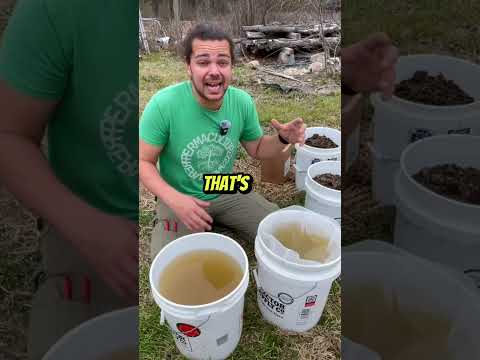
TL;DR: Even small amounts of compost significantly improve soil health by enhancing structure, providing nutrients, and fostering beneficial microbes.
- A few handfuls of compost boost plant health.
- Compost acts as a slow-release fertilizer.
- It improves soil structure in various soil types.
- Beneficial microbes enhance nutrient cycling.
- Consistent small applications are better than large, infrequent ones.
Why it matters: Regular addition of compost builds long-term soil fertility and resilience, reducing the need for synthetic inputs and promoting a thriving garden ecosystem.
Do this next: Start a small compost pile or vermicompost system to generate your own soil amendment.
Recommended for: Gardeners of all levels looking for practical, sustainable ways to enhance their soil and plant health.
This brief piece, likely a short-form video or image post given the "shorts" tag, emphasizes the significant impact a small amount of compost can have on a garden. The core message revolves around the idea that even a few handfuls of this organic material can contribute substantially to plant health and soil vitality.
Compost, in the context of permaculture and general gardening, is a decomposed mixture of organic matter, such as leaves, food scraps, and yard waste. Its value lies in its ability to enrich the soil in multiple ways. When added to garden beds, compost acts as a slow-release fertilizer, providing essential nutrients that plants need for growth, flowering, and fruiting. Unlike synthetic fertilizers, which can deplete soil life over time, compost fosters a thriving ecosystem beneath the surface.
One of the primary benefits highlighted by the "few handfuls" concept is the improvement of soil structure. In sandy soils, compost helps retain moisture and nutrients that would otherwise leach away quickly. For heavy clay soils, it works to break up compaction, improving drainage and aeration, which are crucial for root development. This structural enhancement creates a more hospitable environment for plant roots to spread and access resources.
Furthermore, compost introduces a diverse array of beneficial microorganisms into the soil. These microbes, including bacteria, fungi, and protozoa, play a vital role in nutrient cycling. They break down organic matter, making nutrients available to plants, and can also help suppress plant diseases. A healthy microbial community contributes to a more resilient and productive garden ecosystem.
The article implicitly suggests that consistent, even if small, applications of compost are more beneficial than infrequent, large doses. This aligns with permaculture principles of observing and interacting, and making small, slow solutions. Regular additions of compost help to continuously replenish soil organic matter, which is gradually consumed by soil organisms and plants. This continuous amendment builds soil fertility over time, reducing the need for external inputs and creating a more self-sustaining system.
The use of "compost" and "Garden" hashtags indicates a focus on practical application for gardeners of all levels. It demystifies the process, suggesting that one doesn't need vast quantities or complex systems to start seeing positive results. Even a small home composting setup, producing just a few handfuls at a time, can make a noticeable difference. This accessibility is a key aspect of permaculture, encouraging individuals to take small, manageable steps towards more sustainable practices.
In essence, the message is a concise yet powerful reminder of the fundamental role compost plays in creating healthy, productive gardens. It underscores that even minimal effort in incorporating this organic amendment can yield significant improvements in soil health, plant vigor, and overall garden resilience, embodying the permaculture ethos of working with nature to achieve abundance.