Winter Seeds to Oaxaca: Native Habitat & Garden Memories
By Willows Green Permaculture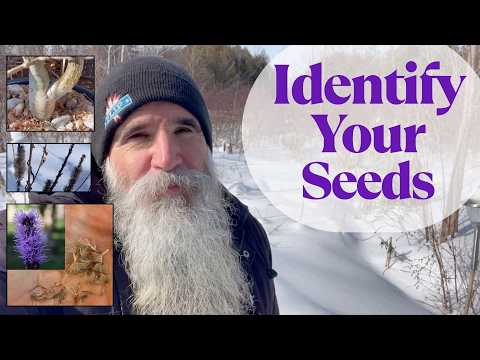
PermaNews Brief
Key Takeaways
Identify winter seeds for native plant restoration, enhancing biodiversity and ecological resilience through careful observation and documentation.
- Learn winter seed identification for restoration.
- Native plants support local wildlife.
- Holistic approach to ecosystem restoration.
- Document seed characteristics diligently.
- Understand plant life cycles for success.
Why It Matters
Understanding winter seed identification is crucial for effective native habitat restoration, allowing for the propagation of appropriate species to build resilient local ecosystems and support biodiversity.
What to Do Next
Consult local field guides to identify common native seeds in your region during winter, noting their unique characteristics.
Recommended for: Ecological restoration practitioners, native plant enthusiasts, and anyone looking to deepen their understanding of plant life cycles and local ecosystems.
This article delves into the multifaceted world of native plant restoration, emphasizing the crucial role of winter seed identification and the personal journey of connecting with the land through gardening. It highlights the importance of understanding plant life cycles, particularly the dormant stage, for successful ecological restoration efforts. The author shares experiences from various projects, illustrating how meticulous observation and knowledge of local flora contribute to creating thriving, resilient ecosystems.
A significant portion of the discussion revolves around the practicalities of identifying seeds during the winter months. This skill is presented as fundamental for anyone involved in native habitat restoration, as it allows for the collection and propagation of appropriate species. The article touches upon different seed characteristics, such as size, shape, texture, and the presence of any remaining plant structures that can aid in identification. It underscores the need for careful documentation and the use of field guides or expert knowledge to accurately distinguish between species, especially when dealing with similar-looking seeds. The author's personal anecdotes often involve the discovery of specific native plants, like Sweet Gale, and the process of learning their unique characteristics and ecological roles.
The narrative also explores the broader concept of native habitat restoration, moving beyond just seed identification to encompass site assessment, plant selection, and long-term management. It emphasizes the benefits of using native species, such as their adaptation to local climate and soil conditions, their ability to support local wildlife, and their contribution to biodiversity. The article suggests that successful restoration projects require a holistic approach, considering the interconnectedness of all elements within an ecosystem. This includes understanding historical land use, current environmental pressures, and the desired ecological outcomes. The author’s experiences in various locations, from local gardens to more extensive restoration sites, illustrate the diverse challenges and rewards associated with these endeavors.
A recurring theme is the personal connection to nature and the role of gardening in fostering this relationship. The author reflects on how gardening, particularly with native plants, can be a deeply personal and transformative experience. It's presented not just as a technical skill but as a way of engaging with the natural world, learning its rhythms, and contributing to its health. The "garden memory" aspect of the title hints at the emotional and historical layers embedded in these activities, suggesting that our interactions with plants and landscapes can evoke powerful recollections and shape our understanding of place. The journey from "Sweet Gale to Oaxaca" symbolizes this expansive and personal exploration, connecting local ecological knowledge with broader cultural and geographical contexts. It implies a continuous learning process, where insights gained in one environment can inform practices in another, fostering a deeper appreciation for global biodiversity and the universal principles of ecological balance.
Ultimately, the article advocates for a thoughtful and informed approach to permaculture and ecological restoration. It encourages readers to develop a keen eye for detail, to learn about the native plants in their region, and to engage in hands-on activities that promote environmental stewardship. The emphasis on winter seed identification serves as a practical entry point into this larger world of ecological understanding and action, demonstrating that even seemingly small details can have significant impacts on the health and resilience of our natural environments.
Source: youtube.com
Related Analysis
- Second-Life EV Batteries Replace Costlier Storage in Off-Grid Sites — Several sources suggest repurposed EV batteries can cut stationary storage costs and carbon footprints, with early signa…
- Passive Water Harvesting Moves From Niche to Replicable Model — Early case studies from Tucson and Germany's Beckower Ökodorf suggest passive water harvesting can scale within permacul…
Explore more in Water, Climate & Adaptation — the full hub for this knowledge area.