Polytunnel Pak Choi: Winter Growing Success at Red Gardens
By RED Gardens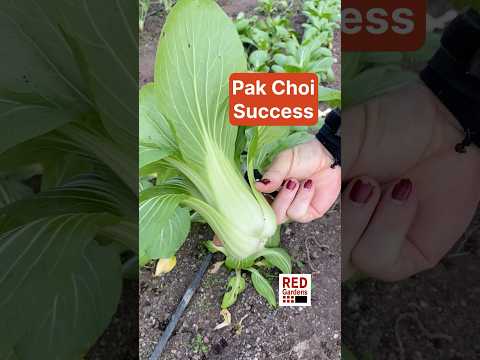
PermaNews Brief
Key Takeaways
Overwintering pak choi in a polytunnel using a "cut and come again" method ensures a continuous harvest and extends the growing season.
- Polytunnels protect crops from frost and cold.
- Cut and come again harvesting maximizes yield.
- Regulate polytunnel ventilation for plant health.
- Overwintering provides continuous fresh produce.
Why It Matters
Extending the harvest season for fresh greens in challenging climates enhances food security and reduces reliance on external food systems.
What to Do Next
Consider setting up a polytunnel for overwintering tender crops like pak choi to extend your harvest.
Recommended for: Gardeners and permaculturists interested in extending their harvest season for fresh greens through winter using protected growing environments and sustainable harvesting techniques.
The Red Gardens channel recently shared an update on their overwintered pak choi, highlighting a successful cultivation effort within a polytunnel environment. The video showcased the robust health of the plants, which had not only survived the colder months but were also thriving and producing a substantial harvest. This achievement underscores the effectiveness of using protected growing spaces like polytunnels for extending the growing season and ensuring a continuous supply of fresh produce, even in challenging climates.
The pak choi plants were depicted as large and leafy, indicating vigorous growth. The presenter demonstrated the harvesting process, carefully selecting the outer leaves to allow the inner core of the plant to continue growing and producing. This method, known as "cut and come again," is a sustainable harvesting technique commonly employed in permaculture and intensive gardening. It maximizes yield over an extended period from a single plant, reducing the need for frequent replanting and optimizing space utilization. The video emphasized that this approach not only provides a steady supply of greens but also promotes the longevity and productivity of the individual pak choi plants.
A key aspect of their success was attributed to the controlled environment of the polytunnel. Polytunnels offer several advantages for overwintering crops. They provide insulation against frost and cold winds, maintaining a more stable and elevated temperature compared to outdoor conditions. This protection prevents damage to sensitive plants like pak choi, which might otherwise succumb to freezing temperatures. Furthermore, polytunnels can shield plants from excessive rain and snow, preventing waterlogging and reducing the incidence of certain diseases. The presenter likely managed ventilation within the polytunnel to regulate temperature and humidity, crucial factors for plant health during winter.
The video also touched upon the practical benefits of growing one's own food, particularly during seasons when fresh, locally grown produce can be scarce. The ability to harvest fresh pak choi in winter offers a significant advantage, contributing to food security and reducing reliance on store-bought options, which often have a higher carbon footprint due to transportation. This aligns with the broader principles of permaculture, which advocate for self-sufficiency, local food systems, and sustainable resource management.
While specific details about soil preparation, watering schedules, or pest management were not extensively detailed in the provided description, the visual evidence of healthy plants suggests that appropriate care was given. Successful overwintering typically involves good soil fertility, consistent moisture, and proactive measures against common winter pests or diseases that can thrive in protected environments. The overall impression conveyed was one of effective horticultural practice leading to a bountiful winter harvest.
In summary, the Red Gardens update on their overwintered pak choi provides a compelling example of successful winter growing within a polytunnel. The healthy, productive plants, harvested using a sustainable "cut and come again" method, demonstrate the benefits of protected cultivation for extending the growing season and enhancing food self-sufficiency. This achievement highlights the practical application of permaculture principles in producing fresh, local food even during colder months.
Source: youtube.com
Related Analysis
- Worm Castings Rebuild Soil Structure While Cutting Water Use — Vermicompost improves soil structure, moisture retention, and microbial life while converting food waste into usable fer…
Related on PermaNews
- Ernst Götsch's Cacao Syntropy: Master Agroforestry Now (How-To Guide)
- Finnish Off-Grid: Rocket Mass Heater Performance in Greenhouse (Case Study)
- Berlins schwimmende Gärten: Permakultur auf dem Wasser (Case Study)
- Rodale Report 2025: Thermal Mass Boost in Solar Greenhouses (Case Study)
- AUTarcaMatricultura La Palma: Permakultur & Energieautarkie (How-To Guide)
- Earthaven Ecovillage: 30 Years Off-Grid with Hydro & Solar (Video)
Explore more in Food Systems & Growing — the full hub for this knowledge area.