Smooth Plant Moves: Relocation Success Guide
By Ricardo Orlando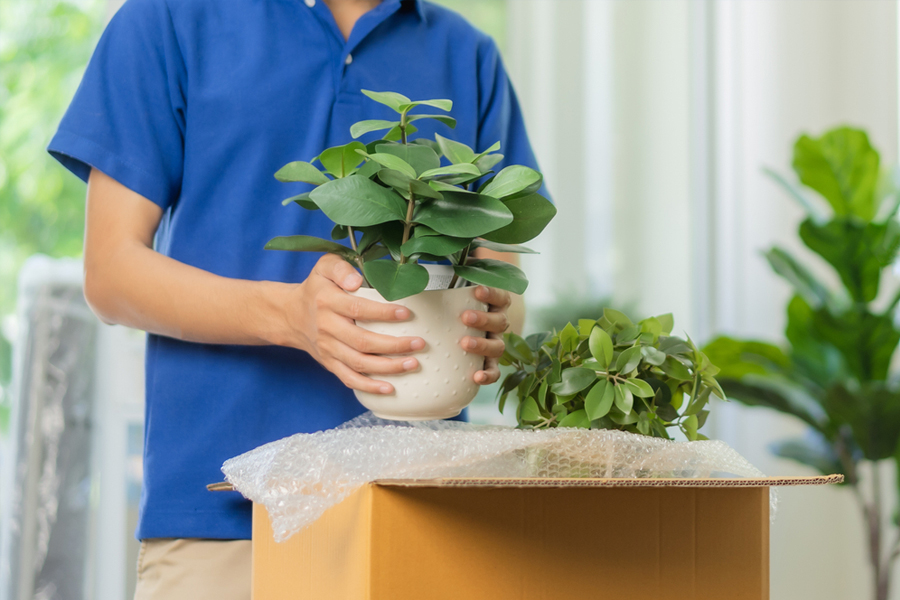
PermaNews Brief
Key Takeaways
Successful plant relocation requires careful planning, preparation, and proper packing to minimize stress and maximize survival.
- Begin preparation weeks in advance for best results.
- Assess plant health and prune before moving.
- Gradually transition large plants to smaller pots.
- Thoroughly water plants days before the move.
- Pack plants based on size and fragility carefully.
Why It Matters
Moving plants safely ensures continuity in your garden or indoor space, preserving your investment and enjoyment of greenery.
What to Do Next
Start preparing your plants for relocation at least two weeks before your moving day by assessing their health and pruning.
Recommended for: Anyone planning to move residences who wants to ensure their plants survive and thrive in their new environment.
Relocating can be a complex undertaking, and for individuals who cherish their botanical companions, ensuring the safe transport of plants is often a primary concern. Successfully moving plants requires careful planning and execution to minimize stress on the specimens and maximize their chances of thriving in a new environment.
The process begins well before moving day. It's advisable to start preparing plants several weeks in advance. This includes assessing the health of each plant, pruning any dead or overgrown foliage, and checking for pests. Addressing these issues beforehand can prevent them from worsening during transit and potentially affecting other plants. For larger plants, a gradual transition to a smaller pot might be beneficial if they are currently in very large containers that would be difficult to move. This acclimatization period allows the plant to adjust to its new, more confined root space before the added stress of relocation.
Hydration is crucial. A few days before the move, plants should be thoroughly watered. This ensures they have sufficient moisture to sustain them during the journey, especially if the move involves several days of travel. However, it's important not to overwater immediately before packing, as excessively wet soil can lead to mold growth or make pots heavier and more prone to breakage.
When it comes to packing, the method varies depending on the plant's size and fragility. Smaller potted plants can often be placed in sturdy boxes, with packing material like newspaper, shredded paper, or even old towels used to fill any gaps and prevent them from shifting. For more delicate plants, individual wrapping in paper or plastic sleeves can offer additional protection. Larger plants might require more specialized handling. Their pots can be wrapped in burlap or plastic to contain soil and moisture, and their foliage can be gently tied back to prevent breakage. For very large or heavy plants, professional movers specializing in plant transport might be a worthwhile consideration.
During transit, environmental conditions are paramount. Plants should be kept in a climate-controlled environment as much as possible. Extreme temperatures, both hot and cold, can be detrimental. If moving in a personal vehicle, ensure plants are not exposed to direct sunlight for extended periods or left in a cold car overnight. Proper ventilation is also important to prevent overheating and humidity buildup. If the journey is long, occasional checks and misting might be necessary, though this should be done cautiously to avoid over-saturating the soil.
Upon arrival at the new location, the unpacking process should be handled with care. Plants should be removed from their boxes and wrappers as soon as possible to allow them to breathe and receive light. They should then be placed in an appropriate location, away from direct drafts or extreme temperature fluctuations. A period of adjustment is often needed for plants to acclimate to their new surroundings. This might involve gradually introducing them to new light conditions or slowly reintroducing a regular watering schedule. Observing the plants for any signs of stress, such as wilting or yellowing leaves, can help in addressing their needs promptly. Repotting, if necessary, should generally be delayed until the plant has settled into its new home for a few weeks, further minimizing stress.
Source: urbanfarmonline.com
Related Analysis
- Regenerative Farmers Flip Cover Crop Logic From Compliance to Profit — Practitioner accounts and a new meta-analysis suggest cover cropping is being reframed from conservation practice to pro…
- Farmers Convert Six Weeks of Rhubarb Into 25-Year Supply — Initial signals suggest a rhubarb preservation technique can extend a brief seasonal harvest into 25 years of storage—a …
Related on PermaNews
- Weltbiodiversätstag: Die Bio-Balkon-Bewegung schafft Lebensraum für 🌺🌿🐝🐛🦋🐞🪴 (Video)
- What If Nature Could Teach You to Become Your Own Best Gardening Guide? (Video)
- Comment créer un micro jardin-forêt productif ! (Video)
- Grow HUGE Winter Squash in SMALL Spaces! Vertical Gardening Hack #shorts (Video)
- Boost 4000 Native Bee Species: Organic Garden Tips (Video)
- Iran War's Food Impact: Fertilizer Crisis & Your Garden (Video)
Explore more in Food Systems & Growing — the full hub for this knowledge area.