Seed Saving: Regenerative Farming & Biodiversity Boost
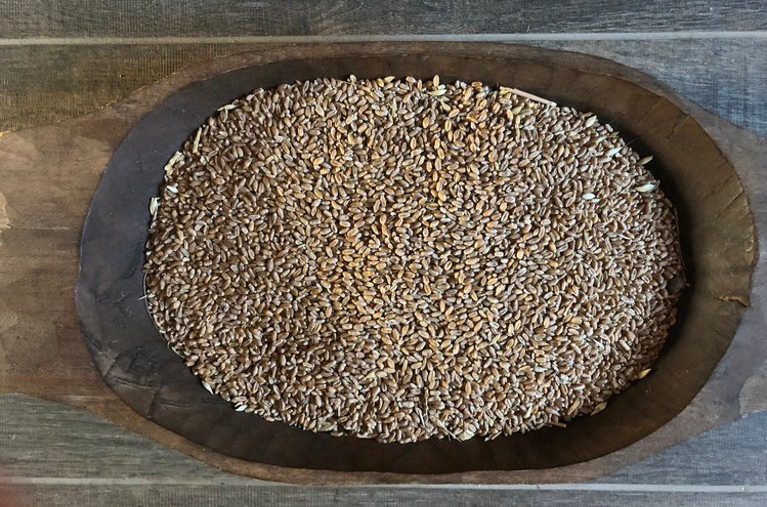
TL;DR: Small farms can achieve zero-cost food production by using local, saved seeds to create biodiverse, resilient ecosystems.
- Save seeds for zero-cost, local food production.
- Integrate biodiversity for resilient ecosystems.
- Promote self-seeding cover crops for continuous harvest.
- Mimic natural densities for pathogen/insect resilience.
- Prioritize small farms for community food security.
Why it matters: Embracing seed saving and ecological mimicry allows small farms to build hyper-local, sustainable food systems that enhance both community health and environmental resilience.
Do this next: Start by identifying a patch of land, however small, to experiment with tossing seeds of resilient greens and observing what thrives.
Recommended for: Small-scale farmers, regenerative agriculture enthusiasts, and gardeners interested in low-input, high-resilience food production through seed saving and ecological mimicry.
This case study from Resilience.org details a small-scale sustainable farm's seed saving practices for zero-cost, local food production emphasizing biodiversity and ecosystem integration. The author grows from saved seeds, recycling waste into fertile soil, capturing rainwater, and distributing hyper-locally for fresher, healthier food. Key methods: tossing seeds into wild areas where plants self-select locations, forming resilient 'permanent salad blankets' of self-seeding cover crops like chicory, chickweed, and wild greens that persist across seasons in sun/shade. No pampering—survivors thrive, interplanted with seasonals like peas, beans, broccoli, tomatoes, potatoes. Benefits: water/soil retention, nutrition cycling, pest control via insect-eating birds housed in shrubs/trees, summer cooling. Practical details: transplant robust volunteer seedlings, allow natural densities for anti-monoculture diversity mimicking meadows/riverbanks. Pathogen/insect resilience from polycultures. Critiques seed vaults as gene banks for breeders, not farmers; small-scale growers must safeguard supply with locally-adapted, high-quality foods. Examples: woody perennials aiding tossed seeds; chickweed hibernating winter, exploding spring as salad. Interplanting veggies into cover crops minimizes damage. Actionable for practitioners: encourage self-seeders, observe natural communities, prioritize small farms for community production. This real-world implementation shows how hands-off selection builds permanent, regenerative systems opposing industrial ag, providing concrete lessons in low-input, high-resilience seed management for regenerative living.