Late Winter Pantry & Cold Cellar Tour for Food Security
By More Than Farmers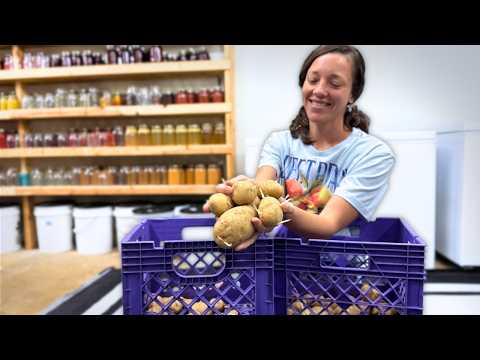
TL;DR: A late winter pantry and cold cellar tour reveals effective food preservation and storage strategies for self-sufficiency.
- Organize pantry by food type for easy access.
- Utilize canning for fruits and vegetables.
- Store dried goods in airtight containers.
- Use a cold cellar for root vegetables.
- Layer root vegetables with sawdust or sand.
Why it matters: Effective food preservation and storage are crucial for reducing food waste, maintaining food security, and supporting household self-sufficiency, especially during off-growing seasons.
Do this next: Start organizing one section of your pantry or consider canning excess produce from your garden.
Recommended for: Anyone interested in practical strategies for food preservation, self-sufficiency, and optimizing household food storage will find valuable insights.
This article provides a detailed tour of a well-stocked late winter pantry and cold cellar, offering insights into effective food preservation and storage strategies for a household focused on self-sufficiency and food security. The tour begins with the pantry, a dedicated room within the house, emphasizing its role as a central hub for dry goods and processed foods.
The pantry is organized into several key areas. Shelves are lined with home-canned goods, including a variety of fruits like peaches, pears, and applesauce, as well as vegetables such as green beans, corn, and tomatoes. The author highlights the importance of canning as a primary preservation method, noting the significant quantity of jars stored. Beyond canned goods, the pantry holds a substantial supply of dried beans, lentils, and grains, often purchased in bulk to ensure a long-term supply. These staples are stored in airtight containers to protect against pests and moisture, a crucial aspect of long-term storage.
Another section of the pantry is dedicated to baking supplies, featuring large quantities of flour, sugar, and various leavening agents. The author mentions storing different types of flour, including all-purpose, whole wheat, and specialty flours, to cater to diverse baking needs. Oils, vinegars, and other condiments are also systematically arranged, often in larger containers to reduce the frequency of repurchasing. Spices and herbs, both home-dried and commercially purchased, are kept in clearly labeled jars, ensuring easy access and freshness.
The tour then moves to the cold cellar, a separate, unheated space designed for storing produce that thrives in cooler, darker conditions. This area is crucial for extending the shelf life of root vegetables and certain fruits. The cold cellar contains large bins of potatoes, carrots, and onions, often layered with sawdust or sand to maintain optimal humidity and prevent sprouting or spoilage. Winter squash, such as butternut and acorn, are also prominently displayed, typically stored on shelves or hung in mesh bags to allow for air circulation.
Apples, another staple for cold storage, are carefully arranged, often individually wrapped or separated to prevent one spoiled apple from affecting the entire batch. The author notes the importance of selecting varieties known for their good keeping qualities. Garlic and shallots are also stored in the cold cellar, usually in braided strings or mesh bags, benefiting from the cool, dry environment.
Beyond fresh produce, the cold cellar also houses fermented foods, such as sauerkraut and kimchi, which are stored in crocks or jars. These fermented items not only offer nutritional benefits but also contribute to the household's diverse food supply. Home-cured meats, if applicable, might also find a place in such a cellar, though the article focuses more on plant-based and canned goods.
Throughout the tour, the author emphasizes the principles of organization, rotation, and pest control. Labels are consistently used to identify contents and dates, facilitating a "first-in, first-out" system to minimize waste. Regular inspections are conducted to check for any signs of spoilage or pest activity, ensuring the integrity of the stored food. The overall impression is one of meticulous planning and diligent effort, reflecting a commitment to food independence and resilience. The article effectively illustrates how a well-managed pantry and cold cellar can provide a substantial buffer against food supply disruptions and contribute significantly to a household's long-term food security.