Permaculture & Illness: The "No Rest For The Sick" Reality
By Justin Rhodes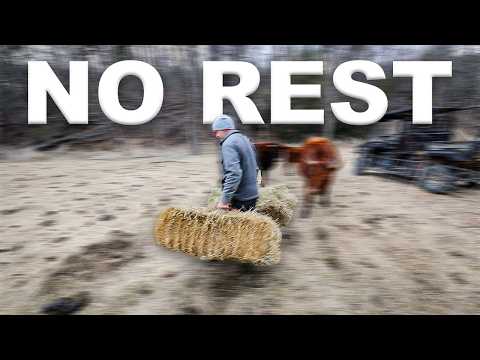
TL;DR: Self-sufficient living often prevents full rest during illness, demanding proactive planning and resilient systems to manage ongoing responsibilities.
- Illness demands continue in self-sufficient living.
- Proactive planning builds system resilience.
- Automated systems reduce illness burden.
- Support networks offer crucial assistance.
- Mental toll of working while sick is real.
Why it matters: Understanding how to maintain essential functions during illness in self-reliant systems is critical for long-term sustainability and well-being, preventing system collapse and burnout.
Do this next: Assess your current systems for vulnerability during illness and identify areas for automation or simplification.
Recommended for: Homesteaders, permaculturists, and individuals building self-reliant systems who need to plan for personal illness or family illness and maintain system functionality.
In a recent discussion, the concept of "no rest for the sick" was explored, delving into the practical challenges and philosophical implications of illness within a productive, often self-sufficient, lifestyle. The core idea presented is that when one is engaged in activities like farming, homesteading, or managing a complex household, the luxury of complete rest during illness is frequently unavailable. This isn't merely about a strong work ethic, but rather a recognition of the inherent responsibilities and interconnectedness of such systems.
The discussion highlighted that in many traditional or self-reliant settings, the well-being of animals, the maintenance of gardens, and the provision of basic necessities do not pause for human ailments. A sick individual still needs to ensure livestock are fed and watered, crops are tended, and essential household tasks are completed. This creates a unique pressure, where the usual societal expectation of taking time off to recover is often superseded by the immediate demands of the environment.
Several practical strategies for navigating illness in these circumstances were implicitly or explicitly discussed. One key aspect is proactive planning and preparation. This involves establishing systems that are resilient even when the primary caregiver is incapacitated. Examples might include automated watering systems, pre-portioned animal feed, or a well-stocked pantry that minimizes the need for external trips. The importance of having a support network was also subtly emphasized. While not always explicitly stated, the ability to call upon a neighbor, family member, or community member for assistance during a period of illness can be invaluable, acting as a crucial safety net.
The discussion also touched upon the mental and emotional toll of this "no rest" reality. There can be a significant psychological burden associated with feeling compelled to work through illness, potentially prolonging recovery or exacerbating symptoms. This can lead to feelings of guilt or inadequacy if one is unable to meet their usual standards of productivity. The importance of self-compassion and realistic expectations, even within a demanding lifestyle, was an underlying theme.
Furthermore, the conversation implicitly explored the concept of resilience – not just in the systems being managed, but in the individual themselves. Developing a robust immune system through healthy living, understanding one's body, and knowing when to push and when to truly rest (even if it's a compromised form of rest) becomes paramount. The discussion suggested that this lifestyle often fosters a deeper connection to one's physical well-being, as the consequences of neglecting health are more immediately apparent.
In essence, "no rest for the sick" is not a punitive statement, but rather a descriptive observation of a particular way of life. It underscores the continuous nature of responsibility in self-sufficient or highly integrated systems and the adaptive strategies individuals develop to manage illness within these contexts. It highlights the interplay between personal health, environmental demands, and the practicalities of maintaining a thriving homestead or similar endeavor.