Brilliant Outdoors: Mastering Landscape Lighting Design
By Ricardo Orlando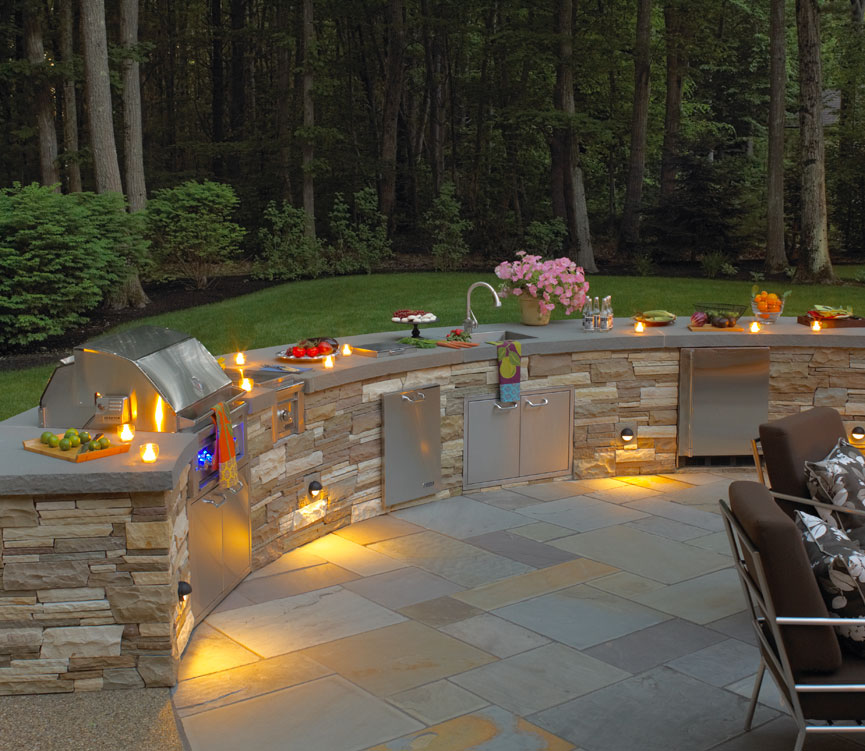
PermaNews Brief
Key Takeaways
Strategic outdoor lighting enhances aesthetics and safety, using diverse fixtures and placement techniques for optimal effect.
- Understand diverse light fixture types and their applications.
- Layered lighting creates depth and visual interest.
- Uplighting and downlighting offer distinct atmospheric effects.
- LEDs are energy-efficient and a favored outdoor option.
Why It Matters
Thoughtful outdoor lighting significantly improves the usability, beauty, and safety of any landscape, extending enjoyable time outdoors.
What to Do Next
Assess your existing outdoor spaces to identify areas needing improved illumination for safety, ambiance, or highlighting features.
Recommended for: Homeowners, landscape designers, and anyone looking to enhance their outdoor spaces with effective and beautiful lighting solutions.
Effective outdoor illumination plays a crucial role in elevating a landscape's aesthetic appeal and practical utility. A well-conceived design is essential to strike a harmonious balance between these two aspects.
A foundational element in outdoor lighting involves understanding the diverse types of light fixtures and their appropriate applications. For instance, path lights are indispensable for illuminating walkways and driveways, ensuring safe navigation and preventing accidents. These fixtures typically emit a downward glow, highlighting the path without causing excessive glare. In contrast, spotlights are specifically engineered to draw attention to particular features within the landscape, such as a prominent tree, a piece of garden art, or an architectural detail of a building. They project a concentrated beam of light, effectively emphasizing these elements. Floodlights, on the other hand, provide a broader, more diffused illumination, making them suitable for lighting larger areas like patios, decks, or the entire facade of a house. Their wider light spread contributes to a general sense of brightness and security.
Beyond the individual characteristics of fixture types, the strategic placement of lights is of paramount importance. Employing layered lighting is a key technique, which involves utilizing multiple light sources at varying heights and intensities to create depth and visual interest. This can encompass uplighting, where fixtures are positioned at the base of an object to project light upwards, generating dramatic shadows and accentuating textures. Conversely, downlighting involves placing lights at higher elevations, such as within trees or on eaves, to cast a gentle, moon-like radiance over an area. This method can be particularly effective in cultivating a soft, ambient atmosphere.
Consideration of the light source itself is also a significant factor. LED lighting has emerged as a favored option for outdoor applications due to its energy efficiency, extended lifespan, and robust durability. LEDs consume considerably less power than conventional incandescent bulbs, resulting in lower electricity costs and a reduced environmental footprint. Their prolonged operational life translates to less frequent bulb replacements, which is especially advantageous for fixtures that are difficult to access. Furthermore, LEDs are available in a wide spectrum of color temperatures, allowing for customization of the light's mood and warmth. Warmer color temperatures (indicated by lower Kelvin values) tend to foster a more inviting and cozy ambiance, while cooler temperatures (higher Kelvin values) can impart a brighter, more contemporary feel.
Smart lighting systems introduce an additional layer of control and convenience. These systems frequently enable users to manage lights remotely via a smartphone application, establish schedules for automatic activation and deactivation, and even adjust brightness and color. Some advanced systems can integrate with motion sensors, activating lights only when movement is detected, thereby enhancing security and conserving energy. This level of automation can significantly improve the user experience and optimize energy consumption.
When developing an outdoor lighting plan, it is also crucial to consider the potential impact on neighbors and local wildlife. Minimizing light pollution is a responsible practice. This involves directing light downwards whenever feasible, utilizing fixtures equipped with shields or baffles to prevent light spill, and selecting appropriate light intensities. Excessively bright or improperly directed lights can be disruptive to neighboring properties and disorienting to nocturnal animals.
Finally, the overall aesthetic of the lighting should complement the architectural style of the residence and the natural elements of the landscape. Fixtures themselves are available in a diverse range of styles, from traditional to contemporary, and selecting those that harmonize with the existing design can enhance the overall visual appeal. The objective is to cultivate a cohesive and inviting outdoor environment that is both beautiful and functional, extending the usability and enjoyment of the outdoor space well into the evening hours.
Source: urbanfarmonline.com
Related Analysis
- Homeowners Retrofit Properties with Renewable Energy Solutions — Renewable energy retrofitting gains traction as regenerative agriculture principles inform home upgrades. Experts point …
- New Practices Build Climate-Resilient Cob Homes — Cob construction emerges as a key strategy in enhancing resilience against ecological challenges in permaculture systems…
Related on PermaNews
- German ShadeCut Solar Tiles: 95% Power, Seamless Look (Article)
- Passive House Case Studies: Sustainable Design Warriors 2 (Video)
- Passive House Network: Sunflower Sanctuary, Louisville, CO (Case Study)
- Efficient Earth-Sheltered Homes (How-To Guide)
- Boost Aussie Home Efficiency: Thermal Mass Design Rules (How-To Guide)
- First Passive House Design: 10 Steps for Success (PHPP) (How-To Guide)
Explore more in Shelter, Energy & Infrastructure — the full hub for this knowledge area.