Native Wisdom: 3 Sisters Garden & Indigenous Permaculture
TL;DR: Indigenous agricultural methods like the Three Sisters Garden offer sustainable solutions for modern farming, enhancing soil health, biodiversity, and ecosystem resilience.
- Indigenous methods boost soil health and biodiversity.
- Three Sisters Garden is a prime example of polyculture.
- Polyculture mimics natural ecosystems for efficiency.
- Practices like seed saving ensure long-term sustainability.
- Indigenous farming informs modern regenerative agriculture and permaculture.
Why it matters: These traditional practices provide a blueprint for addressing contemporary agricultural challenges like soil degradation and climate change, offering practical ways to improve food systems.
Do this next: Research local Indigenous agricultural practices relevant to your region and consider incorporating one into your garden or farm design.
Recommended for: Gardeners, farmers, and permaculture enthusiasts interested in sustainable food systems and traditional ecological knowledge.
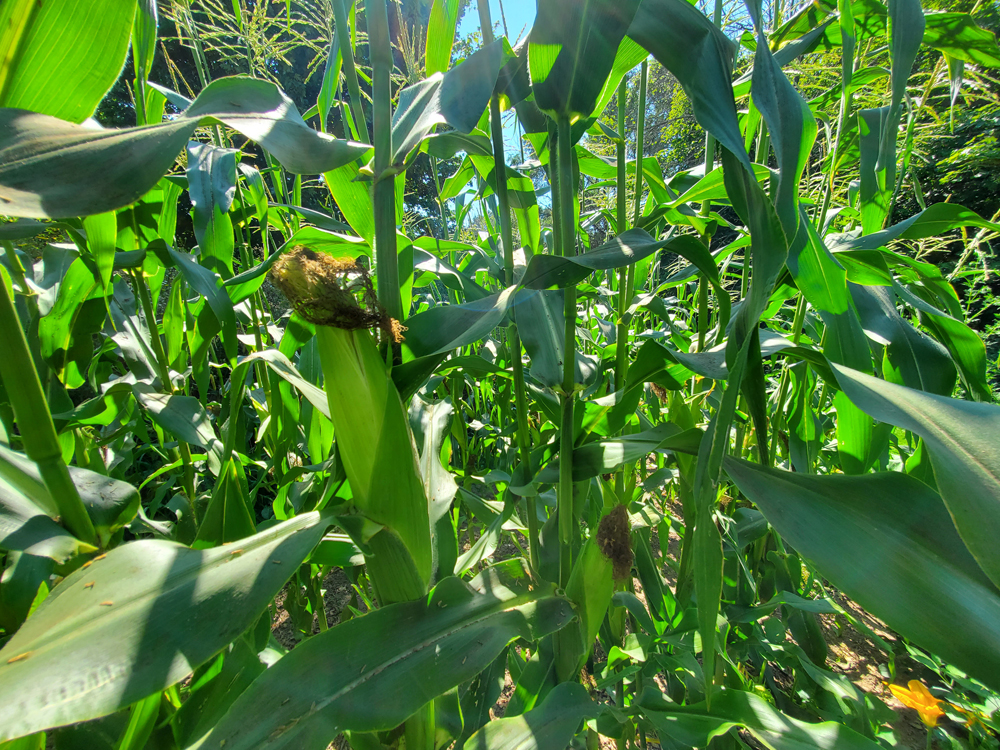
Celebrating Indigenous Peoples’ Month in November underscores Native American contributions to gardening and agriculture. The renowned 'Three Sisters Garden' exemplifies intercropping, polyculture, and companion planting with corn, beans, and squash. Practiced by Wampanoag, Cherokee, and Iroquois peoples, corn stalks support climbing beans, which fix nitrogen in the soil. Squash shades the ground as living mulch, conserving moisture and suppressing weeds.
This method mirrors natural ecosystems, using nutrients, light, and water more efficiently than monocultures, which deplete soils. According to the National Farmers Union (NFU), such polycultures underpin modern regenerative agriculture. Permaculture, another Indigenous-influenced system, mimics natural patterns for productive, sustainable yields. It leverages local environmental understanding, with northeastern and midwestern Natives planting nitrogen-fixing legumes like beans to bolster soil health.
Additional practices include crop rotation and seed saving, enabling cultivation of food, medicine, fuel, construction materials, tools, fiber, dyes, glue, and more. These techniques maintain fertile soils, protect biodiversity—including plants, animals, birds, insects, and pollinators—and promote long-term land stewardship. Historical context reveals their role in sustaining communities pre-colonization.
Contemporary relevance grows amid soil degradation and climate threats. Reviving Three Sisters reduces chemical needs, enhances nutrition, and builds resilience. NFU highlights polyculture's efficiency in resource use. Permaculture's holistic design integrates ethics of earth care, people care, and fair share. Native innovations continue, adapting to modern contexts while preserving traditions. Gratitude for these practices emphasizes their global value in fostering sustainable food systems that honor nature's interconnectedness.