Urban Abundance: City Permaculture Food Forest Thrives!
By Happen Films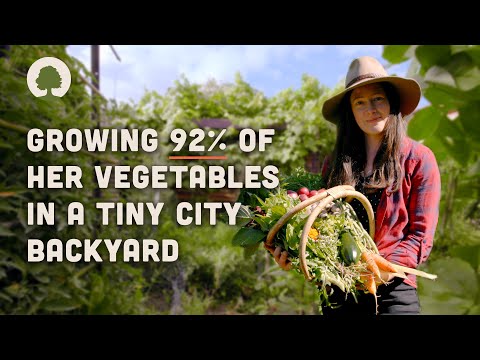
TL;DR: An urban garden epitomizes permaculture principles, transforming a city plot into a productive food system through smart design and ecological practices.
- Urban plots can yield abundant food.
- Biodiversity boosts garden resilience.
- Water harvesting reduces reliance on municipal supply.
- Mulching improves soil and conserves water.
- Composting enriches garden soil on-site.
Why it matters: Urban permaculture offers a viable path to local food security and sustainable living within city limits, reducing environmental impact and promoting self-sufficiency.
Do this next: Explore rainwater harvesting methods suitable for your home to reduce water consumption in your garden.
Recommended for: Urban dwellers, aspiring permaculturalists, and anyone looking to maximize food production in small spaces with ecological consideration.
This article highlights a remarkable urban permaculture garden, demonstrating how a small city plot can be transformed into a highly productive food-growing system. The garden, situated in a residential area, showcases the principles of permaculture in action, yielding a significant amount of food for its inhabitants and even some surplus.
The garden's design emphasizes biodiversity and ecological integration. Instead of traditional rows of single crops, the space features a polyculture approach, where various plants are grown together in beneficial relationships. This includes a mix of vegetables, fruits, herbs, and edible flowers, all contributing to a resilient and self-regulating ecosystem. The article notes the strategic placement of plants to maximize sunlight exposure, minimize water usage, and deter pests naturally. For instance, taller plants provide shade for understory crops, while certain herbs are interplanted to repel insects that might otherwise damage vegetables.
Water management is a crucial element of this urban permaculture system. The garden incorporates rainwater harvesting techniques, utilizing barrels and other collection methods to capture precipitation from rooftops and impervious surfaces. This collected water is then used for irrigation, significantly reducing reliance on municipal water supplies. Furthermore, the garden employs mulching extensively. Layers of organic material, such as wood chips, straw, and leaves, are applied to the soil surface. This mulch helps retain soil moisture, suppress weeds, regulate soil temperature, and gradually break down to enrich the soil with organic matter.
Soil health is a cornerstone of the garden's success. The article details the continuous efforts to build and maintain fertile soil through composting. All organic waste generated from the garden and household, including kitchen scraps and plant trimmings, is composted on-site. This compost is then returned to the garden beds, replenishing nutrients and improving soil structure. The absence of synthetic fertilizers and pesticides is a key permaculture principle observed here, fostering a healthy microbial community in the soil and ensuring the produce is free from chemical residues.
The garden also demonstrates clever space utilization. Vertical gardening techniques are employed to maximize growing area in a confined urban setting. Trellises, arbors, and hanging planters are used to grow climbing plants like beans, cucumbers, and certain fruits, effectively expanding the garden's footprint upwards. This innovative use of vertical space allows for a greater diversity and quantity of crops to be grown within the limited ground area.
Beyond food production, the garden serves as a habitat for beneficial insects and local wildlife. The diverse plant life attracts pollinators like bees and butterflies, which are essential for fruit and vegetable production. The presence of various flowering plants provides nectar and pollen sources, supporting these crucial ecosystem services. The article also subtly implies the garden's role in creating a more pleasant and green urban environment, contributing to local biodiversity and aesthetic appeal.
In essence, this urban permaculture garden exemplifies how ecological principles can be applied in a city context to create a highly productive, sustainable, and resilient food system. It showcases the potential for individuals to grow a substantial amount of their own food, reduce their environmental footprint, and contribute to a healthier local ecosystem, even within the constraints of an urban environment.