Eden Method: Wood Chip Gardening for Water Saving
PermaNews Brief
Key Takeaways
Wood chip gardening, inspired by the Back to Eden method, uses wood chip mulch to build soil, conserve water, and grow food sustainably.
- Apply 6-12 inches of fresh wood chips.
- No-dig approach preserves soil biology.
- Reduces irrigation needs by up to 90%.
- Suppresses weeds and controls pathogens.
- Sources free chips from local arborists.
- Ideal for vegetables, orchards, and homesteads.
Why It Matters
This method offers a practical way to transform waste into a resilient, productive garden, significantly reducing water use and chemical reliance.
What to Do Next
Contact local arborists for free wood chips and start a small test patch in your garden.
Recommended for: Home gardeners, small-scale farmers, and homesteaders seeking resilient, low-input food production systems.
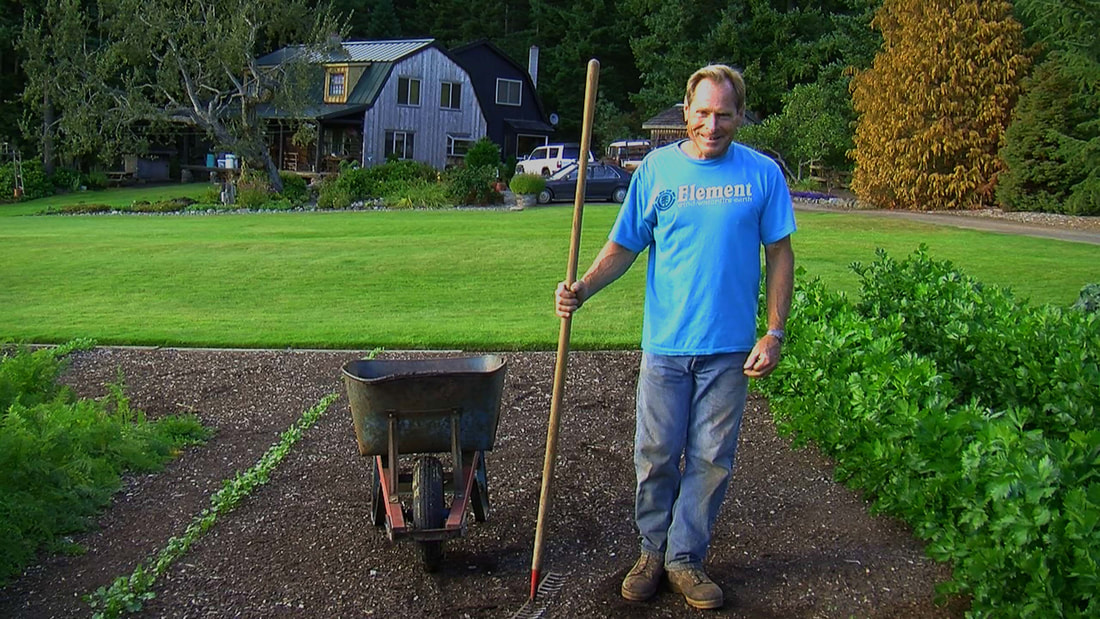
Back to Eden Gardening is a no-dig regenerative method using fresh wood chip mulch from tree pruning waste to conserve water, regenerate soil, and enable sustainable permaculture food production on small scales. The technique sources 90% needles, leaves (nitrogen-rich), and branches (carbon-rich) from local trimmings, creating an ideal composting mulch ratio. Application: lay 6-12 inches thick over prepared soil in vegetable gardens and orchards, avoiding tillage to preserve biology. Benefits include dramatic water retention (reducing irrigation by up to 90%), weed suppression, pathogen control, and soil organic matter buildup through fungal decomposition. Documented results: thriving crops in arid conditions, climate resilience without pesticides, and self-sufficiency by transforming waste into fertility. Practical steps: acquire free chips from arborists; spread evenly for full coverage; allow natural composting over 1-2 seasons; integrate with companion planting for biodiversity. Unlike conventional mulches, wood chips improve structure, enhance microbial life, and yield higher production. This permaculture staple supports regenerative living by minimizing inputs, maximizing outputs from local resources, and building drought-proof soils. Real-world implementations show robust gardens resilient to extremes, with lessons on material freshness for optimal breakdown. Provides concrete, replicable protocol for homesteaders seeking resilience and abundance through ecosystem emulation.
Source: backtoedenfilm.com
Related Analysis
- Rainforest Alliance Launches Certification Tied to Soil Results — A developing direction in regenerative ag certifications demands measurable soil outcomes, not just practice adoption. R…
- Campbell's Corporate Grants Push Farmers Into Regenerative Trials — Campbell's Grower Grants are funding real-acre regenerative trials, offering a corporate-backed mechanism for on-farm ex…
Related on PermaNews
- Ernst Götsch's Cacao Syntropy: Master Agroforestry Now (How-To Guide)
- Finnish Off-Grid: Rocket Mass Heater Performance in Greenhouse (Case Study)
- Berlins schwimmende Gärten: Permakultur auf dem Wasser (Case Study)
- Rodale Report 2025: Thermal Mass Boost in Solar Greenhouses (Case Study)
- AUTarcaMatricultura La Palma: Permakultur & Energieautarkie (How-To Guide)
- Finca Bellavista: Costa Rica's 200-Acre Water System Innovation (Case Study)
Explore more in Food Systems & Growing — the full hub for this knowledge area.