Bandsaw Mastery for DIYers: Precision Woodworking Tips
By Ricardo Orlando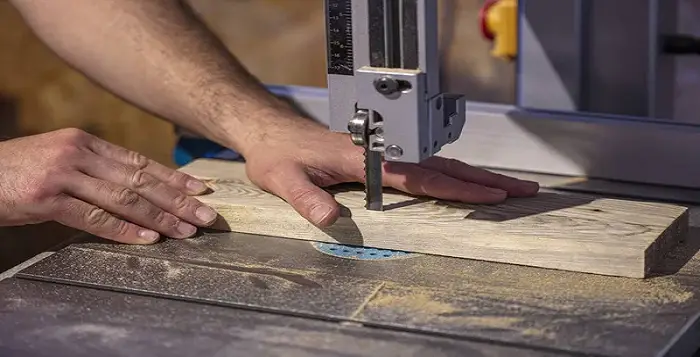
PermaNews Brief
Key Takeaways
Mastering bandsaw use involves selecting the right tool and blade, meticulous setup, and strict adherence to safety for precise woodworking.
- Choose bandsaw based on motor power and throat capacity.
- Ensure correct blade installation and tensioning for safety.
- Adjust blade guides to support the blade and prevent twisting.
- Select blade width and TPI according to cut type and material.
- Prioritize safety with PPE and secure clothing/hair.
- Square table to blade for most cuts, angle for bevels.
Why It Matters
Effective bandsaw operation significantly enhances woodworking project quality and expands creative possibilities for DIY enthusiasts.
What to Do Next
Before your next project, review your bandsaw’s manual to confirm correct blade tensioning and guide adjustment procedures.
Recommended for: DIY woodworkers looking to expand their capabilities and achieve high-precision cuts in various woodworking projects.
Bandsaws are a valuable asset in a woodworking shop, known for their adaptability and ability to make precise cuts. For DIY enthusiasts, understanding how to effectively operate this tool can significantly enhance the quality and scope of their projects. The process begins with selecting the appropriate bandsaw, considering factors like motor power, throat capacity, and the type of work it will primarily be used for. A more powerful motor is beneficial for cutting thicker or harder materials, while throat capacity dictates the maximum width of material that can be cut.
Once a bandsaw is chosen, proper setup is crucial for both safety and accuracy. This involves ensuring the blade is correctly installed and tensioned. The blade tension should be sufficient to prevent flexing during a cut but not so tight as to stress the machine or the blade itself. Blade guides, both above and below the work table, need to be adjusted to be just barely touching the blade, providing support and preventing it from twisting. The table itself should be square to the blade for most cuts, though it can be angled for bevel cuts.
Selecting the right blade for the task is equally important. Bandsaw blades come in various widths, tooth counts per inch (TPI), and materials. Wider blades are generally better for straight cuts and resawing, offering more stability. Narrower blades excel at intricate curves and detailed work. A lower TPI is suitable for faster cuts in thicker materials, while a higher TPI provides a smoother finish in thinner stock. The material of the blade, such as carbon steel or bi-metal, also influences its durability and cutting performance on different wood types.
Safety protocols are paramount when operating a bandsaw. Always wear appropriate personal protective equipment, including safety glasses to protect against flying debris and hearing protection to mitigate noise. Loose clothing, jewelry, and long hair should be secured to prevent entanglement with the moving blade. Before making any cut, ensure the workpiece is stable and properly supported. Never force the wood through the blade; allow the blade to do the work at its own pace. Keep hands clear of the blade's path and use push sticks or featherboards when necessary to maintain control and distance from the cutting edge.
Mastering various cutting techniques expands the bandsaw's utility. Straight cuts are fundamental, often aided by a fence to ensure accuracy. Resawing, the process of cutting a thick piece of lumber into thinner boards, is a common bandsaw application that requires a tall fence and a steady feed rate. Curve cutting, from gentle arcs to tight radii, is where the bandsaw truly shines, allowing for intricate designs that are difficult to achieve with other tools. For repetitive cuts, jigs and fixtures can be custom-made to improve efficiency and consistency.
Regular maintenance is essential for prolonging the life of the bandsaw and ensuring its continued performance. This includes routinely checking blade tension, cleaning sawdust buildup from the guides and wheels, and lubricating moving parts as recommended by the manufacturer. A well-maintained bandsaw operates more smoothly, produces cleaner cuts, and is safer to use. By adhering to these guidelines, DIY woodworkers can confidently utilize their bandsaw to achieve precise results and expand their creative possibilities.
Source: urbanfarmonline.com
Related Analysis
- Homeowners Retrofit Properties with Renewable Energy Solutions — Renewable energy retrofitting gains traction as regenerative agriculture principles inform home upgrades. Experts point …
- New Practices Build Climate-Resilient Cob Homes — Cob construction emerges as a key strategy in enhancing resilience against ecological challenges in permaculture systems…
Related on PermaNews
- Roof Replacement: Optimal Season for Your Home (Article)
- Timber Window Care: 10 Essential Maintenance Tips (Article)
- Dream She Sheds: Craft Your Perfect Personal Oasis (Article)
- Matcha: Health Benefits, Uses, & Why It Outshines Other Green Teas (Article)
- Ivory Composite Decking: Top Aesthetic & Practical Choice? (Article)
- Tech Solutions Curb Pet Overpopulation (Article)
Explore more in Shelter, Energy & Infrastructure — the full hub for this knowledge area.