MODULE 4: 2-Second Life of Batteries
By Şener KARABULUT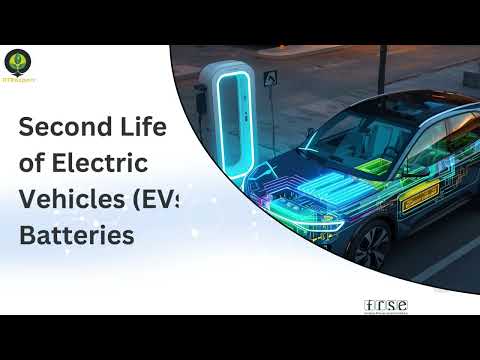
PermaNews Brief
Key Takeaways
Used EV batteries can have a second life through repurposing or recycling.
- EV batteries can be evaluated for second life
- Repurposing aids in renewable energy integration
- Recycling recovers valuable materials
- Second-life systems serve multiple energy needs
- Fast-responding, low-cost energy solutions available
Why It Matters
Understanding the lifecycle of batteries can enhance renewable energy storage options, promote sustainability, and reduce waste.
What to Do Next
Explore the second-life battery process in your projects.
Permaculture Context
For anyone designing off-grid or hybrid energy systems on a homestead or intentional community, second-life EV batteries represent a genuinely practical shift in what's financially accessible. For years, the limiting factor in solar buildouts hasn't been panels — it's been storage. New lithium battery banks capable of handling serious loads have remained expensive enough to push many practitioners toward undersized systems or costly lead-acid compromises. Second-life batteries, properly screened and integrated, close that gap without requiring new resource extraction. From a permaculture design standpoint, this aligns cleanly with the principle of cycling energy and materials through multiple uses before they leave the system. The implication is concrete: as EV adoption accelerates, a growing supply of capable, tested battery packs will become available at lower cost, making robust energy autonomy more achievable for small farms, food forests, community hubs, and off-grid households. The practitioners who will benefit most are those who build relationships now with reputable second-life suppliers and develop the technical literacy to evaluate state-of-health data — because the opportunity is real, but it rewards preparation.
Recommended for: Individuals and organizations interested in sustainable energy solutions.
This video presents a practical overview of the second-life battery lifecycle, explaining how used EV batteries can be evaluated, repurposed, and redeployed in less demanding energy systems. It is useful for readers who want an operational view of the process rather than a purely policy or marketing discussion. The video describes the main pathways after first use: repurposing into stationary energy storage systems or backup power units, or recycling to recover valuable raw materials. It then walks through the collection stage, where retired EV batteries are removed and transported to authorized treatment centers or other capable facilities. A key technical step is screening, during which engineers assess battery chemistry, voltage, energy capacity, state of health, and remaining useful life to determine whether a battery can be reused directly or must be recycled. The video emphasizes that second-life battery energy storage systems can act as energy buffers, storing excess renewable generation and releasing it when needed, which makes them relevant for solar and wind integration, peak shaving, and backup applications. It also notes that these systems are fast-responding, reliable, and relatively low-cost compared with alternatives, especially when high power output is needed. For practitioners, the most concrete value of the video is its process orientation: it shows that second-life storage is not a vague sustainability concept but a workflow involving collection, testing, reassembly, and deployment into defined use cases. This makes it particularly relevant for off-grid energy planners, microgrid designers, and organizations evaluating whether repurposed batteries can serve in renewable support or backup roles.
Source: youtube.com
Related Analysis
- German Pilot Projects Wire Greywater Loops Into Off-Grid Settlements — Several German pilot projects are integrating decentralized greywater loops at build time. A Fraunhofer study reports 95…
- A PHI-Certified Tiny Home Breaks With Rocket Stove Convention — Early field cases pair rocket mass heaters with PHI certification and earthship thermal mass — a low-evidence but techni…
Explore more in Shelter, Energy & Infrastructure — the full hub for this knowledge area.