Cool Season Prep: Garden Patch Tips for Organic Success
By Leanne Croker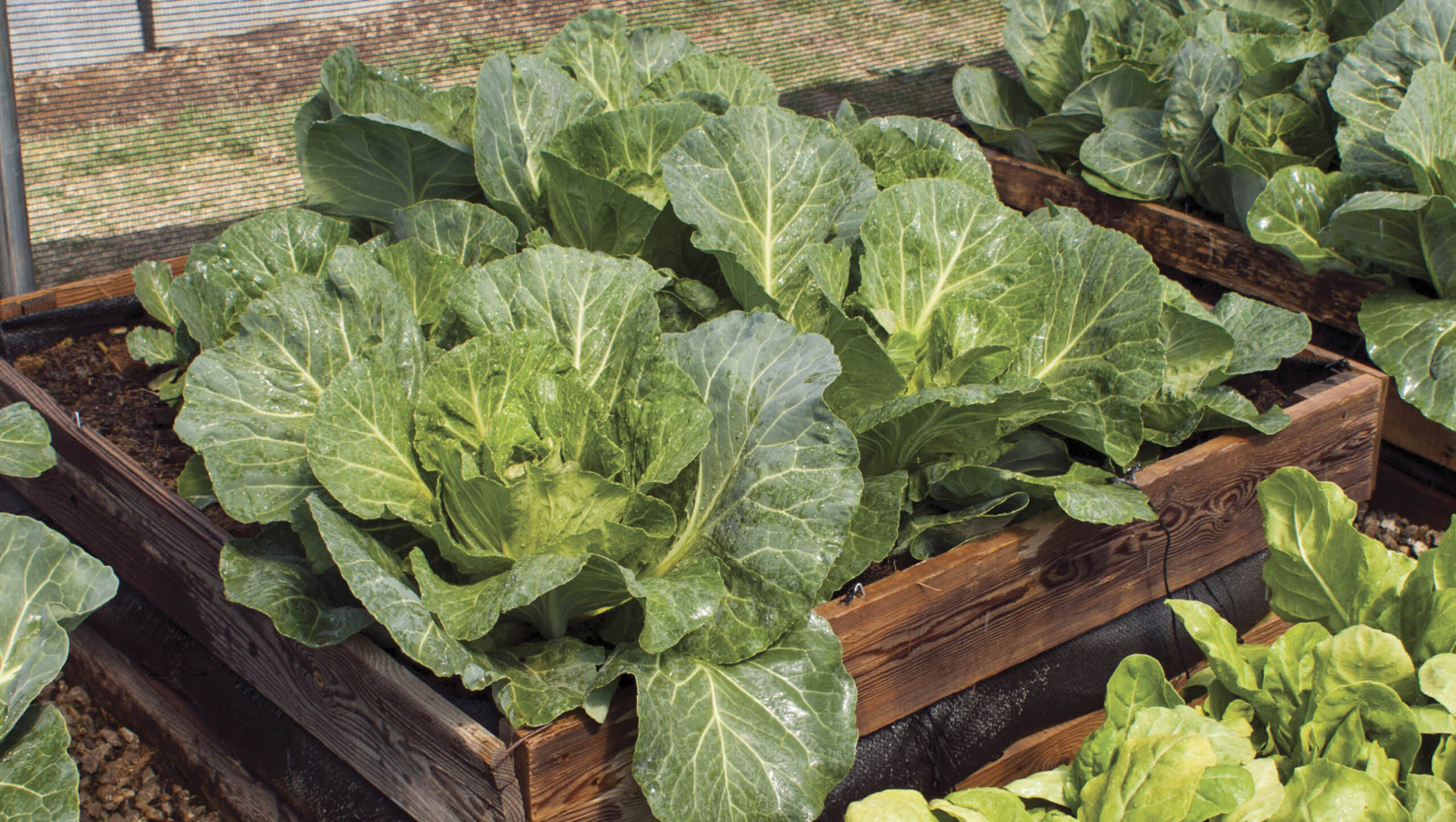
TL;DR: Transitioning your garden for cooler weather requires careful planning to ensure a bountiful harvest of winter vegetables.
- Manage soil temperature for optimal germination.
- Select crops suited for shorter daylight hours.
- Adjust watering to cooler conditions.
- Plan garden layout for sun exposure.
Why it matters: Preparing your garden effectively for the cooler months ensures continued productivity, healthy plant growth, and a consistent supply of fresh produce.
Do this next: Start seeds indoors for cool-season crops to bypass warm soil temperatures.
Recommended for: Home gardeners looking to successfully transition their vegetable patches for continuous cool-season harvests.
As the warmer months conclude, gardeners are encouraged to begin preparations for cultivating cool-season vegetables. This transitional period, often referred to as the tail end of summer, presents a unique set of considerations for successful winter gardening. While the urge to plant cool-season crops might be strong, understanding the specific challenges and opportunities of this time is crucial for maximizing yields and ensuring plant health.
One primary challenge during this transition is the lingering warmth. Although days may be shortening, soil temperatures can remain elevated for some time, which can be detrimental to cool-season crops that prefer cooler conditions for germination and early growth. High soil temperatures can lead to poor germination rates or cause young seedlings to bolt prematurely, meaning they flower and produce seeds before developing substantial foliage or roots. To mitigate this, gardeners might consider strategies such as starting seeds indoors in a cooler environment or utilizing shade cloth to reduce direct sun exposure on newly planted areas.
Another significant factor is the decreasing daylight hours. Cool-season vegetables, while tolerant of lower temperatures, still require adequate light for photosynthesis. As autumn progresses, the intensity and duration of sunlight diminish, which can slow down plant growth. Therefore, it's beneficial to plant cool-season crops that have a relatively short maturity period or are known to tolerate lower light levels. Planning the garden layout to ensure maximum sun exposure for these plants is also important.
Water management also shifts during this period. While summer gardens often require frequent watering due to evaporation, the cooler temperatures and potentially increased rainfall of autumn mean that watering needs may decrease. However, consistent moisture is still vital for germination and the establishment of young plants. Overwatering can lead to root rot, especially in cooler, less evaporative conditions. Monitoring soil moisture levels carefully and adjusting watering schedules accordingly is key.
Pest and disease pressures can also change with the seasons. Some summer pests may linger, while new cool-season pests might emerge. Vigilance and appropriate organic pest control methods remain important. Similarly, certain fungal diseases thrive in cooler, damp conditions, so ensuring good air circulation around plants and avoiding overhead watering can help prevent issues.
Beyond these challenges, the transition period offers distinct advantages. The soil, having been worked and amended during the summer, is often in good condition. Residual nutrients from previous crops can still be available. Furthermore, planting cool-season crops at this time allows them to establish strong root systems before the coldest parts of winter arrive, making them more resilient to frost and extreme temperatures.
Selecting appropriate cool-season crops is paramount. Vegetables such as kale, spinach, lettuce, broccoli, cabbage, carrots, and various root vegetables are excellent choices. Understanding the specific needs of each crop, including their preferred soil type, pH, and nutrient requirements, will contribute to a successful harvest. Soil testing can provide valuable insights into nutrient deficiencies or imbalances that need to be addressed.
Finally, preparing the garden patch involves more than just planting. Amending the soil with compost and other organic matter improves soil structure, fertility, and water retention, which are all beneficial for cool-season crops. Clearing out spent summer plants helps prevent the carryover of pests and diseases. Planning for potential frost protection, such as row covers or cloches, can extend the harvesting period well into winter. By proactively addressing these considerations, gardeners can transform their patches into productive havens for cool-season vegetables, ensuring a continuous supply of fresh produce even as temperatures drop.