Urban Oasis Tiny Home: Sarah's $20K Sustainable Build
By Living Big In A Tiny House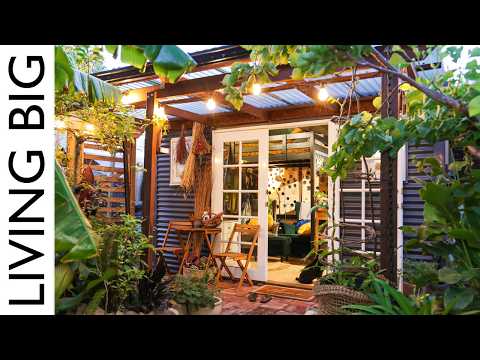
TL;DR: Sarah built a $20,000 tiny home in an urban permaculture garden, demonstrating affordable and sustainable living principles by using reclaimed materials and integrating her dwelling into an edible landscape.
- Tiny homes offer affordable, sustainable housing solutions.
- Reclaimed materials significantly cut construction costs.
- Urban permaculture gardens boost food independence.
- Integrated design creates symbiotic living spaces.
- Skillful design maximizes small footprint functionality.
Why it matters: This project showcases a practical model for sustainable urban living, blending affordable housing with productive green spaces to address contemporary challenges of cost of living and environmental impact.
Do this next: Explore local resources for reclaimed building materials and permaculture design principles to apply to your own living situation.
Recommended for: Individuals interested in affordable, sustainable urban living through tiny homes and permaculture.
The article details the journey of a woman named Sarah who constructed a tiny home for approximately $20,000 within an urban permaculture garden. Her motivation stemmed from a desire for affordable housing and a lifestyle that aligned with her values of sustainability and community. Sarah, a landscape designer by profession, leveraged her expertise to not only design her compact dwelling but also to integrate it seamlessly into a thriving urban ecosystem.
The tiny home itself is a testament to resourceful building practices. It measures roughly 200 square feet and was primarily built using reclaimed and recycled materials, significantly contributing to its low cost. Sarah meticulously sourced items like windows, doors, and even structural timber from demolition sites, online marketplaces, and community donations. This approach not only reduced expenses but also minimized the environmental impact of construction. The interior design prioritizes functionality and comfort, featuring a compact kitchen, a small living area, a lofted sleeping space, and a composting toilet. Natural light and ventilation are maximized through strategically placed windows and a thoughtful layout, creating an airy and inviting atmosphere despite the limited footprint.
Beyond the structure itself, the most remarkable aspect of Sarah's project is its integration into an urban permaculture garden. This garden, which she also designed and maintains, is a vibrant example of regenerative agriculture in a city setting. It features a diverse array of edible plants, including fruit trees, vegetables, and herbs, all cultivated using permaculture principles such as companion planting, water harvesting, and soil building. The garden provides a significant portion of Sarah's food, reducing her reliance on external food systems and further lowering her living expenses. It also serves as a habitat for local wildlife, contributing to urban biodiversity.
The permaculture garden is not merely a food source; it is an integral part of Sarah's lifestyle and a key element of her tiny home's infrastructure. Rainwater is collected from the tiny home's roof and directed into the garden for irrigation, demonstrating a closed-loop system for water management. Greywater from the sink and shower is filtered and reused for non-potable purposes within the garden, further conserving water resources. The composting toilet provides nutrient-rich material for the garden, completing another cycle of resource utilization.
Living in this urban oasis has allowed Sarah to cultivate a strong sense of community. The garden often becomes a gathering space for friends, neighbors, and fellow permaculture enthusiasts, fostering connections and sharing knowledge. This communal aspect is a vital component of the permaculture philosophy, emphasizing collaboration and mutual support. Sarah's project serves as an inspiring example of how individuals can create sustainable, affordable, and fulfilling lives even within dense urban environments. It highlights the potential of tiny homes combined with permaculture principles to address contemporary challenges related to housing affordability, environmental sustainability, and community building. Her story underscores the power of intentional design and resourceful living to create a harmonious relationship between human habitation and the natural world.