Grow Artemisia Annua: Permaculture Medicinal Herb Guide
By Permaculture facile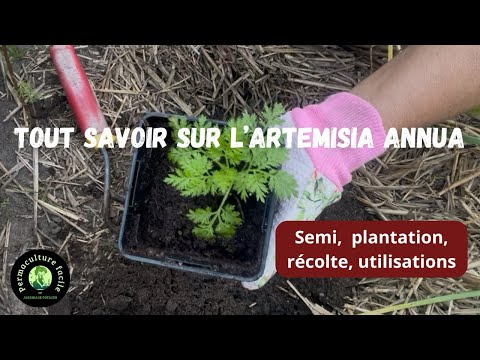
TL;DR: Cultivate Artemisia annua, an easy-to-grow medicinal plant, by starting seeds indoors and transplanting to a sunny spot.
- Start seeds indoors in late winter for best results.
- Surface-sow seeds; they need light to germinate.
- Maintain consistent moisture and warm temperatures initially.
- Harden off seedlings before transplanting outside.
- Plant in full sun with well-drained soil.
Why it matters: Growing Artemisia annua can provide a readily available source of a medicinal herb with potential health benefits, integrating well into permaculture systems.
Do this next: Begin germinating *Artemisia annua* seeds indoors in late winter for an early start.
Recommended for: Home gardeners and permaculture practitioners interested in cultivating medicinal herbs.
This article provides a comprehensive guide to cultivating *Artemisia annua*, also known as sweet wormwood or annual wormwood, a medicinal plant gaining recognition for its potential health benefits, particularly in the context of permaculture. The plant is relatively easy to grow, making it a suitable addition to various garden settings.
The cultivation process begins with seed sowing. *Artemisia annua* seeds are quite small, so a careful approach is recommended. It's best to start them indoors in trays or pots filled with a light, well-draining seed-starting mix. The ideal time for sowing is in late winter or early spring, typically around February or March, to allow the seedlings sufficient time to establish before transplanting outdoors. The seeds require light for germination, so they should be surface-sown and gently pressed into the soil rather than buried deeply. A fine layer of vermiculite can be lightly sprinkled over them to maintain moisture without inhibiting light penetration. Maintaining consistent moisture is crucial during this stage, which can be achieved by misting the soil surface regularly or by using a humidity dome. Optimal germination temperatures are around 20-25°C (68-77°F). Germination usually occurs within one to two weeks.
Once the seedlings have developed a few true leaves and are robust enough to handle, they can be pricked out and transplanted into individual pots. This allows them more space to grow and develop a stronger root system. During this hardening-off period, it's important to gradually acclimate them to outdoor conditions by exposing them to increasing periods of sunlight and cooler temperatures over a week or two before final transplanting.
*Artemisia annua* thrives in full sun, requiring at least six to eight hours of direct sunlight daily for optimal growth and medicinal compound production. It prefers well-drained soil and is not particularly fussy about soil type, though a moderately fertile loam is ideal. While it can tolerate a range of soil pH, a slightly acidic to neutral pH (6.0-7.0) is generally preferred. Good air circulation is also beneficial to prevent fungal diseases.
When transplanting outdoors, space the plants about 30-45 cm (12-18 inches) apart to allow for adequate growth and air circulation. While the plant is relatively drought-tolerant once established, consistent watering is important during dry spells, especially when the plants are young. However, it's crucial to avoid overwatering, as this can lead to root rot.
The plant can grow quite tall, reaching heights of 1.5 to 2 meters (5-6.5 feet) in ideal conditions, developing a bushy habit with finely dissected, aromatic leaves. It produces small, yellowish-green flowers in late summer to early autumn.
Harvesting *Artemisia annua* for medicinal purposes typically focuses on the aerial parts of the plant, particularly the leaves and flowering tops, as these contain the highest concentration of artemisinin, the primary active compound. The optimal time for harvest is just before or during the early flowering stage, when the plant's medicinal properties are at their peak. This usually occurs from late summer through early autumn, depending on the climate.
To harvest, cut the stems about 15-20 cm (6-8 inches) from the ground, leaving some growth to encourage potential regrowth or to allow the plant to go to seed for future propagation. The harvested material should be dried promptly to preserve its medicinal qualities and prevent mold. This can be done by hanging bundles of stems in a well-ventilated, dark, and dry area, or by spreading the leaves and flowers on screens. Once thoroughly dry, the leaves can be stripped from the stems and stored in airtight containers away from light and moisture.
In a permaculture context, *Artemisia annua* can be integrated into various designs. Its strong aroma can