Mulching Tips for a Thriving Urban Garden
By Urban Farmer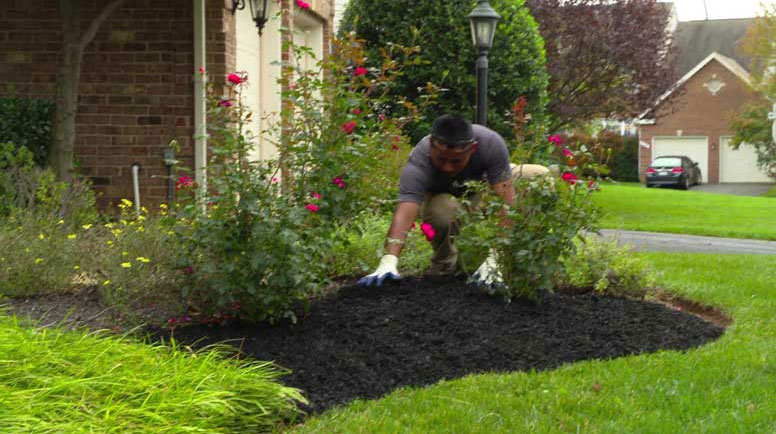
TL;DR: Mulching keeps soil healthy, conserves water, and reduces weeds in your garden.
- Mulch blocks weeds and saves watering time.
- It stabilizes soil temperature year-round.
- Organic mulches enrich soil as they decompose.
- Choose mulch type based on garden needs.
Why it matters: Mulching simplifies garden maintenance, promotes healthier plants, and contributes to water conservation efforts.
Do this next: Apply a 2-4 inch layer of organic mulch around your plants, keeping it away from stems.
Recommended for: Gardeners of all levels looking for efficient ways to maintain plant health and reduce garden chores.
Mulching is a widely recognized horticultural practice that offers numerous benefits for garden health and maintenance. At its core, mulching involves covering the soil surface with a layer of organic or inorganic material. This technique is particularly effective in managing weed growth, a common challenge for gardeners. By creating a physical barrier, mulch prevents sunlight from reaching weed seeds, thereby inhibiting their germination and subsequent growth. This proactive approach significantly reduces the need for manual weeding, saving gardeners considerable time and effort.
Beyond weed suppression, mulch plays a crucial role in soil moisture retention. The layer of mulch acts as an insulator, reducing direct evaporation of water from the soil surface. This is especially beneficial in drier climates or during periods of drought, as it helps to maintain consistent soil moisture levels, which are vital for plant health. Consequently, plants require less frequent watering, leading to water conservation.
Temperature regulation is another significant advantage of mulching. In hot weather, mulch helps to keep the soil cooler by shielding it from direct sunlight, preventing the roots from overheating. Conversely, during colder periods, mulch can act as an insulating blanket, protecting plant roots from freezing temperatures and extreme cold. This temperature moderation creates a more stable and favorable environment for root development and overall plant vigor.
When organic materials are used as mulch, they contribute to improving soil fertility and structure over time. As organic mulches decompose, they release essential nutrients into the soil, enriching its composition. This gradual addition of organic matter enhances soil structure, promoting better aeration and drainage, which are crucial for healthy root growth. Examples of organic mulches include wood chips, shredded bark, straw, leaves, and compost. Each of these materials offers unique benefits and decomposition rates.
Inorganic mulches, such as gravel, pebbles, or landscape fabric, also serve specific purposes. While they do not contribute to soil fertility, they are highly effective in weed control and can be aesthetically pleasing in certain garden designs. Landscape fabric, for instance, provides an excellent barrier against weeds while still allowing water and air to penetrate the soil.
The application of mulch requires some consideration to maximize its effectiveness. It is generally recommended to apply a layer of mulch that is several inches deep, typically between two to four inches, depending on the material. However, it is important to avoid piling mulch directly against plant stems or tree trunks, as this can lead to moisture buildup and potential rot or pest issues. Leaving a small gap around the base of plants ensures proper air circulation and prevents these problems.
Regular replenishment of organic mulches is necessary as they decompose over time. The frequency of replenishment depends on the type of mulch used and the local environmental conditions. Observing the mulch layer and adding more when it thins out helps to maintain its benefits consistently.
In summary, mulching is a multifaceted gardening technique that offers substantial advantages, including effective weed control, enhanced soil moisture retention, temperature moderation, and improved soil health. By understanding the various types of mulch and proper application methods, gardeners can create a more resilient, productive, and low-maintenance garden environment.