Homestead Privacy: Hide Your Scene, Protect Your Grow
By EdibleAcres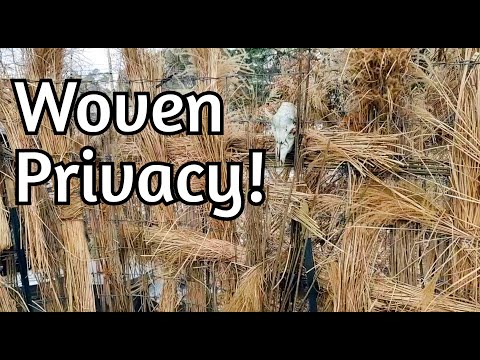
TL;DR: Discreetly managing your permaculture efforts can enhance personal security and food autonomy in uncertain times, balancing public sharing with private resilience.
- Conceal productive spaces from public view.
- Integrate homesteading activities discreetly.
- Use natural screening elements strategically.
- Balance sharing enthusiasm with personal security.
- Prioritize prudence in resource display.
Why it matters: In an unpredictable world, safeguarding your food production and resources can prevent unwanted attention and ensure long-term self-sufficiency.
Do this next: Review your garden and homestead for areas that could benefit from increased privacy and implement natural screening.
Recommended for: Homesteaders and permaculture practitioners seeking to enhance the security and privacy of their food production and resource management efforts.
The article from EdibleAcres discusses the importance of privacy in the context of permaculture and homesteading, particularly concerning the visibility of one's growing efforts. It highlights that while many permaculture practitioners are enthusiastic about sharing their knowledge and successes, there's a growing sentiment that maintaining a degree of discretion about one's food production and resource management can be beneficial, if not essential, in certain circumstances.
The core argument revolves around the idea of "hiding your scene," which isn't about being secretive or unneighborly, but rather about exercising prudence regarding the public display of one's self-sufficiency efforts. The author suggests that in an increasingly uncertain world, where economic instability and resource scarcity could become more prevalent, openly showcasing a bountiful garden or a well-stocked pantry might inadvertently attract unwanted attention. This attention could range from simple curiosity to more problematic scenarios, such as theft or demands for resources from those less prepared.
The article delves into practical strategies for achieving this privacy. One key aspect is the strategic placement of plants and structures. Instead of planting highly visible food crops along property lines or in front yards, the author recommends utilizing backyards, side yards, and less conspicuous areas. Employing natural screening elements like hedges, trellises with climbing plants, or even strategically placed fruit trees can help obscure the view of productive spaces from public thoroughfares. The concept extends beyond just edible plants to include other homesteading activities, such as composting, rainwater harvesting systems, and animal enclosures, suggesting that these too can be integrated into the landscape in a way that minimizes their visibility.
Another important point raised is the idea of "permaculture camouflage." This involves designing one's property in a way that doesn't immediately scream "food production hub" to the casual observer. For instance, integrating edible plants into ornamental landscaping, using native plants that blend seamlessly with the local environment, or creating diverse, multi-layered plantings that don't present an obvious monoculture of food crops. The goal is to make the productive elements of the landscape appear as a natural, aesthetically pleasing part of the property rather than a dedicated agricultural plot.
The article also touches upon the social aspect of privacy. While sharing knowledge and excess produce with trusted community members is often a cornerstone of permaculture, the author advises caution against broadcasting one's full capabilities to a wider, less known audience. This isn't about fostering isolation, but rather about building strong, reciprocal relationships within a close-knit network, where mutual support and discretion are understood. The emphasis is on quality over quantity in social connections when it comes to sharing sensitive information about one's self-sufficiency.
Furthermore, the discussion extends to digital privacy. In an age of social media, the article subtly warns against oversharing details about one's homestead online, including specific locations, detailed inventories, or advanced security measures. While documenting progress can be inspiring, it also creates a digital footprint that could be accessed by unintended parties.
In essence, the EdibleAcres article advocates for a thoughtful and intentional approach to privacy in permaculture. It encourages practitioners to consider the potential implications of their visibility and to design their systems and manage their information in a way that protects their resources and their peace of mind, without necessarily sacrificing community engagement or the spirit of sharing. The underlying message is one of preparedness and foresight, recognizing that while permaculture aims to create abundance, it also requires wisdom in managing that abundance in a world that may not always be benign.