Incubating Eggs: Prep, Tips & Success!
By Farmer Jo Homesteading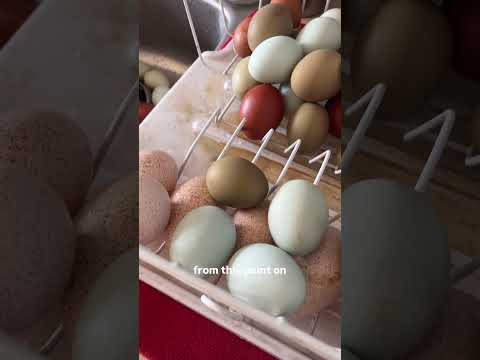
TL;DR: Successful egg incubation hinges on careful pre-laying practices, optimal handling, and meticulous storage to maximize hatching rates.
- Healthy parent flock produces viable eggs.
- Collect eggs frequently to prevent contamination.
- Store eggs cool, humid, pointed end down.
- Avoid washing eggs to preserve protective bloom.
- Clean dirty eggs dry; if washing, use warm water.
Why it matters: Maximizing hatching success from incubated eggs directly impacts poultry production, ensuring healthy chicks and efficient resource use for homesteaders and farmers.
Do this next: Prioritize the health and nutrition of your parent flock to improve egg viability for incubation.
Recommended for: Poultry keepers, homesteaders, and small-scale farmers looking to improve their egg incubation practices and hatch rates.
When preparing eggs for incubation, several crucial steps can significantly impact the success rate of hatching. The process begins even before the eggs are laid, with the health and diet of the parent flock playing a foundational role. Hens that are well-nourished and free from stress tend to produce healthier, more viable eggs.
Once eggs are collected, proper handling and storage are paramount. It's generally recommended to collect eggs multiple times a day, especially in warmer weather, to prevent them from becoming too hot or too cold, and to reduce the chances of contamination. After collection, eggs should be stored in a cool, humid environment, ideally between 55-65 degrees Fahrenheit (13-18 degrees Celsius) with a humidity level of around 75%. This temperature range helps to slow down embryonic development without causing damage. Storing eggs pointed end down is also a common practice, believed to help keep the air cell stable and the yolk centered. While some sources suggest turning eggs daily during storage, especially if they are to be stored for more than a week, others argue it's not strictly necessary for shorter storage periods. However, turning can help prevent the yolk from sticking to the shell membrane.
The cleanliness of the eggs is another critical factor. While it might seem intuitive to wash dirty eggs, this can actually be detrimental. Eggshells are porous and covered with a natural protective bloom (cuticle) that acts as a barrier against bacteria. Washing eggs, especially with cold water, can remove this bloom and draw bacteria into the egg through the pores as the egg cools and contracts. If eggs are visibly dirty, dry cleaning with a soft brush or fine sandpaper is preferable. If washing is absolutely necessary, it should be done with water warmer than the egg itself (around 100-110 degrees Fahrenheit or 38-43 degrees Celsius) and a mild, unscented disinfectant specifically designed for eggs. The eggs should then be dried quickly to prevent bacterial growth.
Selecting the right eggs for incubation is also vital. Eggs should be of a normal size and shape for the breed. Eggs that are too large, too small, oddly shaped, or have thin or rough shells are less likely to hatch successfully. Cracks, even hairline ones, can compromise the egg's integrity and allow bacteria to enter. Therefore, a careful inspection of each egg is necessary. Candling, a process of holding the egg up to a light source, can help identify hairline cracks, air cell abnormalities, or other internal issues that might not be visible externally.
Before placing eggs in the incubator, it's beneficial to allow them to warm up to room temperature gradually. This prevents thermal shock when they are introduced to the higher temperature of the incubator. The incubator itself should be thoroughly cleaned and disinfected before use, and calibrated to ensure it maintains the correct temperature and humidity levels. Consistent temperature (typically around 99.5 degrees Fahrenheit or 37.5 degrees Celsius for most chicken eggs) and humidity (around 45-55% for the first 18 days, increasing to 65-75% for the last few days before hatching) are crucial for successful embryonic development.
In summary, successful incubation hinges on a series of careful steps: starting with healthy parent stock, proper collection and storage of eggs, meticulous selection of viable eggs, avoiding unnecessary washing, and finally, preparing the eggs and incubator for a stable and controlled environment. Adhering to these practices significantly increases the likelihood of a successful hatch.