False Hope: Why Off-Season Cuttings Often Fail
By Self Sufficient Homesteading & Gardening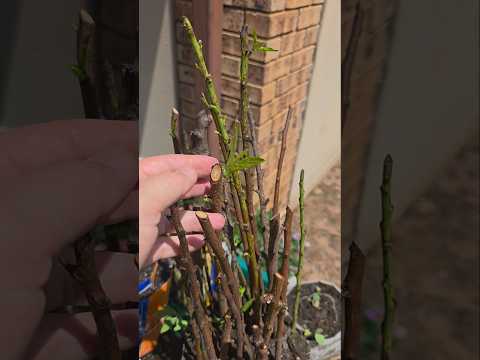
TL;DR: Successful plant propagation from cuttings relies heavily on understanding and aligning with a plant's natural growth cycles.
- Timing is crucial for successful plant cutting propagation.
- Active growth periods optimize root development.
- Dormancy reduces success due to low metabolic activity.
- Softwood cuttings thrive in spring/early summer.
- Consider plant physiology and environmental factors.
Why it matters: Understanding the optimal timing for taking cuttings can significantly increase propagation success, saving time and resources for gardeners.
Do this next: Watch the full video to learn more about timing your plant cuttings for optimal results.
Recommended for: Gardeners of all levels looking to improve their plant propagation skills and understand the critical role of timing.
The timing of taking plant cuttings is a critical factor in their successful propagation, and attempting this process at an inappropriate time of year can lead to disappointing results, often giving gardeners a false sense of hope. While the desire to expand one's garden or share plants with others is understandable, understanding the biological reasons behind optimal cutting times is essential for maximizing success rates.
One of the primary reasons for seasonal variation in cutting success relates to the plant's physiological state. During the active growing season, typically spring and early summer, plants are in a state of vigorous growth. This means they are producing ample hormones, such as auxins, which are crucial for root development. The plant's energy reserves are also high, allowing it to dedicate resources to healing the wound created by the cutting and initiating new root growth. Furthermore, environmental conditions like warmer temperatures and longer daylight hours during these periods are conducive to root formation and overall plant establishment.
Conversely, taking cuttings during the dormant season, such as late autumn or winter, presents significant challenges. Plants have reduced metabolic activity during dormancy; their energy is conserved, and hormone production for growth is minimal. The plant's focus shifts from growth to survival, making it less likely to allocate resources to developing new roots from a severed stem. Additionally, colder temperatures and shorter daylight hours are not ideal for root initiation. The soil or rooting medium may also be colder, further inhibiting the delicate process of cell division and differentiation required for root formation.
Another factor is the type of cutting material. Softwood cuttings, taken from new, flexible growth, are generally best taken in spring or early summer. They root relatively quickly but are also more susceptible to drying out. Semi-hardwood cuttings, taken from more mature but still flexible growth, are typically taken in mid-summer to early autumn. Hardwood cuttings, taken from dormant, woody stems, are usually taken in late autumn or winter. While hardwood cuttings are taken during dormancy, they rely on the plant's stored energy and the subsequent warming temperatures of spring to initiate growth. Attempting to root softwood or semi-hardwood cuttings during their non-optimal periods significantly reduces their chances of survival.
The presence of leaves on a cutting also plays a role. Leaves are essential for photosynthesis, the process by which plants convert sunlight into energy. Cuttings taken during periods of low light or from plants that have shed their leaves will have limited ability to produce the energy needed for root development. While some cuttings are taken without leaves (e.g., hardwood cuttings), they rely on stored energy and the eventual emergence of new leaves.
Humidity is another environmental factor that impacts cutting success. During the active growing season, ambient humidity levels are often higher, which helps prevent cuttings from drying out before they can establish roots. In drier conditions, cuttings can quickly dehydrate, even if other factors are favorable.
In essence, the "false hope" experienced by gardeners often stems from a misunderstanding of these fundamental biological and environmental principles. A cutting taken at the wrong time of year might initially appear healthy, but without the necessary internal and external conditions for root development, it will eventually decline. Recognizing the optimal windows for different types of cuttings and understanding the plant's seasonal physiological changes are key to successful propagation and avoiding the disappointment of failed attempts.