3-Layer Food Forests: Simple Steps to Productive Systems
By Huw Richards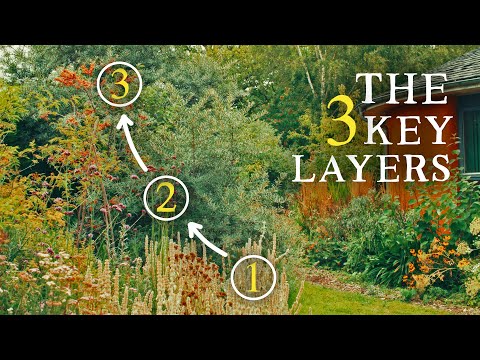
TL;DR: Simplify food forest design by focusing on a three-layered system for efficient, high-yield edible landscapes in various spaces.
- Three layers are sufficient for productive food forests.
- Canopy layer provides shade and main harvest.
- Shrub layer adds diverse edibles and habitat.
- Ground layer completes the edible ecosystem.
- Select plants suited to local conditions.
Why it matters: Even with limited space, a simplified food forest offers a sustainable way to grow food and enhance biodiversity in your garden.
Do this next: Watch the video to understand how to select appropriate plants for each layer.
Recommended for: Home gardeners, permaculture enthusiasts, and those with limited space seeking efficient food production.
This article from HuwsNursery simplifies the concept of food forests, making them accessible even for those with limited space or experience. The core idea revolves around creating a multi-layered edible ecosystem that mimics natural forest structures, but with a focus on food production. The article emphasizes that a complex, seven-layer food forest isn't always necessary, and a highly productive system can be achieved with just three key layers.
The first and most prominent layer discussed is the canopy layer, which consists of the tallest plants in the system. These are typically fruit and nut trees. The article suggests selecting varieties that are well-suited to the local climate and soil conditions, and that offer a good yield of edible produce. Examples might include apple, pear, cherry, or plum trees, as well as nut trees like hazelnut or almond, depending on the region. The canopy layer provides shade for the layers below, helps to break strong winds, and contributes significantly to the overall biomass and food output of the system. Strategic placement of these trees is crucial to ensure adequate sunlight reaches the lower layers while still providing beneficial shade.
Beneath the canopy, the article introduces the shrub layer. This layer is comprised of smaller woody plants, often berry bushes or dwarf fruit trees. These plants thrive in the partial shade provided by the canopy and contribute a different range of edible products. Examples could include currants, gooseberries, raspberries, blueberries, or even dwarf varieties of fruit trees. The shrub layer adds to the diversity of food production and also helps to create a more complex habitat for beneficial insects and wildlife. It's important to consider the mature size of these shrubs to prevent them from overcrowding the ground layer or competing too aggressively with the canopy trees.
Finally, the article details the ground layer, which encompasses all the plants growing at or near the soil surface. This layer is highly diverse and can include a wide array of edible plants such as herbs, vegetables, and groundcover crops. The article highlights the importance of selecting plants that are tolerant of varying light conditions, from full sun in open patches to partial shade under the canopy and shrubs. Examples might include perennial herbs like mint, oregano, or thyme, leafy greens that can tolerate some shade, or even edible groundcovers like strawberries or creeping thyme. This layer is crucial for maximizing food production in the available space and also plays a vital role in soil health, weed suppression, and moisture retention. The article implicitly suggests incorporating nitrogen-fixing plants within this layer to naturally enrich the soil.
Beyond these three layers, the article subtly emphasizes several underlying principles for successful food forest creation. One such principle is the importance of plant selection based on local climate, soil type, and personal preferences for edible produce. Another key aspect is observing and adapting the system over time, as plant growth and environmental conditions will evolve. The article also implicitly promotes the idea of stacking functions, where each plant or element in the food forest serves multiple purposes, such as providing food, attracting pollinators, improving soil, or deterring pests.
The overall message is that creating a productive food forest doesn't require extensive knowledge or a large plot of land. By focusing on these three fundamental layers and applying basic permaculture principles, individuals can establish a resilient and abundant edible ecosystem that provides a continuous harvest of fresh produce. The simplified approach aims to demystify food forest design, making it an achievable goal for a broader audience interested in sustainable food production.