Tomato Seed Saving Fail: Why Germination Rates Plummet
By RED Gardens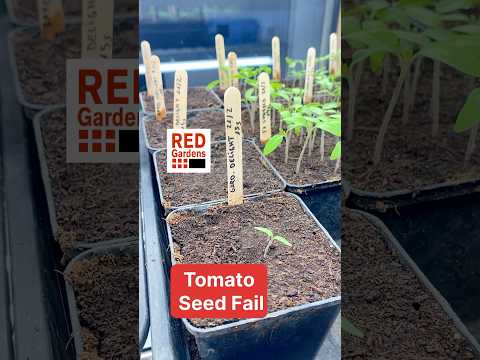
TL;DR: Saved tomato seeds may fail to germinate due to overlooked fermentation, impacting even fresh seeds from proper storage.
- Fermentation removes germination inhibitors from tomato seeds.
- Skipping fermentation reduces tomato seed viability.
- Proper seed saving prevents low germination rates.
- Hybrid tomato seeds behave differently than heirlooms.
Why it matters: Understanding proper seed saving techniques for tomatoes can prevent wasted effort and improve gardening success rates, ensuring a consistent yield from your own saved seeds.
Do this next: Review your tomato seed saving process to ensure proper fermentation.
Recommended for: Gardeners who save their own tomato seeds and have experienced germination issues.
The article discusses a common issue encountered by gardeners: the failure of tomato seeds to germinate, particularly when those seeds have been saved from previous harvests. The author shares a personal experience where a significant portion of their saved tomato seeds did not sprout, leading to frustration and a re-evaluation of their seed-saving practices.
The initial assumption was that the seeds were simply old or had been stored improperly. However, the author notes that the seeds were from the previous growing season, suggesting age wasn't the primary factor. The storage conditions were also considered adequate, ruling out extreme temperatures or humidity as direct causes of the failure. This led to a deeper investigation into other potential reasons for poor germination.
One key area explored is the process of seed saving itself. The article highlights that tomato seeds, unlike some other plant seeds, benefit significantly from a fermentation process. This fermentation, typically achieved by allowing the seeds and pulp to sit in a jar of water for a few days, serves multiple purposes. Firstly, it helps to break down the gelatinous sac that surrounds each tomato seed. This sac contains germination inhibitors, natural chemicals that prevent the seed from sprouting while still inside the fruit. Removing this sac is crucial for successful germination. Secondly, the fermentation process can help to kill off certain seed-borne diseases, contributing to healthier seedlings.
The author reflects on their own seed-saving method, realizing that they had often skipped or rushed the fermentation step in previous years. Instead, they would simply rinse the seeds and dry them, which, while seemingly efficient, left the germination inhibitors intact. This oversight is identified as a probable cause for the low germination rates observed.
Another factor discussed is the viability of seeds from hybrid tomato varieties. While open-pollinated or heirloom varieties tend to produce seeds that grow true to the parent plant, hybrid seeds often do not. Seeds saved from hybrid tomatoes may produce plants with unpredictable characteristics, or they may not germinate at all. The article emphasizes the importance of knowing whether the parent plant was an open-pollinated or hybrid variety when saving seeds. If the original plant was a hybrid, purchasing new seeds each year is generally recommended for consistent results.
The article also touches upon the importance of proper drying and storage. After fermentation and rinsing, tomato seeds need to be thoroughly dried to prevent mold and mildew. They should then be stored in a cool, dark, and dry place in airtight containers or envelopes. Fluctuations in temperature and humidity can significantly reduce seed viability over time.
In conclusion, the author's experience with failed tomato seed germination serves as a practical lesson in the intricacies of seed saving. The primary takeaways are the critical role of fermentation in removing germination inhibitors, the distinction between saving seeds from open-pollinated versus hybrid varieties, and the importance of meticulous drying and storage. The article underscores that successful seed saving is not just about collecting seeds, but about understanding and implementing the specific biological requirements of the plant species to ensure future growth.