No Newspaper or Cardboard in Your Garden? Here's Why.
By paul wheaton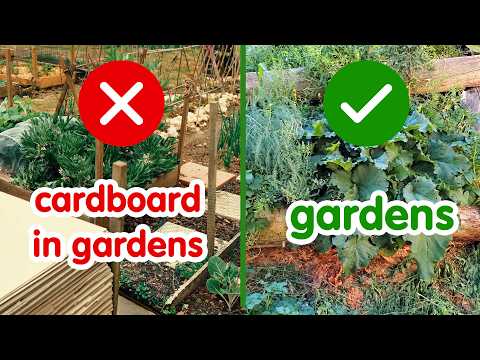
TL;DR: Avoid using newspaper and cardboard in gardens due to concerns about chemicals, soil health, and water/air impermeability.
- Chemicals in paper and cardboard can harm soil and plants.
- Impermeable layers restrict air and water to soil.
- Anaerobic conditions hurt beneficial soil life.
- Uneven moisture distribution can deprive plants.
- Natural decomposition is hindered by barriers.
Why it matters: Introducing unwanted chemicals and restricting soil aeration can severely degrade garden ecosystems and plant health, impacting food safety.
Do this next: Research alternative mulching materials that promote soil health and aeration.
Recommended for: Gardeners interested in advanced soil health practices and critical evaluation of common permaculture techniques.
The author expresses a strong preference against using newspaper or cardboard in gardening practices, particularly for sheet mulching or as a weed barrier. This stance is rooted in several concerns regarding the materials' composition, their impact on soil health, and their effectiveness in a permaculture context.
One primary concern revolves around the potential presence of harmful chemicals in both newspaper and cardboard. While some sources might claim that modern newspapers use soy-based inks, the author points out that this isn't universally true, and even if it were, the paper itself often contains bleaches, dyes, and other processing chemicals. Similarly, cardboard, especially corrugated varieties, can be treated with glues, waxes, and fire retardants, none of which are desirable additions to a healthy garden ecosystem. The author emphasizes that these chemicals can leach into the soil, potentially harming beneficial microorganisms, plant roots, and ultimately, the food grown in that soil. The long-term effects of introducing these substances are considered detrimental to the goal of building a robust and living soil.
Beyond chemical contamination, the physical properties of newspaper and cardboard are also deemed problematic. When used as a weed barrier, these materials can become compacted and impermeable once wet. This creates a barrier that restricts the movement of air and water into the soil below. Healthy soil requires oxygen for microbial activity and root respiration, and a lack of aeration can lead to anaerobic conditions, which are detrimental to most beneficial soil life. Furthermore, the author notes that water tends to run off the surface of wet cardboard or newspaper rather than soaking through, leading to uneven moisture distribution and potentially depriving plants of necessary hydration. This impermeability also hinders the natural decomposition process, as it prevents soil organisms from easily accessing and breaking down the organic matter.
The author also highlights the issue of decomposition rates. While newspaper and cardboard eventually break down, their decomposition can be slow and uneven, especially if they are layered thickly. This slow breakdown means they don't contribute significantly to building soil organic matter in the short term, which is a key principle of permaculture. Instead, they can act as a temporary barrier that needs to be removed or replaced, adding to the gardener's workload rather than reducing it. The author suggests that other organic materials, such as wood chips, straw, or leaves, decompose more readily and contribute more effectively to soil building.
Another point of contention is the aesthetic aspect and the practical challenges of using these materials. Newspaper and cardboard can look unsightly in a garden, especially as they start to break down and become soggy. They can also be difficult to manage, tearing easily when wet or becoming a messy pulp. The author implies that the effort involved in laying down and maintaining these materials outweighs their perceived benefits, especially when more effective and natural alternatives are available.
In summary, the author's decision to avoid newspaper and cardboard in gardening is based on concerns about chemical contamination, their negative impact on soil aeration and water penetration, their slow and potentially problematic decomposition, and their overall practical disadvantages compared to other organic mulching materials. The core argument is that these materials, despite their common use, do not align with the principles of building healthy, living soil and fostering a thriving permaculture ecosystem.