Pippa Chapman & Maddy Harland: Permaculture Myths Debunked
By Permaculture Magazine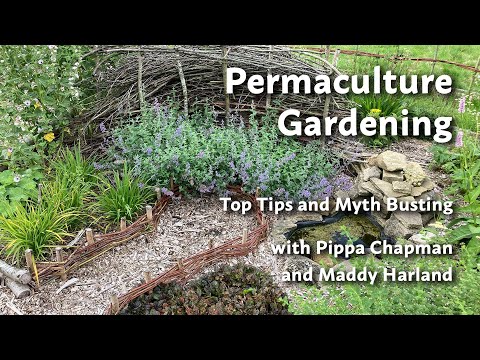
PermaNews Brief
Key Takeaways
Successful permaculture gardening relies on observing natural systems, designing for multiple functions, and prioritizing soil health over rigid rules.
- Observe local environment before making changes.
- Design elements for multiple purposes (stacking functions).
- Prioritize healthy soil through composting and mulching.
- Avoid excessive tilling to protect soil ecosystems.
- Permaculture is a flexible framework, not strict rules.
Why It Matters
Adopting permaculture principles creates resilient and productive gardens that work with nature, reducing external inputs and fostering long-term sustainability.
What to Do Next
Start observing your own garden or desired growing space to understand its unique climate, soil, and existing life.
Recommended for: Anyone interested in creating sustainable, productive gardens by working with nature rather than against it, from beginners to experienced gardeners looking to refine their approach.
Pippa Chapman and Maddy Harland recently discussed various aspects of permaculture gardening, offering practical advice and dispelling common misconceptions. Their conversation highlighted the importance of observation, understanding natural systems, and adopting a holistic approach to garden design and management.
One key theme was the idea that permaculture is not a rigid set of rules but rather a flexible framework based on ethical principles. They emphasized that successful permaculture implementation is highly site-specific, requiring gardeners to carefully observe their local environment – including climate, soil type, water availability, and existing flora and fauna – before making any significant changes. This observational phase is crucial for designing systems that work *with* nature rather than against it, leading to more resilient and productive gardens.
The discussion also touched upon the concept of "stacking functions," where each element in a permaculture system serves multiple purposes. For instance, a pond might not only provide water for irrigation but also create habitat for wildlife, regulate microclimate, and serve as a source of food. This multi-functional approach maximizes efficiency and reduces the need for external inputs, a core permaculture principle.
Another important point raised was the emphasis on soil health. Chapman and Harland underscored that healthy soil is the foundation of a thriving garden. They advocated for practices that build soil organic matter, such as composting, mulching, and cover cropping, which improve soil structure, water retention, and nutrient availability. They also cautioned against excessive tilling, which can disrupt soil ecosystems and release carbon into the atmosphere. The conversation highlighted that understanding the soil food web – the complex community of organisms living in the soil – is essential for fostering a truly regenerative system.
The topic of water management was also central to their insights. They discussed various strategies for conserving and utilizing water efficiently, including rainwater harvesting, greywater recycling, and the creation of swales and other earthworks to slow, spread, and sink water into the landscape. These techniques aim to reduce reliance on external water sources and create more drought-resilient gardens.
Addressing common myths, Chapman and Harland clarified that permaculture doesn't necessarily mean letting a garden become overgrown or wild. While it embraces natural processes, it also involves thoughtful design and management to create productive and aesthetically pleasing spaces. They also debunked the idea that permaculture is only for large properties, asserting that its principles can be effectively applied to small urban gardens, balconies, and even indoor spaces. The scale of application might differ, but the underlying ethics and design principles remain relevant.
Furthermore, the discussion touched on the importance of perennial plants in permaculture systems. Perennials, which live for more than two years, require less disturbance to the soil and often provide a continuous yield of food, medicine, or other resources. Integrating a diverse range of perennial species contributes to the stability and resilience of the garden ecosystem.
Finally, the experts stressed the social aspect of permaculture. They highlighted that permaculture extends beyond gardening to encompass community building, local economies, and ethical consumption. Sharing knowledge, resources, and produce within a community can strengthen local food systems and foster a more sustainable way of living. The overall message was one of empowerment, encouraging individuals to observe, design, and participate in creating more regenerative and abundant environments.
Source: youtube.com
Related Analysis
- Colorado Beekeeper Lost 85% of Hives in 2021 — A Colorado beekeeper lost 85% of his hives in 2021. The sudden collapse raises questions about pesticide exposure in com…
- Bee Colony Losses Rise as Research Funding Declines — US beekeepers mobilize against colony losses and shrinking research budgets. Learn how apiarists are adapting to reduced…
Related on PermaNews
- Ernst Götsch's Cacao Syntropy: Master Agroforestry Now (How-To Guide)
- Finnish Off-Grid: Rocket Mass Heater Performance in Greenhouse (Case Study)
- Berlins schwimmende Gärten: Permakultur auf dem Wasser (Case Study)
- Rodale Report 2025: Thermal Mass Boost in Solar Greenhouses (Case Study)
- AUTarcaMatricultura La Palma: Permakultur & Energieautarkie (How-To Guide)
- Earthaven Ecovillage: 30 Years Off-Grid with Hydro & Solar (Video)
Explore more in Food Systems & Growing — the full hub for this knowledge area.