Nordic Couple's Off-Grid Life Near Russian Border
By Kirsten Dirksen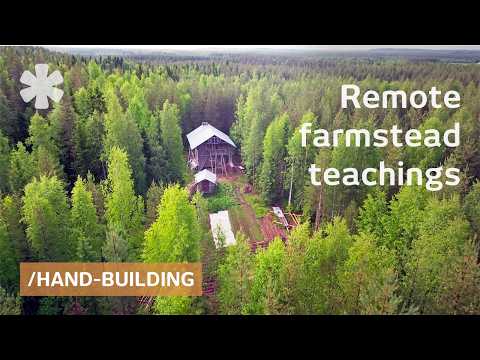
PermaNews Brief
Key Takeaways
A Nordic couple built a self-sufficient homestead, living without banks or mobile phones, embracing traditional methods and permaculture.
- Embrace cash and bartering for financial independence.
- Minimize tech for focused living and deeper connections.
- Diversify income through crafts and foraging.
- Practice permaculture for resilient food production.
- Cultivate self-reliance in remote environments.
Why It Matters
This lifestyle offers a compelling model for increased resilience and independence in an unpredictable world, fostering a deeper connection to nature and community.
What to Do Next
Consider how you can reduce reliance on conventional systems in one small aspect of your life.
Recommended for: Those interested in extreme self-sufficiency, off-grid living, and intentional reduction of modern dependencies.
This article details the lifestyle of a couple, Erika and Martin, who have established a self-sufficient homestead in a remote Nordic region, close to the Russian border. Their approach to living is characterized by a deliberate detachment from many modern conveniences and financial systems, emphasizing self-reliance and a deep connection to their environment.
The couple has chosen to live without a bank account, managing their finances entirely through cash transactions and bartering. This decision stems from a desire to avoid the complexities and perceived vulnerabilities of the traditional banking system, and to foster a more direct and tangible relationship with their resources. They generate income through various means, including selling crafts, wild-foraged goods, and offering services to their local community. This diversified approach to income generation provides them with a degree of financial independence and resilience, reducing their reliance on a single source of income or external economic fluctuations.
Another significant aspect of their lifestyle is their decision to forgo mobile phones. This choice is driven by a desire to minimize distractions, reduce their exposure to electromagnetic radiation, and cultivate a more present and focused existence. Communication is primarily through face-to-face interactions, landline phones, or written correspondence, fostering a slower pace of life and encouraging deeper connections with those around them. This deliberate limitation of technology extends to other areas of their lives, with a preference for manual tools and traditional methods over automated or digital solutions.
Their homestead is a testament to their commitment to self-sufficiency. They grow a significant portion of their own food, utilizing permaculture principles to create a productive and resilient garden. This includes cultivating a variety of vegetables, fruits, and herbs, as well as raising some livestock for eggs and meat. Food preservation techniques such as canning, drying, and fermenting are integral to their ability to store food for the long Nordic winters. They also forage for wild edibles, supplementing their diet with nutrient-rich plants and berries from the surrounding forests.
Heating their home is primarily achieved through wood-burning stoves, with firewood harvested sustainably from their land or nearby forests. This provides them with a renewable and independent source of heat, reducing their reliance on external energy grids. Water is sourced from a well on their property, ensuring a clean and reliable supply. They also manage their waste responsibly, composting organic materials and minimizing their overall consumption to reduce their environmental footprint.
The couple's daily life is structured around the rhythms of nature and the demands of their homestead. Their days involve a significant amount of physical labor, from gardening and animal care to chopping wood and maintaining their property. This active lifestyle contributes to their physical health and well-being, while also fostering a strong sense of purpose and accomplishment. They embrace the challenges of their remote location, viewing them as opportunities for growth and learning.
Their choice to live near the Russian border, a region often associated with geopolitical tensions, is not explicitly elaborated upon as a political statement but rather as a practical decision based on land availability, cost, and the opportunity to live in a wild, untamed environment. The remoteness of their location further reinforces their self-reliant ethos, as access to external services and resources is limited.
In essence, Erika and Martin's homestead represents a conscious effort to create a life that is independent, sustainable, and deeply connected to the natural world. Their choices regarding banking, technology, food production, and energy consumption reflect a philosophy that prioritizes resilience, simplicity, and a hands-on approach to living. Their story offers an alternative perspective on modern living, demonstrating that it is possible to thrive outside of conventional societal structures by embracing self-sufficiency and a close relationship with the environment.
Source: youtube.com
Related Analysis
- Does Growing Your Own Food Actually Save Money? The Real Numbers — Most home gardens save money by year two — but only if the right crops are planted. Herbs and salad greens deliver 5–10x…
Related on PermaNews
- Autarke Solar-Wind-Systeme: LiFePO4 Batterie-Management-Guide (How-To Guide)
- Holmgren's RetroSuburbia: Permaculture for Resilient Living (Article)
- Transform 6 Weeks of Rhubarb into 25 Years of Preservation (Video)
- Transform 6 Weeks of Rhubarb for 25 Years of Preservation (Video)
- May 2026 Garden Tour: 99% of Our Fresh Food Grown in Containers (Video)
- The Ultimate Chicken Tractor for Complete Self-Sufficiency (Free Plans) (Video)
Explore more in Skills, Preparedness & Self-Reliance — the full hub for this knowledge area.