Rare Forest Honey Harvest: Ancient Methods, Sustainable Yields
By MIgardener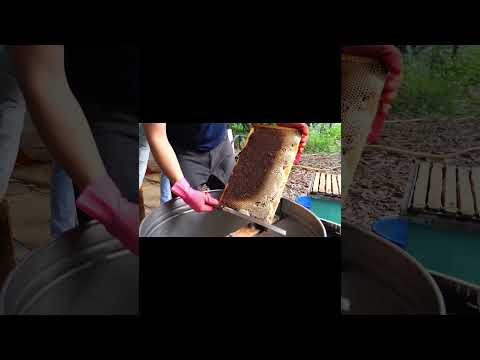
PermaNews Brief
Key Takeaways
Wild forest honey is sustainably harvested from natural hives using traditional methods, preserving bee colonies and the honey's unique properties.
- Wild honey offers distinct flavor and potential medicinal benefits.
- Sustainable harvesting prioritizes bee colony survival.
- Minimal processing retains honey’s natural qualities.
- Traditional methods involve locating and calming wild bees.
- Delicate extraction avoids damaging natural hive structures.
Why It Matters
Supporting sustainable wild harvest practices helps preserve biodiversity and offers consumer choice for natural, specialty products.
What to Do Next
Research local wild honey harvesters to learn about their practices and products.
Recommended for: Anyone interested in sustainable harvesting, permaculture, and the unique benefits of wild forest products.
The video showcases the process of harvesting a unique type of honey from a forest environment, emphasizing the traditional and careful methods employed. The focus is on obtaining honey from wild bee colonies, which often reside in natural cavities within trees or rock formations, rather than from domesticated hives. This particular honey is highlighted as "rare" due to its origin from diverse forest flora, which contributes to a distinct flavor profile and potentially unique medicinal properties compared to honey from cultivated agricultural areas.
The harvesting operation begins with locating the wild beehive. This often involves tracking bees back to their nest or identifying signs of bee activity in the forest. Once the hive is found, the harvesters approach it with caution, often using smoke to calm the bees. The smoke mimics a forest fire, prompting the bees to gorge themselves on honey in preparation for evacuating the hive, making them less aggressive and easier to manage.
The video demonstrates the careful extraction of honeycombs from the wild nest. Unlike commercial beekeeping where frames are easily removed, wild nests require more delicate handling to avoid damaging the colony or the surrounding natural structure. Harvesters typically cut out sections of honeycomb that are rich in honey, leaving a significant portion of the comb and honey for the bees to ensure the colony's survival. This sustainable approach is crucial for maintaining the wild bee population and the continued availability of this special honey.
The extracted honeycomb is then transported for processing. The processing is often minimal to preserve the raw qualities of the forest honey. This typically involves crushing the comb to release the honey, followed by straining to remove wax particles and other debris. The video implies that no heat treatment or extensive filtration is used, which helps retain the honey's natural enzymes, pollen, and propolis, all contributing to its perceived health benefits and unique taste.
The rarity of this forest honey is attributed to several factors. Firstly, wild bee colonies are not as abundant or easily accessible as managed apiaries. Secondly, the honey's flavor is a direct reflection of the specific nectar and pollen sources available in the forest at the time of collection, which can vary significantly by season and location, making each batch potentially unique. The video suggests that the diverse array of wild flowers, trees, and shrubs in the forest contributes to a complex and rich flavor profile that is distinct from monofloral honeys or those from agricultural areas.
The harvesting method itself is presented as a labor-intensive and skilled endeavor, requiring knowledge of bee behavior, forest ecology, and sustainable practices. The emphasis is on respecting the natural environment and the bee colonies, ensuring that the harvesting process does not harm the ecosystem. The video implicitly promotes a connection to nature and an appreciation for natural resources, highlighting the value of products derived from wild, untouched environments. The overall message underscores the unique qualities and the traditional, sustainable methods involved in obtaining this rare forest honey.
Source: youtube.com
Related Analysis
- New Research Splits Silvopasture's Profit Case From Its Ecology — A small but consistent set of signals indicates silvopasture is shifting from ecological ideal to quantified economic ca…
- Seed-Saving Teachers Shift Focus to On-Farm Crop Trialing — Early signals suggest structured seed-saving workshops are coupling genetic diversity education with on-farm crop triali…
Related on PermaNews
- Ernst Götsch's Cacao Syntropy: Master Agroforestry Now (How-To Guide)
- Finnish Off-Grid: Rocket Mass Heater Performance in Greenhouse (Case Study)
- Berlins schwimmende Gärten: Permakultur auf dem Wasser (Case Study)
- Rodale Report 2025: Thermal Mass Boost in Solar Greenhouses (Case Study)
- AUTarcaMatricultura La Palma: Permakultur & Energieautarkie (How-To Guide)
- Earthaven Ecovillage: 30 Years Off-Grid with Hydro & Solar (Video)
Explore more in Food Systems & Growing — the full hub for this knowledge area.