DIY Off-Grid Power: DOE's Stand-Alone System Guide
PermaNews Brief
Key Takeaways
Off-grid renewable energy systems offer grid independence, integrating diverse power sources and storage for reliable, sustainable remote power.
- Off-grid systems suit remote areas or those seeking energy independence.
- Combine solar, wind, or hydro with storage and power conditioning.
- Properly size systems to match energy loads and ensure autonomy.
- Hybrid systems enhance reliability and cost-effectiveness.
- Professional installation is crucial for complex setups and longevity.
Why It Matters
Implementing off-grid solutions can significantly reduce energy costs long-term and foster self-sufficiency, especially in regions with unreliable or no grid access.
What to Do Next
Assess your daily energy needs to determine the suitable size for an off-grid system.
Recommended for: Homeowners, small business owners, and remote property developers interested in achieving energy self-sufficiency and reducing their environmental footprint.
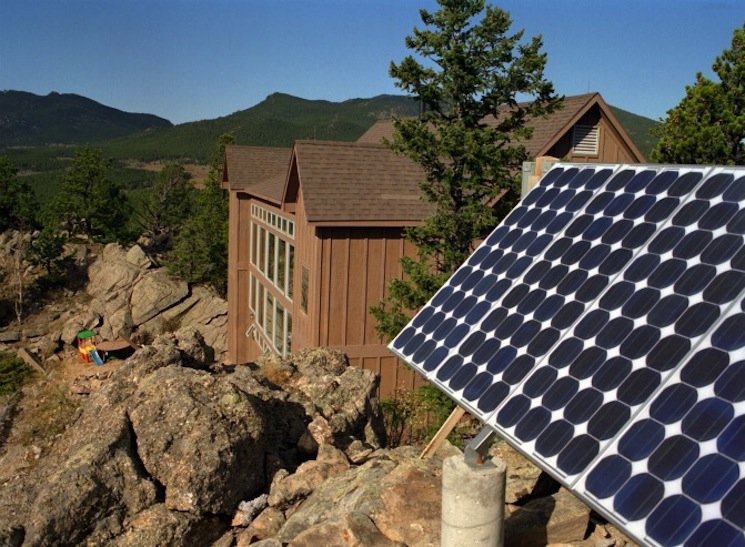
This guide from the U.S. Department of Energy details the components and strategies for implementing off-grid renewable energy systems, ideal for remote locations or those seeking grid independence. Stand-alone systems make economic sense where extending power lines costs $15,000 to $50,000 per mile, appealing to environmental values by avoiding pollution. Successful setups combine technologies like photovoltaics, wind turbines, or small hydropower with balance-of-system equipment including batteries for storage, charge controllers to regulate power flow and prevent overcharging, power conditioning equipment like inverters to convert DC to AC, safety equipment such as fuses and disconnects, and meters for monitoring performance. Hybrid systems incorporating fossil fuels or renewables enhance reliability and cut costs, while energy efficiency measures reduce demand. Key implementation steps involve sizing the system to match loads: assess daily energy needs, select appropriately rated panels or turbines based on site resources (sun hours, wind speeds, water flow), and integrate storage for 2-3 days of autonomy to handle cloudy or calm periods. Practitioners learn that proper balance-of-system integration is critical—e.g., MPPT charge controllers maximize harvest from variable sources. Safety protocols emphasize grounding, surge protection, and compliance with NEC codes. Real-world applications include rural homes, cabins, and businesses, with tips on minimizing inconvenience through load management and backup generators. The resource stresses professional installation for complex systems to ensure longevity and efficiency, providing concrete data on cost-effectiveness and technical specs for practitioners designing resilient setups.
Source: energy.gov
Related Analysis
- German Pilot Projects Wire Greywater Loops Into Off-Grid Settlements — Several German pilot projects are integrating decentralized greywater loops at build time. A Fraunhofer study reports 95…
- A PHI-Certified Tiny Home Breaks With Rocket Stove Convention — Early field cases pair rocket mass heaters with PHI certification and earthship thermal mass — a low-evidence but techni…
Related on PermaNews
- Finnish Off-Grid: Rocket Mass Heater Performance in Greenhouse (Case Study)
- Rodale Report 2025: Thermal Mass Boost in Solar Greenhouses (Case Study)
- Earthaven Ecovillage: 30 Years Off-Grid with Hydro & Solar (Video)
- 2025: Rocket Mass Heaters in PHI-Certified Earthship Tiny Homes (Case Study)
- Off-Grid Water: Cistern Design & Sizing for Security (How-To Guide)
- Net-Zero Greenhouse Design: Year-Round Food Production via ATTRA (How-To Guide)
Explore more in Shelter, Energy & Infrastructure — the full hub for this knowledge area.