Boost Soil Health: Regenerative Gardening Techniques Explained
PermaNews Brief
Key Takeaways
Regenerative gardening builds soil health, sequesters carbon, and boosts biodiversity through no-dig, no-chemical practices.
- No-dig approach protects soil microbes.
- Avoid synthetic chemicals for healthier soil.
- Increase plant diversity with native species.
- Sequester carbon with regenerative methods.
- Applies to gardens of any size.
Why It Matters
Adopting regenerative practices improves garden ecosystems and contributes to climate stability by enhancing soil carbon sequestration.
What to Do Next
Start a no-dig bed by layering organic materials over an existing area.
Recommended for: Gardeners of all levels looking to foster healthier ecosystems and contribute positively to the environment through their practices.
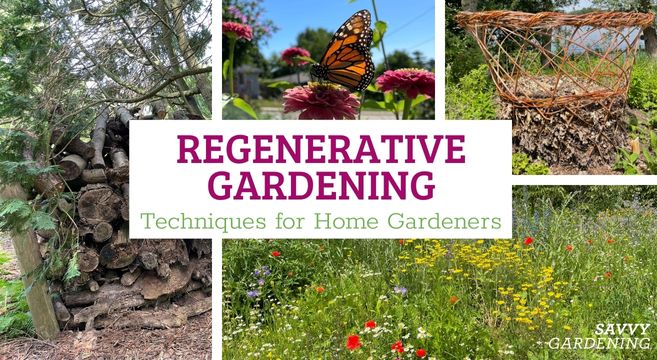
Regenerative gardening is an environmentally conscious approach centered on building and maintaining healthy soil structure through a no-dig methodology. At its core, regenerative gardening recognizes that soil contains a complex web of activity—roots and soil microbes form intricate networks that enable plants to access nutrients and water efficiently. This approach sequesters carbon dioxide in the soil rather than releasing it into the atmosphere, making it beneficial for both garden health and climate impact. Key practices include avoiding synthetic fertilizers, pesticides, and herbicides; adopting a no-till approach that preserves soil microbial communities; and increasing plant diversity through native perennials and varied plantings. The no-dig approach is fundamental because tilling disturbs the delicate underground ecosystem that supports plant growth. Gardeners already using organic growing techniques, avoiding synthetic chemicals, and focusing on plant diversity are likely already applying regenerative principles. On a larger scale, farmers use regenerative agriculture to create more sustainable food systems, but homeowners can apply these same concepts to home gardens of any size. The practice represents a shift from conventional modern gardening, which often relies on chemical pesticides, repeated soil tilling, and monoculture planting to maximize short-term production—all of which can harm soil health and ecosystem balance.
Source: savvygardening.com
Related Analysis
- Food Forest Courses Shift From Theory to Build-Ready Skills — Several food forest courses now open with site assessment and guild-building rather than design theory, suggesting a dev…
- Practitioners Build Silvopasture Playbook Before Researchers Catch Up — A small but consistent set of signals from the Northeast U.S. shows farmers actively piloting silvopasture while formal …
Related on PermaNews
- Federal Policy Shift: Native Regenerative Ag for Soil & Carbon (Article)
- PRI Jordan: Arid Zone Permaculture Yields 5 Tons/Hectare (Case Study)
- Nagaland's Jhum-Alder Agroforestry: Climate-Smart Farming (Article)
- Aboriginal Cool Burns: Permaculture's Ancient Fire Wisdom (Case Study)
- Whiskey Hill Farms: Permaculture Reverses GHG with Clean Fuel (Case Study)
- CIT-ED Pioneers Tribal Food Forest for Climate & Food Security (Case Study)
Explore more in Food Systems & Growing — the full hub for this knowledge area.