Compost's "Gangster Bacteria": Microbe Power!
By The Permaculture Consultant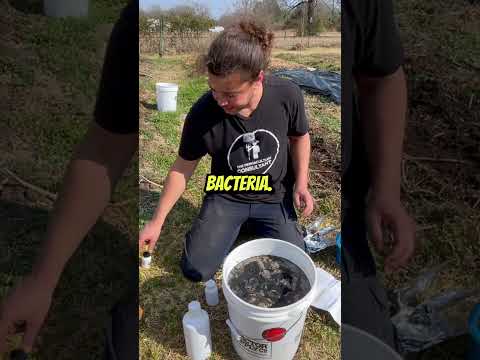
TL;DR: Diverse bacterial communities are essential for efficient composting, breaking down organic matter to create nutrient-rich soil amendments.
- Microorganisms are primary decomposers in composting.
- Bacteria break down complex organic compounds.
- Heat generation indicates active decomposition.
- Diverse bacteria target various organic materials.
- Bacteria relentlessly colonize compost piles.
Why it matters: Understanding the unseen work of bacteria in composting helps optimize soil health and nutrient cycling for richer gardens.
Do this next: Start a compost pile with a mix of 'greens' and 'browns' to encourage diverse microbial activity.
Recommended for: Anyone interested in the biological processes behind composting and improving their soil health.
The concept of "gangster bacteria" in the context of composting refers to the crucial role of diverse microbial communities in breaking down organic matter and creating nutrient-rich soil amendments. This isn't about malicious organisms, but rather a playful way to describe the powerful and essential work these microorganisms perform, often unseen, to drive the decomposition process.
Composting is fundamentally a biological process, heavily reliant on the activity of bacteria, fungi, and other microscopic organisms. These "gangster bacteria" are the primary decomposers, initiating the breakdown of complex organic compounds into simpler forms. They are responsible for the initial stages of decomposition, consuming readily available sugars and starches, which in turn generates heat within the compost pile. This heat is a key indicator of active decomposition and helps to accelerate the process, as well as eliminate pathogens and weed seeds.
A healthy compost pile thrives on a diverse population of these bacteria. Different species specialize in breaking down various types of organic materials. Some bacteria are adept at consuming cellulose and hemicellulose, the primary components of plant cell walls, while others target proteins, fats, and other more recalcitrant compounds. This specialization ensures a thorough and efficient breakdown of a wide range of organic inputs, from kitchen scraps to garden waste.
The "gangster" aspect highlights their relentless and pervasive nature. These bacteria colonize every available surface within the compost pile, forming intricate biofilms and working collaboratively to dismantle organic matter. Their sheer numbers and metabolic activity are what drive the transformation from raw organic waste to stable, humus-rich compost. Without their tireless efforts, organic materials would decompose at a much slower rate, if at all, and the valuable nutrients locked within them would not be readily available for plants.
Furthermore, the activity of these bacteria influences the overall quality of the finished compost. Their metabolic byproducts contribute to the formation of humic substances, which are complex organic molecules that improve soil structure, water retention, and nutrient availability. A diverse and active bacterial community leads to a more stable and beneficial compost product.
Maintaining optimal conditions for these "gangster bacteria" is crucial for successful composting. This includes providing a balanced mix of carbon and nitrogen materials (the "browns" and "greens"), adequate moisture, and sufficient aeration. These factors create an environment where the bacteria can thrive, reproduce rapidly, and efficiently carry out their decomposition tasks. When these conditions are met, the bacterial communities flourish, leading to a faster composting process and a higher quality end product.
In essence, the term "gangster bacteria" serves as a memorable and evocative way to emphasize the indispensable and powerful role that microbial life plays in the permaculture practice of composting. It underscores that these microscopic organisms are not just passive participants but active, dominant forces driving the ecological processes that transform waste into a valuable resource for enriching soil and supporting plant growth.