Bayer's Pro Carbono: Soil Health for 7.4M Acres Profit
By Trellis Group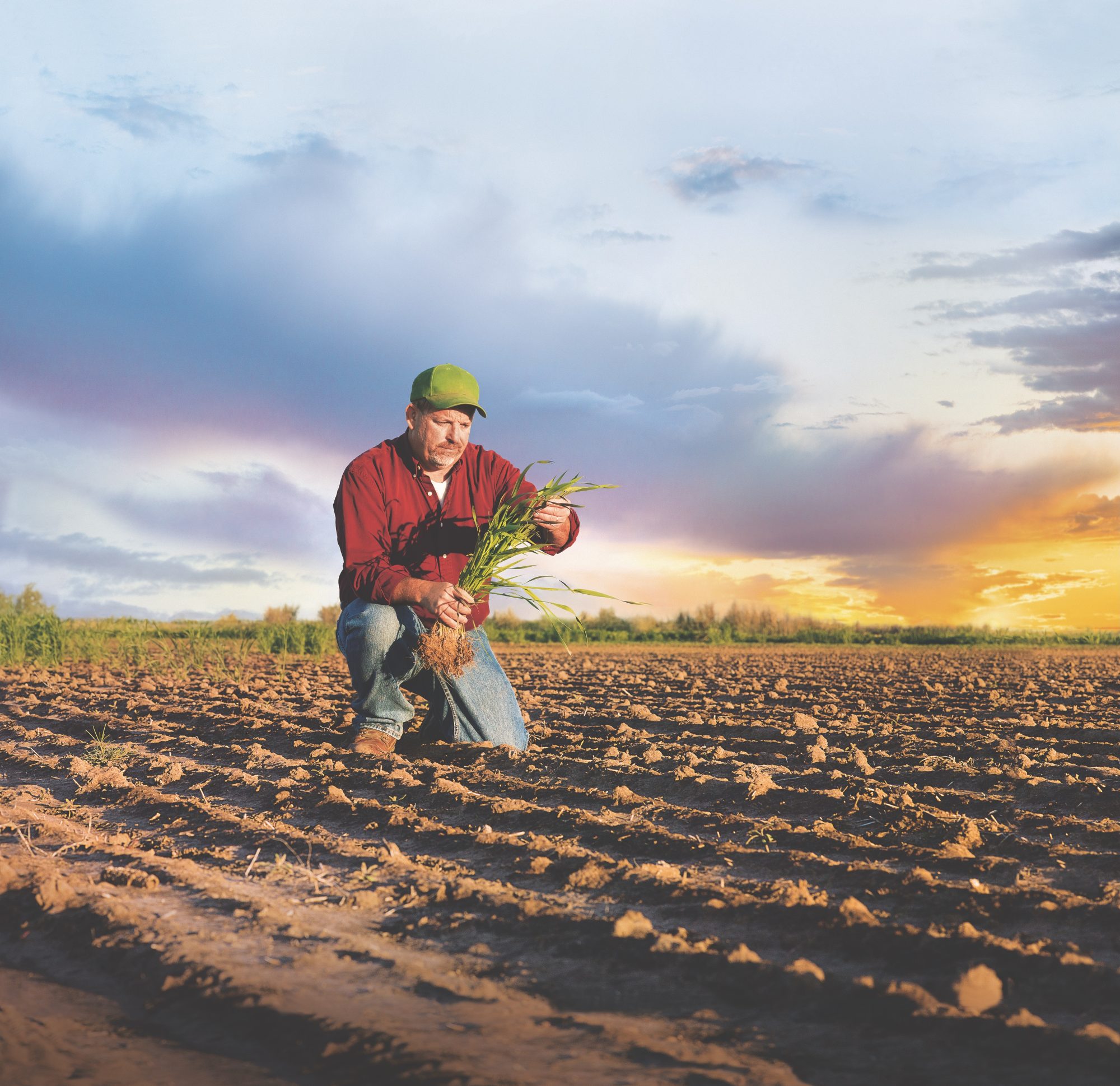
TL;DR: Bayer’s Pro Carbono program demonstrates how regenerative agriculture practices can significantly boost farm profitability and environmental resilience.
- Regenerative practices improve soil health and farm profitability.
- Carbon sequestration offers new revenue streams for farmers.
- No-till farming enhances water infiltration and reduces runoff.
- Cover crops protect soil and improve microbial activity.
- Integrated pest management lowers chemical use and maintains yields.
- Data-driven insights optimize irrigation and resource use.
- Improved biodiversity supports ecosystem services on farms.
Why it matters: Adopting regenerative practices can lead to greater farm resilience against climate impacts and create new income opportunities, ensuring long-term profitability and sustainability.
Do this next: Explore local government or agricultural extension programs offering incentives or training in regenerative farming techniques.
Recommended for: Farmers, agricultural policymakers, and sustainability advocates interested in scalable models for regenerative agriculture.
'Making soil health good for business' by Trellis Group delves into regenerative farming through Bayer's Pro Carbono program, which spans 7.4 million acres and incentivizes practices enhancing carbon sequestration. Cover crops such as rye and clover are planted post-harvest to protect soil from erosion, suppress weeds, and cycle nutrients, improving microbial activity vital for nutrient uptake. No-till farming minimizes soil disturbance, preserving organic matter and fungal networks that enhance water infiltration by up to 50%, reducing runoff and compaction. Soil moisture management employs sensors and predictive models to optimize irrigation timing, conserving water amid climate variability. Crop protection tools like glyphosate are used judiciously in integrated systems, combined with biologicals to target pests precisely, lowering chemical residues while maintaining yields. The article integrates sustainability with profitability, showing participating farms achieve 15-20% higher resilience to droughts and floods, translating to stable incomes. Economic analyses reveal cost savings from reduced tillage equipment needs and fertilizer by 25%, with carbon credits generating additional revenue streams averaging $20 per acre. Farmer testimonials highlight improved biodiversity, with earthworm populations doubling and bird species increasing, supporting pollination services. Post-COP30 context emphasizes global standards for verification, using satellite data and soil sampling for transparent reporting. Challenges like adoption barriers for smallholders are addressed via training and financing partnerships. The program’s scalability demonstrates business models where soil health metrics directly correlate to ROI, with projections for 2026 expansion amid tightening regulations on emissions. It critiques conventional monocultures for degradation risks, advocating diversification into perennials and agroforestry for layered income from timber and nuts. Data dashboards track progress, empowering decisions on varietal selection for climate-smart traits. Ultimately, the piece argues regenerative practices future-proof operations, aligning environmental stewardship with financial gains in a resource-constrained world.