10 Easiest Annuals for Your Thriving Pollinator Garden
By Almost 2 Acres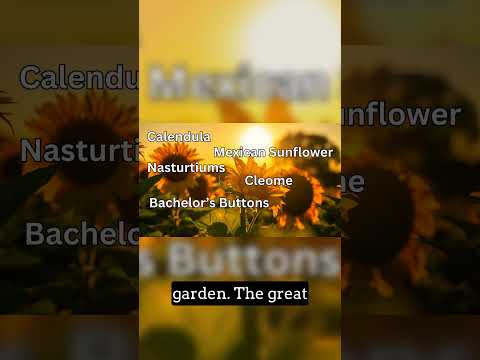
TL;DR: Cultivate a thriving pollinator garden effortlessly using easy-to-grow annuals for continuous blooms and ecosystem support.
- Choose Zinnias for butterflies and drought tolerance.
- Cosmos attract diverse bees with airy blooms.
- Marigolds offer vibrant color and pest control.
- Sunflowers draw bees and birds with abundant nectar.
- Deadhead regularly to encourage more flowers.
Why it matters: Supporting local biodiversity through pollinator-friendly gardening contributes to healthier ecosystems and food production.
Do this next: Start planning your pollinator garden by selecting a few easy annuals to plant this season.
Recommended for: New and experienced gardeners looking to enhance pollinator activity with annual flowers.
Creating a vibrant pollinator garden is an achievable goal, even for those new to gardening, by focusing on easy-to-grow annual plants. These plants complete their life cycle within a single growing season, offering a continuous display of flowers and nectar for beneficial insects. A well-chosen selection of annuals can attract a diverse range of pollinators, including bees, butterflies, and hummingbirds, contributing to local biodiversity and supporting ecosystem health.
One excellent choice is the Zinnia. These cheerful flowers are renowned for their bright, daisy-like blooms that come in a wide array of colors and sizes. Zinnias are particularly attractive to butterflies due to their flat landing pads and abundant nectar. They are also drought-tolerant once established and thrive in full sun, making them a low-maintenance option. Regular deadheading, which involves removing spent flowers, encourages more blooms throughout the season.
Cosmos are another fantastic addition. Their delicate, airy foliage and simple, open flowers provide easy access to pollen and nectar for various bee species and butterflies. Cosmos are available in shades of pink, white, orange, and yellow, adding a soft, whimsical touch to the garden. They prefer full sun and well-drained soil and are known for their resilience and ability to self-seed, potentially returning year after year.
For a splash of vibrant color, Marigolds are an excellent choice. While some varieties can be less appealing to pollinators due to their dense flower heads, single-petal varieties are highly attractive to bees and other small insects. Marigolds are also known for their pest-repelling properties, making them a beneficial companion plant. They are incredibly hardy, tolerate a range of soil conditions, and flourish in full sun.
Sunflower varieties, especially those with single rows of petals, are magnets for bees and birds. Their large, iconic blooms provide a substantial source of nectar and pollen. Sunflowers require full sun and well-drained soil and can grow quite tall, adding a dramatic vertical element to the garden. Beyond their pollinator benefits, their seeds provide food for birds later in the season.
Lantana offers a continuous bloom of small, clustered flowers in various colors, often changing hue as they mature. These plants are particularly favored by butterflies and hummingbirds. Lantana is heat and drought-tolerant, making it ideal for warmer climates and sunny spots. It can be grown as an annual in cooler regions or as a perennial in tropical areas.
Sweet Alyssum is a low-growing, spreading annual that produces a carpet of tiny, fragrant flowers. Its small blooms are perfect for attracting tiny beneficial insects, including hoverflies and small bees. Sweet Alyssum is excellent for filling in gaps, edging beds, or growing in containers. It prefers full sun to partial shade and consistently moist soil.
Nasturtiums are not only beautiful with their vibrant, trumpet-shaped flowers but also offer edible leaves and flowers with a peppery taste. They attract hummingbirds and some bee species. Nasturtiums are relatively easy to grow from seed, preferring full sun and well-drained soil. They can be grown as trailing plants or in bushier forms.
Borage is a lesser-known but highly valuable pollinator plant. Its star-shaped blue flowers are a favorite of bees, particularly honeybees, and it is known to enhance the flavor of nearby fruit and vegetable crops. Borage is an annual that readily self-seeds and thrives in full sun to partial shade. Its leaves are also edible, with a cucumber-like flavor.
Salvia species, particularly annual varieties like 'Victoria Blue' or 'Red Hot Sally', are excellent for attracting hummingbirds and various bee species. Their spiky flower stalks provide a continuous source of nectar. Salvias prefer full sun and well-drained soil and are relatively drought-tolerant once established.
Finally,