Polytunnel Prep: Abundant Spring Harvests Start Now
By Outgrow : The Art & Practice of Self-sufficiency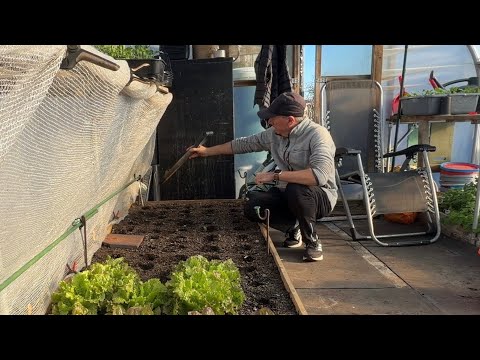
TL;DR: Prepare your polytunnel for abundant spring harvests by clearing, enriching soil, and strategically selecting quick-growing crops.
- Clear spent crops, weeds, and debris to prevent pests.
- Enrich soil with compost or manure for optimal growth.
- Plant salad greens, radishes, and brassicas for early harvests.
- Utilize succession planting for continuous produce supply.
- Grow herbs like parsley and cilantro in the protected environment.
Why it matters: A well-prepared polytunnel and strategic planting plan can significantly boost early spring yields and ensure a steady supply of fresh produce, extending your growing season.
Do this next: Start clearing your polytunnel and enriching the soil for immediate spring planting.
Recommended for: Gardeners with polytunnels seeking to maximize early spring planting and continuous harvests.
The article discusses the process of preparing a polytunnel for a productive spring growing season, emphasizing the benefits of early planting and strategic crop selection. The author highlights the importance of a well-structured replanting plan to maximize yields and ensure a continuous supply of fresh produce.
A key aspect of successful polytunnel management is the initial clearing and preparation of the growing space. This involves removing any spent crops from the previous season, along with weeds and debris. This step is crucial for preventing the carryover of pests and diseases and for creating a clean slate for new plantings. Once cleared, the soil needs attention. The article suggests enriching the soil with organic matter, such as well-rotted compost or manure. This improves soil structure, water retention, and nutrient availability, providing an optimal environment for young plants to thrive. The author also mentions the benefit of incorporating a balanced organic fertilizer to give plants an initial boost.
The article then delves into specific crop recommendations for early spring planting in a polytunnel. Salad greens, such as lettuce, spinach, and rocket, are highlighted as excellent choices due to their quick growth cycle and ability to tolerate cooler temperatures. These can be sown directly into the soil or started in modules for transplanting. Root vegetables like radishes and carrots are also good candidates, as they mature relatively quickly and don't require extensive space. The author also suggests planting brassicas, such as kale and collard greens, which can provide a sustained harvest over several weeks. For a continuous supply, succession planting is recommended, where small batches of seeds are sown every few weeks.
Beyond vegetables, the article touches upon the inclusion of herbs in the polytunnel. Many herbs, like parsley, cilantro, and dill, benefit from the protected environment of a polytunnel, allowing for earlier and more prolific growth. These can be interplanted with vegetables or grown in dedicated sections.
Watering practices are also addressed, with an emphasis on consistent moisture without overwatering. The protected environment of a polytunnel can reduce the frequency of watering compared to outdoor gardens, but regular checks are still necessary, especially for young seedlings. Ventilation is another critical factor, particularly as temperatures begin to rise in late spring. The article advises opening the polytunnel doors and vents on warmer days to prevent overheating and to improve air circulation, which helps deter fungal diseases.
Pest and disease management within the polytunnel is also briefly discussed. The enclosed nature of a polytunnel can sometimes create conditions favorable for certain pests. The article advocates for regular inspection of plants to catch any issues early and suggests using organic pest control methods, such as companion planting or introducing beneficial insects, rather than relying on chemical interventions.
Finally, the article emphasizes the long-term benefits of a well-managed polytunnel, not just for early spring harvests but for extending the growing season throughout the year. By carefully planning and maintaining the polytunnel, growers can achieve a consistent supply of fresh, homegrown produce, contributing significantly to self-sufficiency. The author concludes by reiterating that a little effort in preparation and ongoing care can lead to abundant and rewarding harvests.
Source: youtube.com
Related Analysis
- Farms Build Resilience, Pivot to Regenerative Soil — New initiatives and analysis explicitly frame regenerative agriculture as a direct solution for climate resilience, focu…
- Federal Policy Pivots, Builds Indigenous Agriculture Frameworks — Federal policy trends are integrating Indigenous knowledge with soil science in regenerative agriculture, shifting polic…
Related on PermaNews
- Klima-Resilienz: Fruchtfolge & Zwischenfrüchte im Fokus (Article)
- Permakultur: Kohlenstoff im Boden binden – Praxis-Anleitung (How-To Guide)
- How To Replenish Grow Bags Soil To Rotate Crops Successfully (Video)
- 4-Year Covered Market Gardens: Season Extension Insights (Video)
- Beat the Frost: Gardening Protection Strategies (Video)
- Winter Crops: Seedling to Abundant Harvests (Video)
Explore more in Food Systems & Growing — the full hub for this knowledge area.