Ryland Engelhart: #MAHA & R-Future 2026 Regeneration (Ep. 212)
By Matt Powers - Regenerative Soil & Permaculture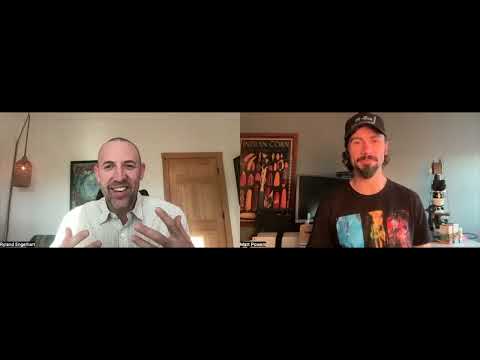
TL;DR: Ryland Engelhart advocates for "Make America Healthy Again" through regenerative practices in food systems, land, and communities, emphasizing soil health and economic benefits.
- Regeneration links societal health to environmental well-being.
- Soil health is fundamental to resilient ecosystems and nutritious food.
- Regenerative agriculture offers long-term economic advantages.
- Urban environments can also adopt regenerative principles.
- #MAHA is a call to action, not just a slogan.
Why it matters: Adopting regenerative practices across agriculture and urban planning can improve human health, create resilient ecosystems, and foster economic growth.
Do this next: Explore local initiatives that promote soil health and regenerative agriculture in your community.
Recommended for: Anyone interested in the interconnectedness of environmental, social, and economic health through regenerative practices, from farmers to urban planners.
In a recent discussion, Ryland Engelhart explored the concept of MAHA, an acronym representing "Make America Healthy Again," and its connection to broader pathways toward regeneration, particularly in the context of the R-Future 2026 initiative. The conversation delved into the idea that societal well-being, encompassing both human and environmental health, is intrinsically linked to the adoption of regenerative practices.
Engelhart emphasized that MAHA is not merely a political slogan but a call to action for a fundamental shift in how we approach food systems, land management, and community development. He highlighted the critical role of soil health as the foundation for this regenerative transformation. By focusing on practices that enhance soil biodiversity, organic matter content, and water retention, we can create more resilient ecosystems and produce more nutrient-dense food. This, in turn, contributes to improved human health, reducing the prevalence of diet-related illnesses and fostering a stronger, more vibrant society.
The discussion also touched upon the economic implications of transitioning to regenerative agriculture. Engelhart argued that while initial investments may be required, the long-term benefits far outweigh the costs. These benefits include reduced input costs for farmers (less reliance on synthetic fertilizers and pesticides), increased crop yields in the face of climate change, and the creation of new economic opportunities in local food systems. He stressed the importance of supporting farmers who are willing to adopt these practices, through education, financial incentives, and market access.
Furthermore, the conversation extended beyond agriculture to encompass a broader vision of regeneration that includes urban environments and community engagement. Engelhart suggested that regenerative principles can be applied to city planning, waste management, and the development of green spaces, fostering healthier and more sustainable urban ecosystems. He underscored the significance of community involvement and education in driving this change, advocating for initiatives that empower individuals to understand and participate in the regenerative movement.
The R-Future 2026 initiative was presented as a framework for accelerating this transition. This initiative aims to bring together diverse stakeholders, including farmers, policymakers, businesses, and consumers, to collaborate on solutions that promote regenerative practices at scale. The goal is to create a collective vision and actionable strategies that can be implemented within a defined timeframe, leading to measurable improvements in environmental health, food security, and community well-being.
Engelhart also addressed the challenges inherent in this transition, acknowledging the need for systemic changes in policy, market structures, and consumer behavior. He emphasized the importance of overcoming resistance to change and fostering a culture of innovation and collaboration. The discussion highlighted the need for clear communication and compelling narratives to inspire widespread adoption of regenerative principles.
In essence, the conversation with Ryland Engelhart painted a comprehensive picture of regeneration as a multifaceted endeavor that requires a holistic approach. From the microscopic world of soil microbes to the macroscopic scale of national policy, every element plays a role in building a healthier, more resilient future. The MAHA concept, when viewed through this regenerative lens, becomes a powerful catalyst for positive change, aiming to restore not just the land, but also the health and vitality of communities across the nation. The R-Future 2026 initiative serves as a beacon, guiding efforts towards a more sustainable and equitable world.