Mastering Canning Tongs: Proper Use for Safe Preservation
By Self Sufficient Homesteading & Gardening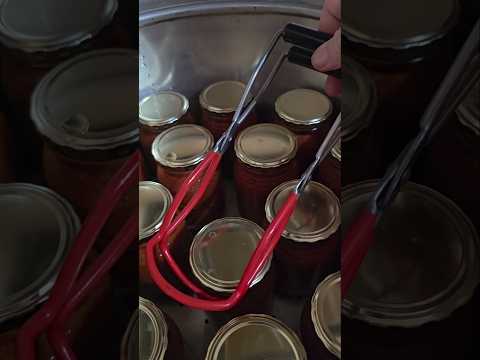
TL;DR: Canning tongs are essential for safely handling hot jars during food preservation, preventing burns and maintaining sterility.
- Canning tongs prevent burns when handling hot jars.
- They maintain sterility by avoiding direct contact.
- Proper grip around the jar neck is crucial.
- Place hot jars on heat-resistant surfaces.
- Avoid thermal shock by not placing on cold surfaces.
Why it matters: Using canning tongs correctly ensures safety, prevents food contamination, and extends the shelf life of preserved foods by maintaining jar integrity.
Do this next: Practice using canning tongs with cool jars to master a secure and gentle grip before working with hot contents.
Recommended for: Home preservers looking to enhance safety and efficiency in their canning process.
Canning tongs are a specialized tool designed to safely handle hot jars during the canning process. Their primary function is to lift hot jars out of boiling water baths or pressure canners without the user having to directly touch the hot glass. This prevents burns and ensures the jars remain sterile and free from contamination.
The design of canning tongs typically features long handles and a gripping mechanism at the end. The gripping mechanism is crucial for securely holding jars of various sizes. It often consists of two curved arms that are shaped to fit around the neck or shoulder of a canning jar. These arms are usually coated with a non-slip material, such as rubber or silicone, to provide a firm grip and prevent the jar from slipping, even when wet. The long handles keep the user's hands a safe distance from the hot water and steam, further reducing the risk of burns.
Proper usage of canning tongs is essential for both safety and effectiveness. When removing jars from a canner, it's important to grasp the jar firmly but gently. The tongs should be positioned around the neck or just below the lid of the jar, ensuring a stable hold. Avoid gripping the jar too tightly, as this could potentially crack the glass, especially if the jar is already hot. Conversely, a loose grip could lead to the jar slipping and breaking, or spilling its contents.
After lifting a jar, it should be carefully transferred to a heat-resistant surface, such as a towel-lined countertop or a cooling rack. It's important to avoid placing hot jars directly on cold surfaces, as the sudden temperature change can cause thermal shock and lead to the jar cracking. The tongs should be used to gently lower the jar onto the surface, rather than dropping it.
Beyond simply lifting jars, canning tongs can also be useful for other tasks in the canning process. They can assist in placing empty jars into the canner, especially when dealing with a full pot of boiling water. Some canners come with racks that have handles, but for those that don't, tongs can be a valuable aid. They can also be used to retrieve lids and rings from hot water, though a magnetic lid lifter is often preferred for this specific task due to its ability to pick up individual lids without touching the hot water.
Maintaining canning tongs is relatively straightforward. After each use, they should be washed with soap and water, then thoroughly dried to prevent rust, especially if they are made of metal. Inspecting the non-slip coating periodically for wear and tear is also a good practice. If the coating becomes damaged or starts to peel, it might be time to replace the tongs to ensure a secure grip.
In summary, canning tongs are an indispensable tool for anyone involved in home canning. Their design prioritizes safety and efficiency, allowing for the secure handling of hot jars. Correct usage, including proper gripping and careful transfer, is paramount to prevent accidents and ensure the integrity of the canned goods. Regular maintenance further extends the lifespan and effectiveness of this crucial piece of canning equipment.