Rainwater Harvesting 101 | Your How-To Collect Rainwater Guide
PermaNews Brief
Key Takeaways
Learn how to effectively collect and use rainwater with essential hardware components.
- Use roofs as catchment surfaces
- Implement effective debris control methods
- Choose suitable rainwater storage tanks
- Utilize pump systems for irrigation
- Monitor water levels for optimal use
Why It Matters
Rainwater harvesting reduces reliance on municipal sources and promotes sustainability.
What to Do Next
Assess your roof and choose appropriate harvesting equipment.
Permaculture Context
For permaculture designers and homesteaders, a well-sequenced rainwater system is not simply a water supply upgrade — it is a foundational step toward genuine site sovereignty. What this kind of practical hardware guidance makes clear is that the barrier to implementation is rarely technical complexity; it is the absence of a clear mental map of how components relate to one another in sequence. Once you understand that capture, filtration, first-flush diversion, storage, pest exclusion, and distribution form a logical chain rather than a list of optional accessories, the whole system becomes designable at the household scale without professional engineering support. For practitioners working within regenerative frameworks, this matters because water independence directly reduces a homestead's vulnerability to municipal supply disruptions, drought-driven restrictions, and the hidden costs of treated water used on food-producing land. It also closes a nutrient and hydrological loop — rainwater kept on-site recharges soil moisture, reduces runoff, and supports the kind of deep perennial root systems that regenerative systems depend on. Getting the hardware right the first time means fewer retrofits and a system that quietly serves the land for years.
Recommended for: Homeowners interested in sustainable living and water conservation.
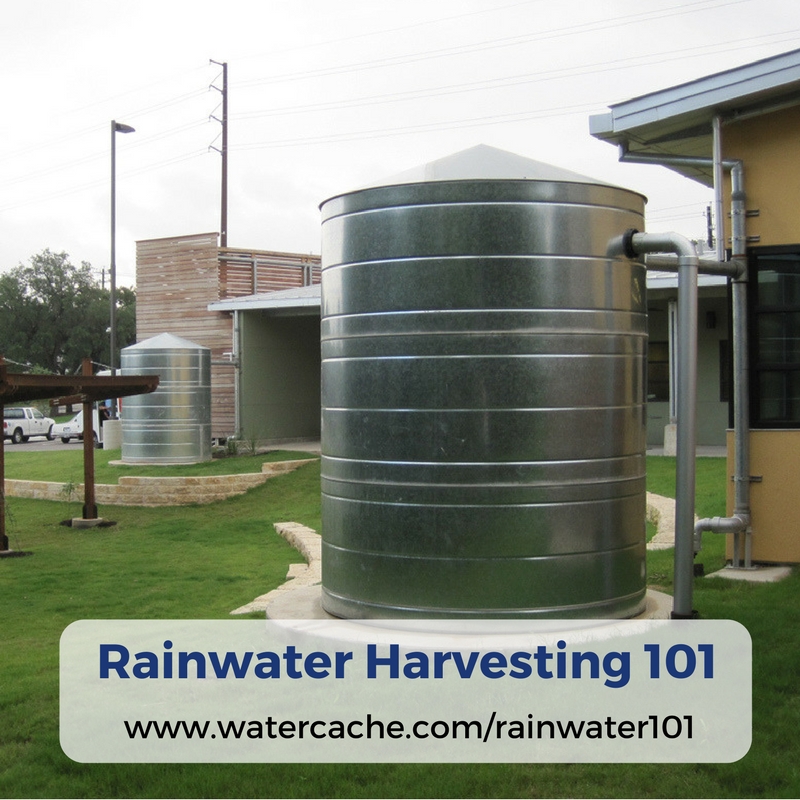
This guide is a more actionable how-to resource focused on the main hardware elements of a household rainwater harvesting system. It begins with the roof as the primary catchment surface and explains that nearly all roof surfaces can be used, then moves step by step through debris control, screening, and pre-treatment. Specific components include gutter protection screening, rain heads or downspout filters, first-flush diverters, tank screens, and insect-proof flap valves on overflow lines. The article also addresses storage and system operation, noting that rainwater tanks come in multiple sizes and materials, and that an auto-fill feature can be used to keep a minimum volume in the tank so irrigation pumps do not run dry. It further covers pressure delivery through pump systems, inline irrigation filtration after pumping, and water level indicators for monitoring use. The practical value here is the system-level sequencing: capture, screen, divert the first flush, store, protect against pests, maintain minimum volume, and distribute through pumped irrigation where needed. For someone designing a modest residential or self-sufficiency-focused setup, this gives a compact checklist of components that matter in real installations. The article is less about formal calculations or regulatory compliance and more about equipment selection and functional design, but it does contain concrete implementation details that can be directly applied to a small rainwater system.
Source: watercache.com
Related Analysis
- Second-Life EV Batteries Replace Costlier Storage in Off-Grid Sites — Several sources suggest repurposed EV batteries can cut stationary storage costs and carbon footprints, with early signa…
- Passive Water Harvesting Moves From Niche to Replicable Model — Early case studies from Tucson and Germany's Beckower Ökodorf suggest passive water harvesting can scale within permacul…
Related on PermaNews
- Berlins schwimmende Gärten: Permakultur auf dem Wasser (Case Study)
- Finca Bellavista: Costa Rica's 200-Acre Water System Innovation (Case Study)
- Priya's 2024 India Report: 10-Hectare Water Harvesting Success (Case Study)
- Holmgren's 40 Yrs: Abundant Permaculture Design Webinar 3 (Video)
- Water Cycle Restoration Research: Indigenous Wisdom Meets Permaculture (Article)
- The Importance of Harvesting Rainwater for Conservation (Video)
Explore more in Water, Climate & Adaptation — the full hub for this knowledge area.