Nairobi's Ubuntu Urban Farming: 2050 Food Visionaries
By Emily Payne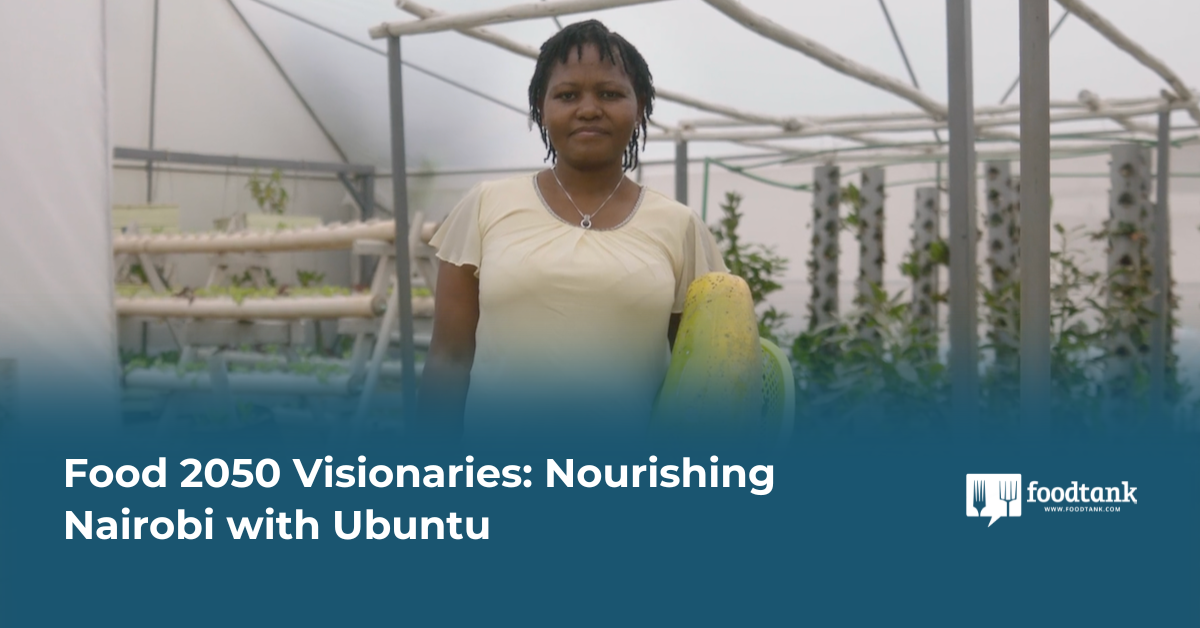
TL;DR: Nairobi’s urban farming initiatives are using the Ubuntu philosophy to boost food security, nutrition, and community well-being through interconnected, localized food production.
- Ubuntu philosophy supports urban farm initiatives.
- Nairobi addresses food security and nutrition.
- Urban farms uplift communities, restore dignity.
- Local food shortens supply chains, reduces waste.
- Projects offer skill development, income generation.
Why it matters: Urbanization strains traditional food systems, leading to food insecurity. Localized urban farming offers a sustainable solution, fostering community resilience and providing fresh, accessible produce.
Do this next: Research local urban farming or community garden projects in your area and consider volunteering or participating.
Recommended for: Urban planners, community organizers, and individuals interested in sustainable food systems and social upliftment.
The concept of "Ubuntu," which emphasizes interconnectedness and community, is being applied to urban farming initiatives in Nairobi, Kenya, with the aim of addressing food security, improving nutrition, and fostering social well-being. This approach views food production within city limits not merely as a means to cultivate crops, but as a holistic strategy to uplift communities and restore a sense of dignity among residents.
Nairobi, like many rapidly urbanizing centers globally, faces significant challenges related to food access and nutritional deficiencies, particularly among its low-income populations. Traditional food systems often struggle to keep pace with population growth, leading to reliance on distant, often expensive, and sometimes less nutritious food sources. Urban farming, in this context, offers a localized solution that can shorten supply chains, reduce food waste, and provide fresher produce directly to consumers.
Beyond the immediate benefit of food production, these urban farming projects are designed to empower individuals and groups. They provide opportunities for skill development in agriculture, which can lead to increased self-sufficiency and potential income generation. For many participants, particularly those who have faced economic hardship or social marginalization, engaging in food cultivation can be a source of renewed purpose and a way to contribute meaningfully to their households and neighborhoods.
The "Ubuntu" philosophy is central to how these initiatives are structured and operated. It encourages collaborative efforts, where knowledge and resources are shared among participants. This communal approach helps to build stronger social networks and a sense of collective responsibility for food production and distribution. For instance, community gardens might be managed collectively, with harvests shared among those who contribute their labor. This fosters a spirit of mutual support and reduces individual burdens, making farming more accessible to a wider range of people.
Furthermore, these urban farming efforts are often integrated with broader community development goals. They can serve as platforms for education on healthy eating and sustainable practices, promoting a greater understanding of the link between food, health, and the environment. By involving children and youth, these programs also aim to instill a sense of environmental stewardship and an appreciation for where food comes from, potentially inspiring future generations to engage in sustainable agriculture.
The impact extends to the nutritional well-being of the community. By growing a diverse range of fruits and vegetables locally, residents have access to a wider array of fresh, nutrient-rich foods that might otherwise be unaffordable or unavailable. This direct access can significantly improve dietary diversity and address micronutrient deficiencies prevalent in some urban populations. The emphasis on organic or sustainable farming methods within these projects also contributes to healthier food options, free from harmful pesticides and chemicals.
In essence, the urban farming movement in Nairobi, guided by the principles of Ubuntu, represents a multifaceted approach to urban sustainability. It addresses the practical need for food, while simultaneously nurturing social cohesion, economic empowerment, and environmental responsibility. It’s a vision for a future where cities are not just consumers of food, but also active producers, fostering resilient and thriving communities from the ground up.