Winter Pork: Self-Sufficient Deep Litter Pig Farming
By Justin Rhodes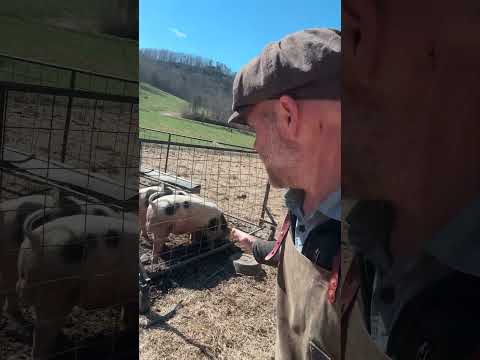
TL;DR: Winter pig farming using deep litter and mobile housing offers a sustainable way to produce pork while enhancing soil fertility.
- Raise pigs in winter with deep litter for warmth and waste management.
- Utilize mobile housing for rotational foraging and land improvement.
- Supplement pig diets with stored feed during reduced winter foraging.
- Composted deep litter enriches soil for gardens and agriculture.
- Integrate pigs into a broader permaculture system for nutrient cycling.
Why it matters: This method provides a practical approach to year-round meat production, reduces reliance on external feed, and contributes to soil health through natural composting processes.
Do this next: Explore deep litter materials like wood chips, straw, or leaves for your pig housing.
Recommended for: Farmers, homesteaders, and permaculture enthusiasts interested in sustainable meat production and integrated farm systems.
The article details a method for raising pigs for meat, specifically adapted for winter conditions, as an alternative to purchasing pork. The core of this approach involves a system designed to keep the pigs healthy and comfortable during colder months while also integrating them into a broader permaculture system.
A key element of this winter pig-raising strategy is the use of a deep litter system within their housing. This involves continuously adding fresh bedding material, such as wood chips, straw, or leaves, on top of soiled bedding. Over time, this creates a thick, absorbent layer that insulates the pigs from the cold ground, absorbs moisture and odors, and facilitates the decomposition of waste. The decomposition process generates a small amount of heat, further contributing to the pigs' warmth. This deep litter, once fully composted, becomes a rich, nutrient-dense soil amendment that can be used in gardens or other agricultural applications, effectively closing a nutrient loop within the farm system.
The housing structure itself is designed to be mobile, allowing for rotational grazing and strategic placement. This mobility is crucial for several reasons. Firstly, it prevents the over-compaction and degradation of any single area of land. Secondly, it allows the pigs to be moved to different sections of the property, where they can forage for food, clear brush, or prepare garden beds. The article emphasizes the importance of providing adequate shelter from wind and precipitation, even with the deep litter system, to ensure the pigs' well-being during harsh winter weather.
The pigs' diet is a significant aspect of this self-sufficiency model. While they are provided with a base feed, a substantial portion of their nutrition comes from foraging and supplemental food sources. During winter, foraging opportunities are reduced, so the article highlights the importance of providing stored feed, such as hay, root crops, or even surplus garden produce. The pigs are also fed kitchen scraps and other organic waste, further reducing food waste and integrating them into a circular food system. This diverse diet not only contributes to their health but also influences the flavor and quality of the meat.
Water access is another critical consideration, especially in freezing temperatures. The article describes methods for ensuring a continuous supply of unfrozen water, which might involve insulated water troughs, heated waterers, or frequent manual refilling. Dehydration can quickly become a serious issue for livestock in winter, so consistent access to fresh water is paramount.
The overall philosophy behind this winter pig-raising method aligns with permaculture principles. It aims to create a resilient, self-sustaining system where the pigs contribute to the health of the land rather than detracting from it. Their rooting behavior can be utilized to turn over soil, control weeds, and prepare ground for planting. Their manure, when properly managed through the deep litter system, enriches the soil. By raising their own pork, the individuals gain control over the animals' diet, living conditions, and ultimately, the quality of the meat they consume, offering a more ethical and sustainable alternative to commercially produced pork. The winter adaptation ensures that this self-sufficiency can be maintained year-round, even in challenging climatic conditions.