Permaculture Project Software for Farmers & Designers
By Permaculture Institute of North America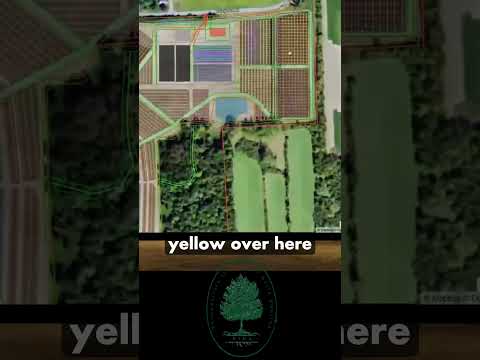
TL;DR: A new software tool assists permaculture designers, farmers, and landscape professionals with site analysis, project planning, and ongoing management.
- Software streamlines permaculture design processes.
- Input environmental data for comprehensive site analysis.
- Design module offers vast library of permaculture elements.
- Simulate plant growth and interactions over time.
- Analyze and design water harvesting techniques.
Why it matters: This innovation can significantly reduce the complexity of permaculture design, making it more accessible and efficient for both seasoned experts and newcomers.
Do this next: Explore the software to see how its site analysis and design modules can improve your project planning.
Recommended for: Anyone involved in permaculture, farming, or landscape design seeking innovative tools to enhance project efficiency and outcomes.
A new software program has been developed to assist permaculturists, farmers, and landscape professionals in designing and managing their projects. This innovative tool aims to streamline the complex processes involved in permaculture design, from initial planning and analysis to implementation and ongoing maintenance. The software is designed to be user-friendly, catering to both experienced practitioners and those new to permaculture principles.
One of the core functionalities of the program is its ability to facilitate detailed site analysis. Users can input various environmental data points, including topography, soil composition, water flow, sunlight exposure, and existing vegetation. The software then processes this information to generate comprehensive reports and visual representations, such as contour maps and sun path diagrams. This analytical capability helps designers understand the unique characteristics of a site, enabling them to make informed decisions about plant placement, water harvesting strategies, and infrastructure development.
The program also offers a robust design module where users can virtually lay out their permaculture systems. It includes a vast library of plants, trees, and other elements commonly used in permaculture, each with associated characteristics like water requirements, mature size, and beneficial interactions with other species. Users can drag and drop these elements onto their site plan, experimenting with different configurations to optimize functionality and biodiversity. The software can also simulate the growth and interaction of these elements over time, providing a dynamic view of how the design might evolve.
Water management is another key area addressed by the software. It allows for the design and analysis of various water harvesting techniques, such as swales, rain gardens, and ponds. Users can model water flow across their site, predict runoff patterns, and calculate the capacity needed for water storage. This feature is particularly valuable for creating resilient systems that can withstand varying weather conditions and reduce reliance on external water sources.
Furthermore, the software incorporates features for managing resources and materials. Users can track the quantities of soil amendments, mulches, and other inputs required for their projects, helping them to budget effectively and minimize waste. The program can also generate lists of necessary tools and equipment, further aiding in project planning and execution.
For professionals, the software offers tools for client management and project documentation. Designers can create detailed proposals, generate professional-looking reports, and maintain records of all design decisions and modifications. This comprehensive documentation capability can improve communication with clients and ensure that projects are executed according to plan.
The developers emphasize that the software is not intended to replace human expertise but rather to augment it. It serves as a powerful assistant, providing data-driven insights and visualization tools that can enhance the design process. By automating many of the tedious calculations and drawing tasks, it frees up designers to focus on creative problem-solving and the application of permaculture ethics.
The program is expected to be a valuable asset for a wide range of users, from individual gardeners looking to implement permaculture principles in their backyards to large-scale agricultural operations seeking to optimize their land use. Its comprehensive features and user-friendly interface aim to make permaculture design more accessible, efficient, and effective for everyone.