Optimize Korean Bush Cherry: Winter Pruning Guide
By Great Escape Farms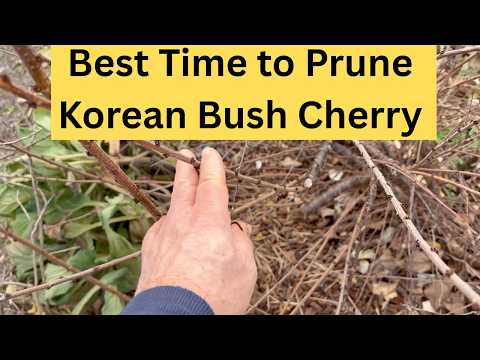
TL;DR: Pruning a Korean Bush Cherry in winter promotes health, fruit production, and an attractive shape for this manageable shrub.
- Prune in late winter or early spring before buds swell.
- Remove dead, diseased, or rubbing branches first.
- Improve air circulation by thinning inward growth.
- Use sharp, clean bypass pruners and loppers.
- Maintain a manageable size of 6-8 feet tall and wide at maturity.
Why it matters: Proper winter pruning of a Korean Bush Cherry prevents disease, increases fruit yield, and maintains a desirable plant structure year-round.
Do this next: Gather your sharp, clean pruning tools in preparation for late winter dormant pruning.
Recommended for: Home gardeners and permaculture enthusiasts keen on optimizing fruit shrub health and yield.
Winter pruning a Korean Bush Cherry is a straightforward process that can significantly benefit the plant's health, productivity, and aesthetic appeal. This deciduous shrub, known for its tart, flavorful cherries, typically grows to a manageable size of 6-8 feet tall and wide, making it suitable for various garden settings. The ideal time for pruning is during its dormant period, specifically in late winter or early spring, before the buds begin to swell. Pruning at this time minimizes stress on the plant and allows for a clear view of its structure without the obstruction of leaves.
The primary goals of pruning a Korean Bush Cherry are to maintain its shape, encourage new growth, improve air circulation, and remove any dead, diseased, or damaged wood. Before beginning, it's crucial to ensure your pruning tools, such as bypass pruners for smaller branches and loppers for thicker ones, are sharp and clean. This prevents jagged cuts that can invite disease and makes the task easier.
The first step in the pruning process is to identify and remove any dead, dying, or diseased branches. These can be recognized by their discolored, brittle appearance or the presence of cankers or other abnormalities. Cutting these back to healthy wood prevents the spread of disease and redirects the plant's energy to more productive parts. Similarly, any branches that are rubbing against each other should be addressed. When two branches rub, they create wounds that are susceptible to pests and diseases. It's best to remove the weaker or less ideally positioned of the two.
Next, focus on improving the overall structure and air circulation within the plant. Korean Bush Cherries can become quite dense, which can hinder light penetration and air movement, leading to increased humidity and a higher risk of fungal diseases. To counteract this, selectively remove some of the inward-growing branches or those that are crossing over others. The aim is to open up the canopy, allowing sunlight to reach all parts of the plant and promoting better air flow. When making these cuts, always prune back to a main branch, a side branch, or an outward-facing bud. This encourages growth in the desired direction and maintains a natural, attractive shape.
Suckers, which are shoots that emerge from the base of the plant or from the rootstock, should also be removed. These suckers often grow vigorously and can divert energy from the main plant, reducing fruit production. Cut them back as close to their point of origin as possible. Similarly, water sprouts, which are fast-growing, vertical shoots that appear on older branches, should be removed. While a few can be left to potentially develop into fruiting wood, a large number can indicate excessive pruning or stress.
Finally, consider the overall size and shape of the bush. If the plant has become too large or unruly, you can reduce its height and spread by cutting back some of the longest branches. When doing so, aim to maintain a balanced and aesthetically pleasing form. Avoid removing more than 25-30% of the plant's total mass in a single pruning session, as excessive pruning can stress the plant and reduce fruit yield in the following season. Regular, lighter pruning each winter is generally more beneficial than infrequent, heavy pruning. After pruning, it's a good practice to clean up any fallen branches and debris from around the base of the plant to further reduce the risk of disease and pest harborage.
Source: youtube.com
Related Analysis
- Farmers Convert Six Weeks of Rhubarb Into 25-Year Supply — Initial signals suggest a rhubarb preservation technique can extend a brief seasonal harvest into 25 years of storage—a …
- Compost Builds Soil Microbiomes—But Human Waste Divides Practitioners — A small but consistent set of signals indicates composting's soil benefits are well-documented, while human-waste compos…
Related on PermaNews
- Aloe Vera: Free Grapevine Rooting Hormone DIY (Video)
- April Harvest: The Unknown Edible Shrub for Your Food Forest (Video)
- 4 Pflanzen, 620 kg Tomaten: Permakultur-Erfolg! (Video)
- Famine Food: 60-Day Crop Beats Rice - Easy, Nutritious (Video)
- Gärten klimafest machen: Naturschutz durch Resilienz (Article)
- 20-Day Compost: Fast Permaculture Gardening Hack (Video)
Explore more in Food Systems & Growing — the full hub for this knowledge area.